"Craving jjajangmyeon but worried about diabetes?" Drink this before you eat and stop worrying about blood sugar [Health Issue]
- Input
- 2026-01-23 07:30:55
- Updated
- 2026-01-23 07:30:55
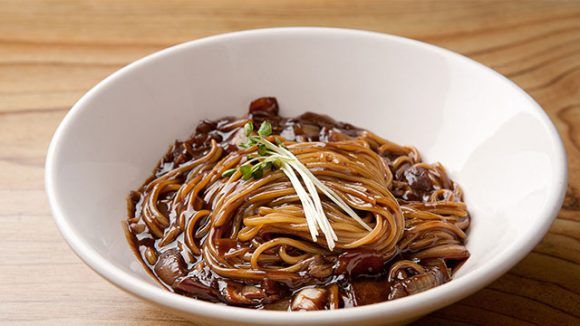
[The Financial News] Even though noodles have a lower glycemic index than rice, they still tend to cause a rapid spike in blood sugar. Experts now say that drinking unsweetened soy milk before a meal can help control blood sugar levels.
Pharmacist Kim Sun-young recently appeared on the health YouTube channel "Taste of Knowledge" and explained that to reduce blood sugar spikes in people with diabetes, they should focus on "pre-meal protein intake."
A single packet of instant ramen contains about 500 kcal, and more than 80 g of carbohydrates, which is more than a bowl of rice. If you add rice on top of that, you exceed your recommended daily carbohydrate intake in one meal, which can be a heavy burden for people with diabetes.
Kim said, "When you eat out, there is usually a 15–20 minute wait between ordering and when the food actually arrives. If you drink unsweetened soy milk during that time, the rise in blood sugar after the meal can be more gradual, even if you eat the same amount of carbohydrates." She added, "It is easy to find at convenience stores and supermarkets, and the small pack size makes it convenient to carry around."
Combining protein with vegetables is also recommended. Having protein before a meal slows the rate at which food leaves the stomach and triggers hormone responses related to insulin secretion. As a result, the carbohydrates that come in afterward are less likely to be absorbed all at once and too quickly.
In a study of patients with type 2 diabetes, those who consumed 50 g of whey protein 30 minutes before a meal had post-meal blood sugar levels that were on average 28% lower, and their insulin response remained more stable. Although this study used whey protein, unsweetened soy milk was suggested as a practical alternative, since plant-based proteins can work through a similar mechanism.
Eating onions together with such meals is also beneficial. According to the Rural Development Administration (RDA), onions are more than 90% water, yet they are rich in health-promoting compounds. Key examples include quercetin, chromium, allicin, and glutathione. These substances help prevent inflammatory reactions after eating greasy foods and reduce cholesterol buildup in the blood vessels.
Quercetin is a type of polyphenol with antioxidant properties that supports insulin action and helps stabilize blood sugar. It is particularly useful for people who are concerned about diabetes.
Chunjang, the main ingredient in jjajangmyeon, is a fermented soybean paste with a deep flavor but a high sodium content. The noodles, oil, meat, and starchy sauce used in jjajangmyeon are also relatively high in carbohydrates and fat.
Eating onions on the side can help prevent a rapid spike in blood sugar and reduce the absorption of cholesterol that may accumulate in the blood vessels due to greasy foods.
moon@fnnews.com Moon Young-jin Reporter