"Don't Give Up Bread Just Because You're Dieting": Experts Share Tips for Eating Bread While Losing Weight [Health Talk]
- Input
- 2026-01-22 10:45:00
- Updated
- 2026-01-22 10:45:00
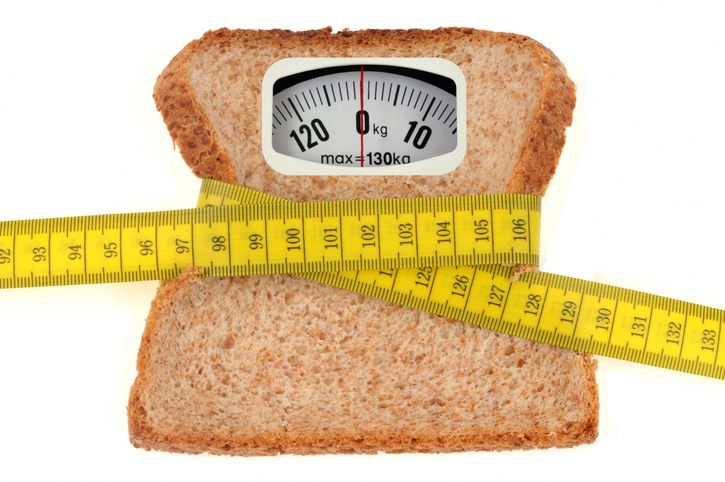
[The Financial News] Experts are drawing attention with the view that even people who have given up bread for the sake of dieting can still eat it while trying to lose weight.
Simply freezing bread and then thawing it can slow the rate at which blood sugar rises.
On the 21st (local time), the British daily newspaper Daily Mail ran an article titled "How to Eat Carbs Without Gaining Weight," introducing experts’ tips on how to enjoy bread and pasta in a healthier way.
The method suggested by nutrition experts is simple: freeze white bread and then eat it after thawing. They added that merely changing the way bread is stored can help blunt sharp spikes in blood sugar. The same principle applies to pasta and rice.
What makes white bread fattening is its refined carbohydrates. These are grains that have gone through ultra-processing to remove fiber and other essential nutrients. They cause blood sugar levels to rise rapidly, placing a burden on the pancreas and triggering excessive insulin secretion, which can lead to diabetes and other problems.
Because white bread and other refined grains are low in fiber, they pass quickly through the digestive tract and do not keep you full. As a result, people tend to eat more food in a short period of time.
Experts say the situation changes when bread is frozen and then eaten after thawing, a phenomenon known as "retrogradation." When bread is baked, its starch structure becomes soft, but as it cools and is frozen, it hardens again. During this process, some of the starch is converted into "resistant starch," which is more difficult to digest.
Resistant starch is not rapidly broken down in the small intestine, so it slows the rise in blood sugar. It acts in a way similar to dietary fiber, helping you feel full for longer and easing sudden surges in insulin.
In fact, freshly baked white bread contains about 0.5% to 1.7% resistant starch by weight, but studies have found that this can increase to 1% to 3% after the bread is cooled or frozen and then thawed.
Don’t over-rely on it... Eat less overall and choose whole-grain bread when possible
The effect has been demonstrated in research. A study published in 2024 in the journal Nature Metabolism reported that people who consumed resistant starch for about eight weeks lost 6 pounds (about 2.7 kilograms) more than those in the control group.
However, experts warn that you should not place blind faith in frozen bread alone.
Avery Zenker, a Canadian registered dietitian and medical writer, told HuffPost, "If it’s hard to give up bread completely, freezing it and eating it later can be a realistic alternative." She added, "Because the benefits of resistant starch are modest, it is still important to eat bread in moderation. If possible, it’s better to choose whole-grain bread."
y27k@fnnews.com Seo Yoon-kyung Reporter