"If You Binge on It Because It’s ‘Good,’ Your Gut Could Get Blocked"... The Dieters’ Favorite Food, What Is It? [Health Talk]
- Input
- 2026-01-22 05:40:00
- Updated
- 2026-01-22 05:40:00
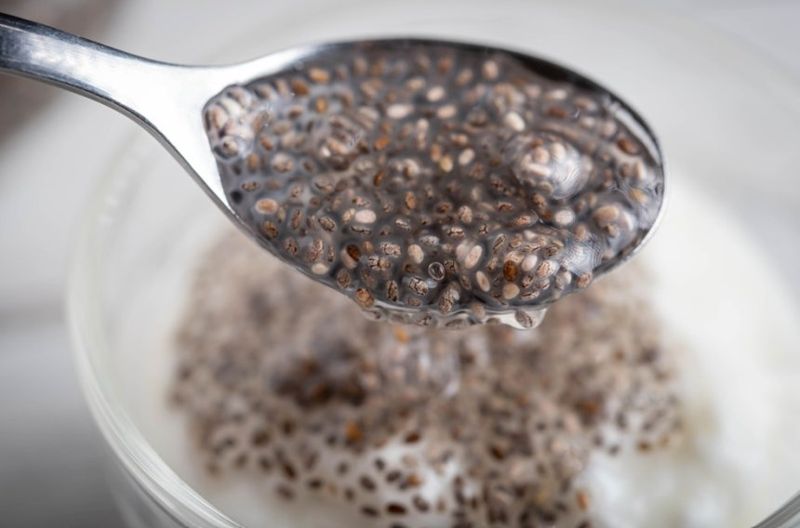
[Financial News] Chia seeds have recently gained popularity as a health food, but experts warn that overconsumption may cause adverse effects. They are packed with dietary fiber and various nutrients that are beneficial for health management, yet if you fail to control your intake, they can end up doing more harm than good.
According to data from the United States Department of Agriculture (USDA), 100 grams of chia seeds, which are the seeds of the plant Chia (Salvia hispanica) that grows in regions such as Mexico and Guatemala, contain 34 grams of dietary fiber, 16 grams of protein, and 631 milligrams of calcium. In particular, their fiber content is about 39 times higher than that of white rice. They are also rich in protein and calcium, which help build muscle and support bone health. In addition, they contain magnesium, manganese, phosphorus, and Omega-3 fatty acid, which contribute to cardiovascular health, while the antioxidant polyphenol is effective in slowing aging.
However, it is essential to control how much you eat. Chia seeds are relatively high in calories, at about 486 kcal per 100 grams, and their high fiber content means that excessive intake can lead to abdominal pain, diarrhea, and bloating. In severe cases, there is a persistent risk of intestinal obstruction. In fact, a case was reported in 2017 in which chia seeds expanded in a patient’s esophagus, sending the person to the emergency room.
You also need to drink enough water. Because chia seeds absorb water and expand, eating them without liquid can cause them to clump inside the body, potentially leading to digestive problems or intestinal obstruction. It is recommended to soak them in water, smoothies, or yogurt for about 15–20 minutes before consumption, and to limit daily intake to no more than 2–3 tablespoons (25–37 grams). People with poor digestive function, or those taking an anticoagulant for conditions such as Venous thrombosis or Cerebral infarction, should avoid chia seeds, as their abundant Omega-3 fatty acid content can thin the blood.
hsg@fnnews.com Han Seung-gon Reporter