[Editorial] Looming Atlantic Ocean Trade War Clouds, Export Front Lines on High Alert
- Input
- 2026-01-19 18:05:03
- Updated
- 2026-01-19 18:05:03
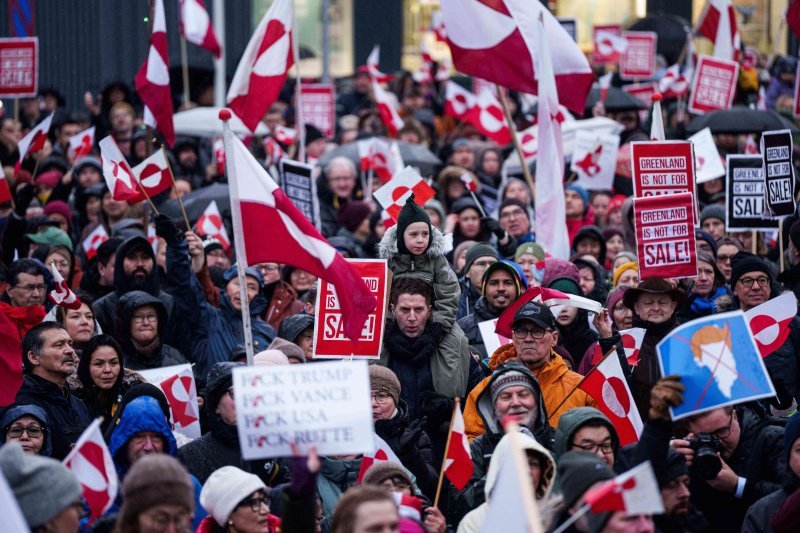
Of course, the likelihood of a full-scale confrontation between the U.S. and the EU is low. Europe remains heavily dependent on U.S. security support within the North Atlantic Treaty Organization (NATO) framework and in the war in Ukraine, so there is still a strong possibility that outright military conflict will be avoided. Even trade retaliation cannot be undertaken lightly, given the EU’s reliance on exports to the U.S. and its vulnerabilities in finance and digital services.
Nevertheless, it is true that the severity of Trump’s pressure has ignited stronger cohesion within the EU. Even if it does not escalate into an all-out clash, the risk has grown that trade across the Atlantic Ocean will tighten and that the global trading environment will be negatively affected.
Rising tensions in the Atlantic Ocean region could inflict considerable damage on South Korea. The specific risks facing the country are multilayered. A tariff war between the U.S. and the EU could weaken South Korea’s export competitiveness in both markets. For key export items such as semiconductors, automobiles, and batteries, if Washington and Brussels each tighten their own trade regulations, South Korea will inevitably be hit with a double burden. In recent years, South Korea has increased its exports to the U.S. in an effort to reduce its dependence on the Chinese market. At the same time, it has worked to expand its presence in the EU as part of a broader strategy to diversify global exports. If tensions across the Atlantic Ocean intensify, however, it is almost certain that South Korea will suffer setbacks in both of its major export markets, the U.S. and the EU.
Even more worrisome is the accumulation of geopolitical uncertainty. On top of the Russia–Ukraine war and conflicts in the Middle East, the world now faces a looming crisis across the Atlantic Ocean. Moreover, the Atlantic Ocean crisis triggered in Greenland may appear on the surface to be a dispute over territory and tariff retaliation, but in essence it signals a rift within the Western alliance that has underpinned the postwar international order. Fundamentally, it could mark a historic turning point in which the foundations of that order begin to shake. This goes beyond a simple trade spat and foreshadows a reconfiguration of the global security architecture. The security environment surrounding the Korean Peninsula cannot remain unaffected by such macro-level shifts.
The government must closely monitor how the U.S.–EU trade conflict unfolds and develop concrete, scenario-based response plans for potential contingencies. It should quickly activate trade channels with both sides to minimize damage to South Korean companies through diplomatic efforts, while also expediting a review of the country’s export diversification strategy. Businesses, for their part, must move preemptively to respond to possible supply chain realignments and market contractions stemming from U.S.–EU tensions.
The Atlantic Ocean crisis sparked by the Greenland situation is a warning shot for a reordering of the global system. This clash may be patched up temporarily, but the likelihood that similar conflicts will recur is high. Accordingly, as South Korea crafts its strategy for dealing with the current U.S.–EU dispute, it must adopt a medium- to long-term perspective aimed at fundamentally enhancing the competitiveness of its economy.