Is the EU Stepping Back? Likely to Seek Negotiations With Trump Rather Than Tit-for-Tat Retaliation
- Input
- 2026-01-19 10:59:14
- Updated
- 2026-01-19 10:59:14
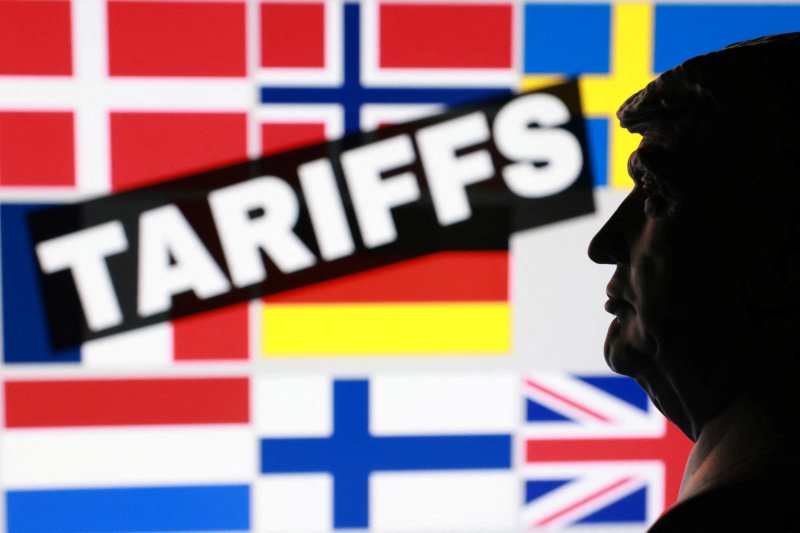
[The Financial News] After US President Donald John Trump announced that he would impose tariffs starting next month on European countries that have deployed troops to Greenland, a territory of Denmark, the European Union (EU), which had warned of tit-for-tat retaliation, now appears to be stepping back.
On the 18th (local time), foreign media including Euronews and The New York Times (NYT) reported that, at an emergency meeting of EU ambassadors held in Brussels, Kingdom of Belgium, to discuss the Greenland issue, EU member states backed away from triggering the Anti-Coercion Instrument (ACI) — a measure dubbed a “bazooka” that would have imposed tariffs of about 93 billion euros (approximately 107.7 billion dollars, 159 trillion won) on imports from the United States — and instead decided to prioritize a diplomatic resolution, including negotiations.
According to diplomatic sources, a wide range of issues was discussed at the meeting, including the possible activation of the ACI, but there was no vote on any specific option.
On the 17th, President Trump stated via social media that, starting next month, he would impose an additional 10% tariff on imports from eight European countries that have sent military personnel to Greenland, and that if the United States of America (US) fails to take over Greenland by June 1, the tariff rate would be raised to 25%.
The European Union (EU) had prepared the Anti-Coercion Instrument (ACI) last year in case talks on tariffs with the United States collapsed just before an agreement was reached, but it has not yet put the measure into effect.
Last summer, the two sides agreed that the United States would impose a 15% tariff on imports from the EU, while a significant number of US products would be exempt from tariffs.
NYT pointed out that if the EU were to trigger the ACI, which is even stronger than imposing retaliatory tariffs, it could extend to restricting the activities of US companies in Europe, raising the risk of further escalation in trade tensions.
[email protected] Yoon Jae-joon Reporter