UK’s BBC spotlights Korea’s ‘Young Forty’... “People who try too hard to look young”
- Input
- 2026-01-18 13:37:51
- Updated
- 2026-01-18 13:37:51
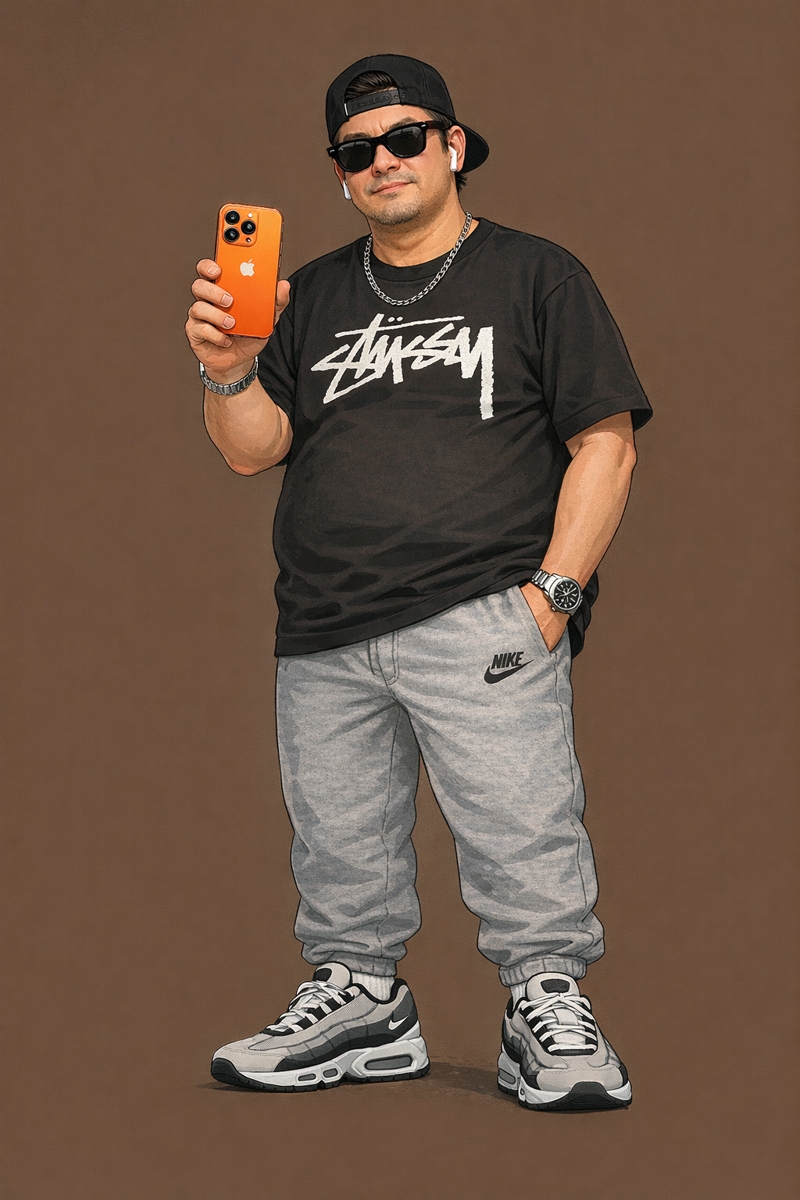
On the 18th, the BBC, citing interviews with domestic Generation Z (Gen Z), defined Young Forty as “people who try too hard to look young” and “people who refuse to accept that time has passed.” Highlighting symbols associated with Young Forty—such as Stüssy T-shirts, Nike sneakers, and the iPhone 17—it added, “In the Republic of Korea, Apple’s market share has fallen by 4% among Gen Z, while it has risen by 12% among people in their 40s.”
The BBC pointed to young people’s backlash against the Republic of Korea’s uniquely strict age-based hierarchy as the backdrop for the popularity of Young Forty memes. It noted that “in the Republic of Korea, even a one-year age difference can serve as the basis for a social hierarchy, and people ask each other’s age first, even when they meet for the first time, before deciding how to behave.” The outlet analyzed Young Forty as “a phenomenon that shows growing skepticism among the Republic of Korea’s younger generation toward the almost obligatory respect demanded for older people.” In the past, Kkondae (a Korean slang term for a condescending, authoritarian older person) was used to disparage authoritarian older generations, but now Young Forty is said to be taking its place.
In fact, according to the online analytics platform Sometrend, Young Forty was mentioned more than 100,000 times online last year, and more than half of those mentions appeared in negative contexts, using words such as “old” and “disgusting.”
The BBC also pointed out that the term “Sweet Young 40” has emerged to mock middle-aged men who hit on young women. Some analysts further argue that the expression is used by Gen Z—who are pushed into fierce competition and struggle to find stable jobs or buy homes—to satirize the middle-aged generation that found employment more easily and accumulated wealth during the high-growth years.
However, some say that Young Forty has become a “sandwich” generation, squeezed between Gen Z and older generations. Sung Youl Gi, who turned 41 this year, told the BBC, “The previous generation was one that simply followed orders from their superiors, but the generations after us are the ones who ask, ‘Why do we have to do it that way?’” He added, “Having experienced both cultures, we feel stuck in the middle.”
[email protected] Chaewan Hong Reporter