Will Soaring Power Bills Driven by the AI Boom Hamper Republicans in the U.S. Midterm Elections?
- Input
- 2026-01-18 06:46:29
- Updated
- 2026-01-18 06:46:29
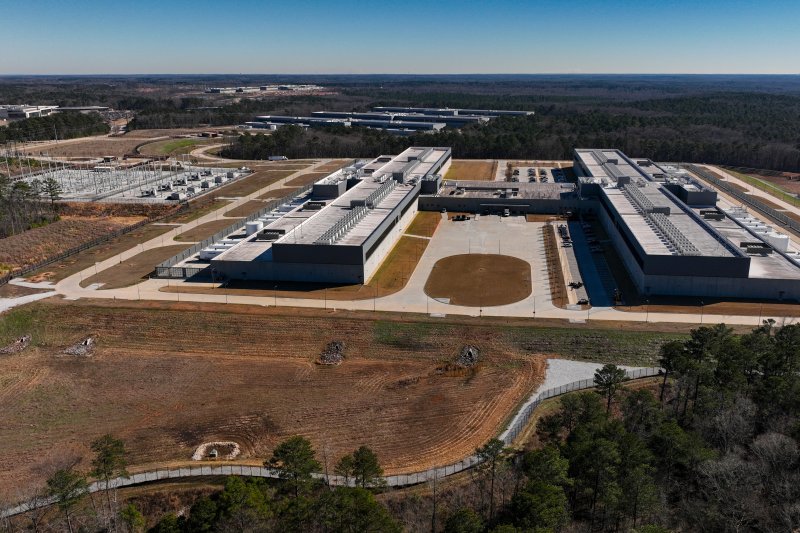
President Donald Trump’s anti-inflation strategy ahead of this year’s midterm elections has been hampered by a surge in electricity bills.
As power-hungry data centers proliferate amid the AI boom, electricity costs are soaring, undermining the impact of Trump’s policy of lowering oil prices.
Since his inauguration on January 20 last year (local time), Trump’s approval ratings have been plunging, and he is now facing the additional headwind of soaring electricity bills that voters feel directly in their daily lives. This has raised concerns that he could lose the November 3 (local time) midterm elections and end up with a situation where the opposition holds a majority in Congress.
The Wall Street Journal (WSJ) reported on the 17th that rising electricity costs are overshadowing other forms of inflation and that, ahead of the midterm elections, electricity bills are emerging as a major political issue across the United States.
Electricity bills soar even as oil prices fall
Gasoline prices at U.S. gas stations, which are generally regarded as a key energy cost that voters directly feel, have been falling. According to the American Automobile Association (AAA), gasoline prices at the pump have dropped by about 9% since Trump took office in January last year.
Normally, falling oil prices also bring down electricity bills, because they reduce the generation costs at thermal power plants.
But this time is different.
According to statistics from the U.S. Department of Labor, U.S. electricity bills in December of last year were up 6.7% from a year earlier. Compared with 2020, they have surged by about 38%. While the Consumer Price Index (CPI) in December rose 2.7%, electricity costs climbed far more steeply.
Why are they rising?
The main factor behind higher U.S. electricity bills is data centers, the core infrastructure of AI.
Data centers require enormous amounts of electricity to run high-performance chips, and they also consume huge amounts of power to cool the heat those chips generate.
AI servers use three to five times more electricity than conventional servers, which are already known to be heavy power users.
A single data center operated by Big Tech companies such as Google LLC or Microsoft (MS) is known to consume typically more than 100 to 500 megawatts (MW) of power. Given that 1 MW of electricity can supply about 750 to 1,000 households in the United States at the same time, one such data center uses as much electricity as an entire small or mid-sized city with a population of several hundred thousand.
As power demand from data centers soars, power producers are building new plants and expanding the grid. All of this costs money.
The problem is that data centers are not bearing all of these costs on their own; ordinary households are sharing the burden.
Political circles rush to respond
Both the ruling and opposition parties are struggling to come up with measures to deal with the surge in electricity bills.
The White House on the 16th summoned administration officials and the governors of the Commonwealth of Pennsylvania, Ohio, and the Commonwealth of Virginia to discuss countermeasures.
At the White House meeting, participants concluded that U.S. Big Tech companies should fully shoulder the costs of building the power plants needed to supply electricity to data centers, or else bear the entire increase in electricity bills.
In addition, lawmakers from both parties are united in opposing electricity rate hikes by power producers.
Trump has made it clear that Big Tech companies should pay for the electricity used by U.S. data centers that provide the computing power required for AI models. Specifically pointing to Microsoft (MS), he pledged to prevent MS and other Big Tech firms from passing these costs on to ordinary citizens. Microsoft has also promised to shoulder more of the electricity costs for its AI data centers.
[email protected] Song Kyung-jae Reporter