Lutnick warns of 100% tariffs on semiconductors if no U.S. investment, pressuring South Korea and Taiwan
- Input
- 2026-01-17 14:07:11
- Updated
- 2026-01-17 14:07:11
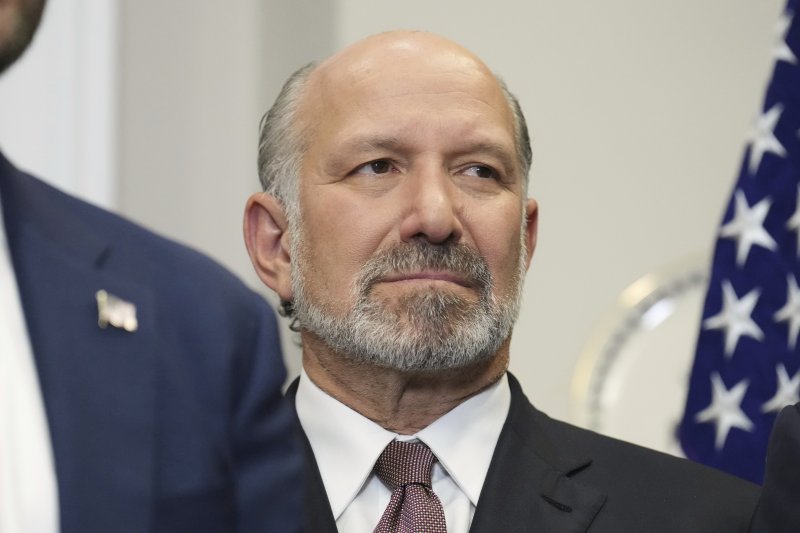
According to Financial News, Howard William Lutnick, United States Secretary of Commerce, warned on the 16th (local time) that major semiconductor-producing countries such as the Republic of Korea (South Korea) and Taiwan could face a 100% tariff on semiconductors if they do not invest in the United States.
Lutnick made the remarks while speaking with reporters at a groundbreaking ceremony for a new plant of U.S. semiconductor company Micron Technology, Inc. near Syracuse, New York State, on the same day. He said, “If you want to make memory semiconductors, you have two options: pay a 100% tariff or produce them in the United States.”
Although Lutnick did not explicitly name any specific country or company, his comments are being interpreted as signaling the possibility of imposing tariffs on the Republic of Korea (South Korea) and Taiwan, both of which are regarded as major semiconductor producers.
Previously, the Donald Trump administration stated in August last year that it would impose a 100% tariff on all semiconductors imported into the United States. However, it later postponed the full implementation of those tariffs and decided instead to negotiate with exporting countries in a direction aimed at reducing U.S. dependence on imported semiconductors.
Meanwhile, the United States announced the results of its trade agreement with Taiwan the previous day and disclosed the conditions for semiconductor tariff exemptions. Specifically, Taiwanese companies that establish new semiconductor production capacity in the United States will be exempt from tariffs on imports up to 2.5 times their new production capacity while construction of their facilities is underway. In addition, Taiwanese companies that complete new production facilities will be allowed to import up to 1.5 times their newly added capacity without paying tariffs.
In the case of South Korea, when it concluded trade negotiations with the United States last year, the two sides agreed to apply a 15% tariff to most South Korean products, but plans for semiconductor tariffs were not finalized. However, South Korea secured an agreement that it would not receive treatment less favorable than that granted to Taiwan.
The Trump administration is reportedly planning to negotiate separate agreements with each country regarding the criteria for semiconductor tariff exemptions.
[email protected] Lim Sang-hyuk Reporter