U.S.–Taiwan ‘Semiconductor Big Deal’: $250 Billion Investment, Reciprocal Tariffs Cut to 15%
- Input
- 2026-01-16 04:54:13
- Updated
- 2026-01-16 04:54:13
In return, the U.S. will lower reciprocal tariffs on Taiwan from 20% to 15%, and apply a 0% reciprocal tariff to certain items.
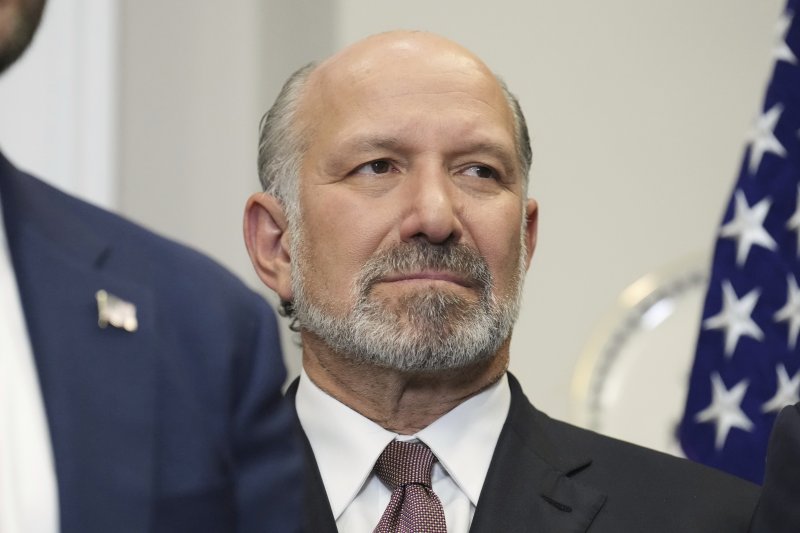
In an interview with Consumer News and Business Channel (CNBC) on the 15th (local time), Howard William Lutnick, United States Secretary of Commerce, said, “There is a high likelihood that tariff rates will go to 100% for Taiwan-based semiconductor companies that do not build plants in the U.S.” He made clear that the U.S. government’s goal is “to bring 40% of Taiwan’s semiconductor supply chain to the U.S.” This underscores that tariffs are being used not merely as a trade tool, but as policy leverage to reorganize the semiconductor supply chain around the U.S.
Under the agreement, Taiwanese semiconductor and technology companies will invest at least $250 billion to expand production capacity in the U.S. At the same time, the Taiwanese government will guarantee up to $250 billion in credit for these companies.
In exchange, the U.S. will cap reciprocal tariff rates at 15%, and apply a zero (0%) reciprocal tariff to generic drugs and active pharmaceutical ingredients, aircraft parts, and certain natural resources.
Lutnick specifically singled out Taiwan Semiconductor Manufacturing Company Limited (TSMC), the world’s largest semiconductor foundry. He said, “TSMC has purchased hundreds of acres of land near its existing site,” adding, “We will give them time to complete their board procedures.”
TSMC is already building a plant in Arizona and plans to invest up to $40 billion to produce semiconductors for U.S. companies such as Apple Inc. and Nvidia Corporation. In doing so, it has also been making use of support under the CHIPS and Science Act.
Another pillar of the agreement is a U.S. tariff exemption provision. The United States Department of Commerce announced that even if tariffs are imposed in the future under Section 232 of the Trade Expansion Act of 1962 (Section 232), companies that build semiconductor plants in the U.S. will be granted exemptions.
Specifically, while Taiwanese companies are constructing new fabs in the U.S., they will be allowed to import tariff-free volumes of goods up to 2.5 times the production capacity they are building in the U.S. Even after the plants are completed, they will be permitted to import up to 1.5 times their U.S. production capacity. For auto parts, lumber, and related products, tariffs imposed under Section 232 will be capped at 15%.
[email protected] Lee Byung-chul Reporter