[Editorial] Concerns Over Massive Expansion of Labor Inspectors Tightening the Noose on Businesses
- Input
- 2026-01-15 18:08:03
- Updated
- 2026-01-15 18:08:03
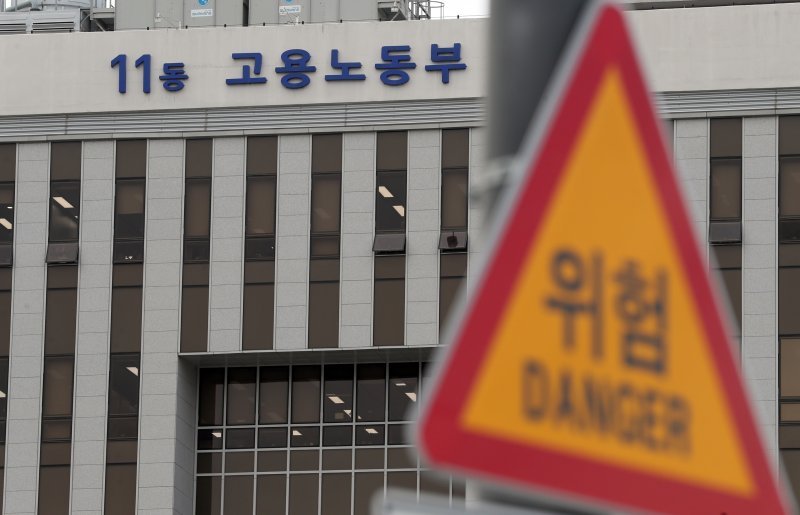
Labor inspectors hold the status of special judicial police officers under MOEL and can initiate investigations even without a complaint or accusation being filed. The stated aim is to check for violations of the Labor Standards Act and other labor-related laws and to respond swiftly to issues such as unpaid wages, excessive working hours, and industrial accidents. MOEL has said that if, despite on-site inspections, an employer repeatedly violates the law or fails to fulfill mandatory safety and health measures, it will impose immediate sanctions without issuing corrective orders, and will respond sternly.
This shift goes beyond a simple increase in personnel and shows that the center of gravity in employment and labor administration is moving from job creation to the protection of labor rights. Some in the labor community have long criticized the Korean term for "work" used in the old title as implying "diligently working," arguing that it reflects management’s perspective. The decision to remove that term from the existing job title and instead use the word corresponding to "labor" appears to reflect this line of criticism.
If workers’ rights are infringed because companies fail to comply with labor-related laws, it is naturally the government’s duty to ensure immediate correction. However, if policy tilts so far toward the labor side that it shifts the overall balance, side effects may emerge in the form of reduced capacity for new hiring and investment by companies. In fact, the number of petitions requesting investigations into alleged violations of labor-related laws was only 61 in 2015, but surged to 143 in 2016, 1,244 in 2018, and 2,165 in 2022.
If the organization overseeing labor sites becomes bloated, the nature of bureaucracies means there will be a growing temptation to inflate performance by increasing the number of violations detected. There is a risk that, instead of resolving on-site problems through administrative guidance and institutional improvements, the system will drift toward a punishment-centered approach.
In corporate workplaces, people are already saying it feels like "walking through a minefield." Once an inspector develops suspicions during the document review process, an investigation begins, and a company’s core capabilities are inevitably diverted to responding to labor issues. If, in the course of overly aggressive on-site inspections, companies end up being treated as potential criminals or their business activities are constrained, this could directly translate into a decline in overall economic vitality.
Right now, companies are surrounded by a host of labor issues, including the Yellow Envelope Act, the Serious Accidents Punishment Act, and proposals to extend the retirement age. A pro-labor policy stance can strengthen the social safety net, but rigid systems that amount to "tightening the noose" on businesses pose a serious risk of slowing the pace of innovation. Before expanding the scale of inspection administration, the government needs to coolly assess the potential side effects. Through reasonable standards and predictable policy implementation, it must ensure a balance between protecting workers and maintaining corporate dynamism.