“Don’t eat a whole Dubai Chewy Cookie in one bite”... Why you should divide it into at least four pieces [Health Issue]
- Input
- 2026-01-16 05:00:00
- Updated
- 2026-01-16 05:00:00
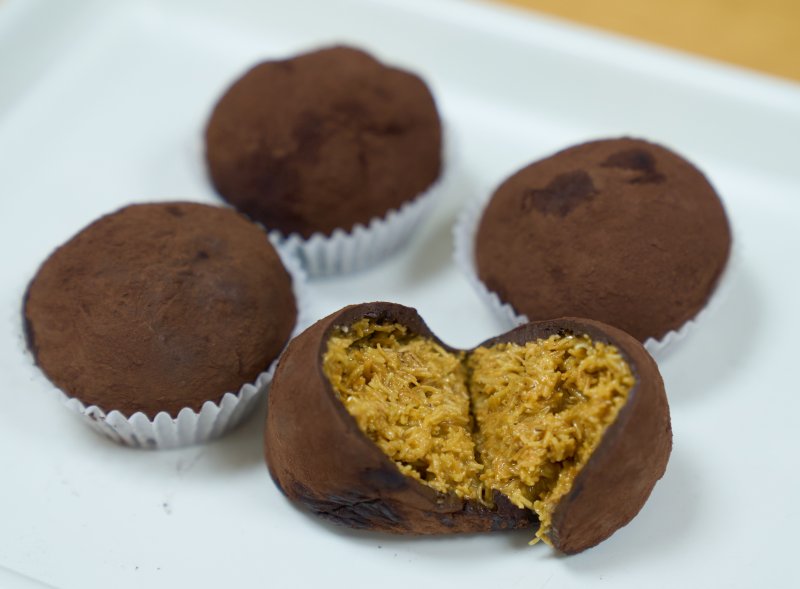
According to Financial News, there are growing warnings that eating the trendy dessert “Dubai Chocolate Chewy Cookie” (Dubai Chewy Cookie), which has recently gone viral on social media, in a single bite may lead to overeating and could even promote cardiovascular disease.
According to Korea University Guro Hospital on the 15th, the Dubai Chewy Cookie is a food in which simple sugars and saturated fats are densely concentrated together. Its key ingredient, kataifi (kadayif), is a combination of refined carbohydrates and fat made by deep-frying flour-based thin noodles in oil, to which marshmallows—made primarily of sugar—and chocolate are added.
Lee Yoo Jeong, a professor in the Department of Family Medicine (FM) at Korea University Guro Hospital, explained, “This kind of complex combination of sugar and fat stimulates the brain’s reward center more strongly than when a single nutrient is consumed, blocks the signal of leptin—the hormone that makes you feel full—and induces overeating.”
The physiological reactions that occur when consuming a Dubai Chewy Cookie are also immediate. Refined sugar and marshmallows are absorbed very quickly, causing blood glucose levels to spike right after intake, while the large amount of milk fat and frying oil they contain slows digestion and keeps blood sugar elevated for a prolonged period.
Professor Lee stressed, “These characteristics not only force the pancreas, which produces insulin, to work excessively without rest, but also make the blood more viscous, hindering blood circulation. This state causes chronic inflammation in the vessel walls and, as a result, leads to narrowing or hardening of the arteries, directly increasing the risk of cardiovascular disease.”
A single Dubai Chewy Cookie contains between 400 and 600 kcal depending on its size, which is 1.5 to 2 times the calories of a bowl of rice (about 300 kcal). If you eat the cookie as a dessert after a meal, the total caloric intake for that meal alone can exceed half of the recommended daily calorie intake for an adult.
Professor Lee explained, “Right after a meal, insulin levels are already elevated due to carbohydrate intake. If you then add a large amount of extra sugar and fat, they are first stored in the liver and abdominal organs in the form of triglycerides.” She pointed out, “If this eating pattern is repeated, the risk of fatty liver increases as fat accumulates in liver cells, and the buildup of visceral fat also raises the likelihood of developing metabolic syndrome.”
She went on to say, “The most recommended way to eat a Dubai Chewy Cookie is to strictly control the portion size by dividing one cookie into four or more pieces to reduce the amount consumed at one time. Beverage choice is also important. Instead of drinks containing high-fructose corn syrup or milk-based lattes, you should have it with water, unsweetened tea, or an Americano.”
[email protected] Kim Hee-sun Reporter