“Beetlejuice” co-director Seol-In Sim: “The final line Kim Junsu suggested... that’s the real charm of the show”
- Input
- 2026-01-14 13:28:07
- Updated
- 2026-01-14 13:28:07
\r
\r
\r
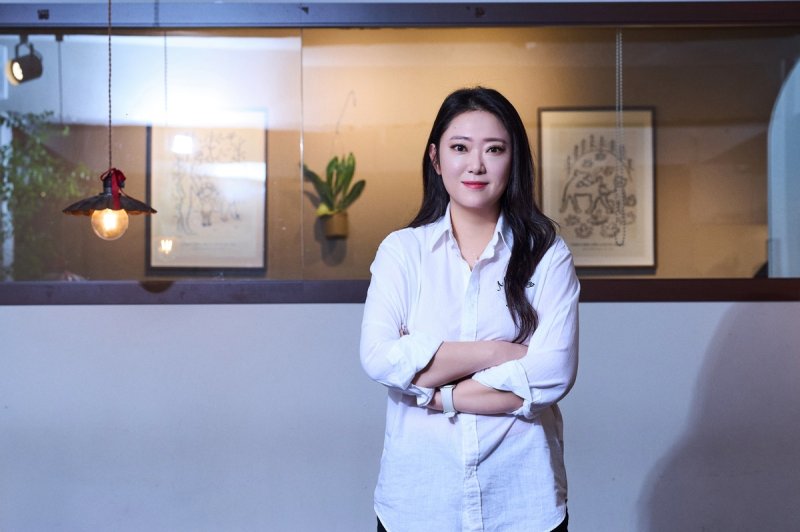
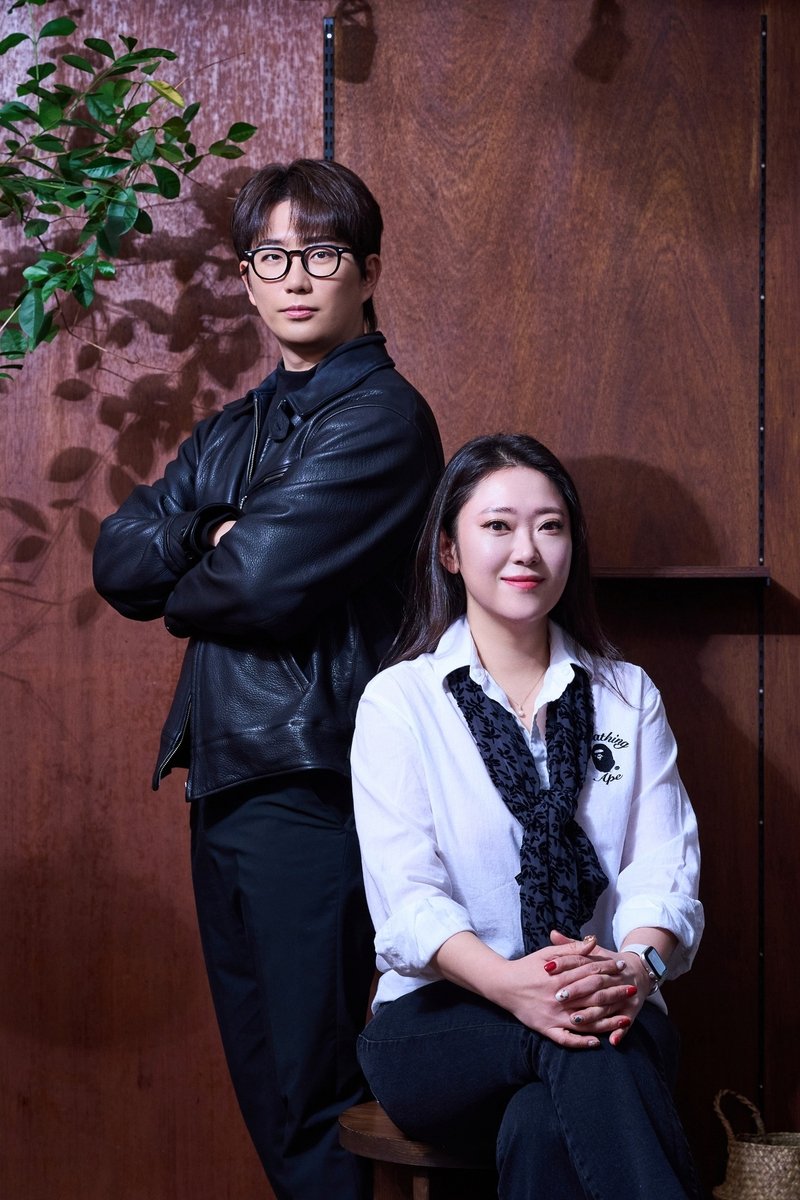
[Financial News] Director Seol-In Sim, who is in charge of the Korean staging of the musical Beetlejuice, describes this season as “an active experiment in how to turn empathy with the audience into laughter.”
Season 2, which returned to the stage last December after four years, was not a simple remount. Rather, it was a process of sharpening the show’s inherently freewheeling, rough-edged comic spirit so that it would stand out more clearly in the language and emotional landscape of Korean audiences.
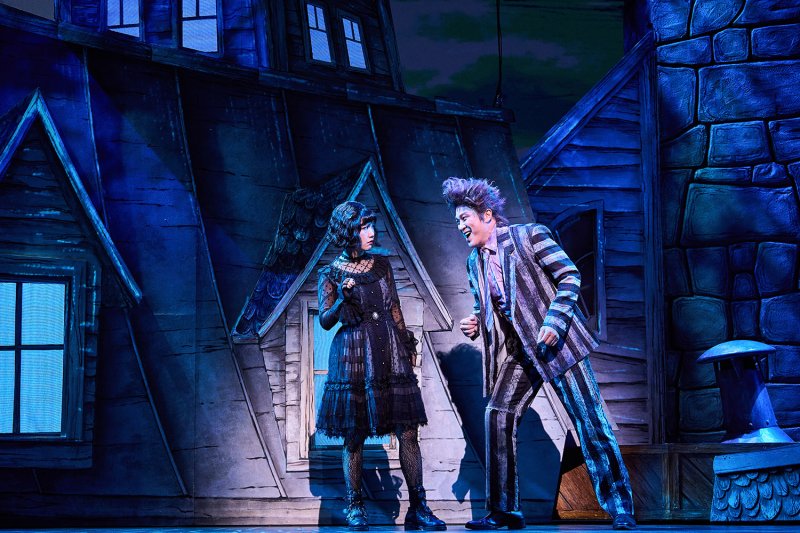
Based on Tim Burton’s 1988 film of the same name, Beetlejuice follows a couple who have just become ghosts as they team up with the eccentric entity Beetlejuice, who exists between the world of the living and the dead, to drive out the family of Lydia Deetz that has moved into their home. Unlike the original run, this season’s age rating has been raised from 8 and up to 14 and up.
Speaking at a café in Jongno District, Seoul, on the 9th, Sim said, “It wasn’t so much a choice to become more daring as it was an adjustment to properly reveal the texture the work originally had.” She continued, “Beetlejuice deals with the heavy themes of life and death, but it’s not a show that pushes that weight in a frightening way,” adding, “The audience needs to be ready to laugh and open their hearts in order to fully enjoy this world and its language.” She went on, “The goal of this show is for the audience to revel in spectacle and laughter for two and a half hours, and in that process naturally form relationships with the characters,” and added, “Once that empathy is established, Beetlejuice’s rough, free-spirited language finally comes alive.”
\r
“I thought most deeply about the essence of the Beetlejuice character.”
\rThe first thing Sim wrestled with while preparing Season 2 was “the essence of the character Beetlejuice.” “Beetlejuice is not someone confined by any rules or social framework, he’s not even human, and he’s closer to a mischievous troublemaker,” she recalled. “Because he doesn’t use language that’s been educated or socialized, it was crucial to figure out how to bring out the flavor of the words that spring from that sense of freedom.”
Beetlejuice is a lonely character who feels “I exist” in the very moments when people are shocked, laugh, and react to what he says. That is why the audience’s laughter is not just a response, but a channel through which the characters on stage and the audience form a relationship. The bold decision to bring comedian Lee Chang-ho on board as an adapter for Beetlejuice was made in this context. And at the core of the direction was empathy.
“What we were searching for was empathy in comedy,” Sim said. “We kept asking ourselves whether, when they hear this language, the audience can laugh along with it.”
This approach is also evident in how the production differentiates itself from the original. Sim notes that the Broadway script is much tougher, freely tossing out political and social jokes. However, she felt that “Korean audiences don’t easily open their hearts to jokes they’re not prepared to laugh at.” Accordingly, instead of jokes steeped in political context or strong cultural background, the team focused on translating them into situations and language that Korean audiences could grasp and react to immediately. She describes this not as “lowering the bar,” but as “changing the direction of empathy.”
Another key feature of this season is that different versions of lines were prepared for each actor.
“For Jung Sung-hwa, Jeong Wonyeong, and Kim Junsu, we prepared multiple versions that would bring out each actor’s strengths and chose among them on site,” Sim explained. This process continued to be revised and refined through rehearsals, and there were many instances where the actors’ suggestions were incorporated into the script.
A representative example is Beetlejuice’s final exit scene, where Kim Junsu’s suggestion was adopted. The original line from the first run, “Farewell, cruel human world! Let’s never meet again,” was replaced with the now-famous meme line from the anime Inuyasha: “Goodbye, everyone. I’m casting off all the shackles and restraints of this world and setting out in search of my own happiness.”
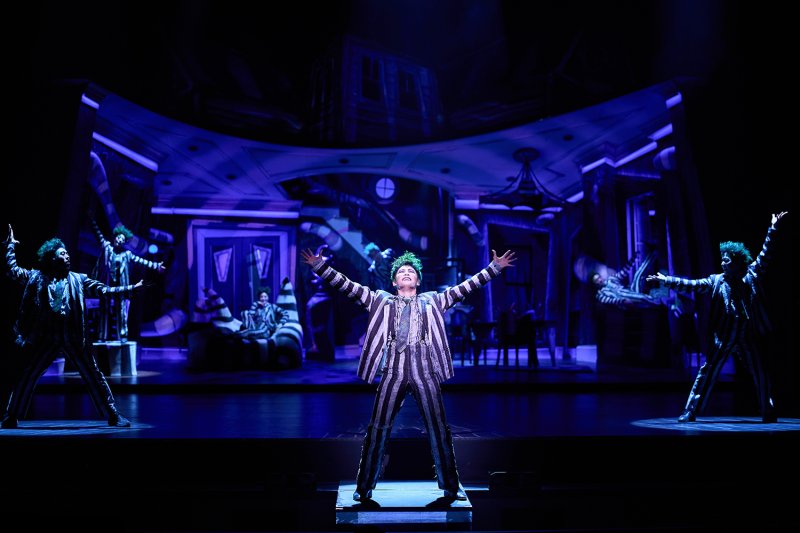
The performance space is another major change this season. Regarding the move to LG Arts Center Seoul, Sim explained, “It’s not that the set has become larger, but that the distance between the audience and the stage has become much closer.”
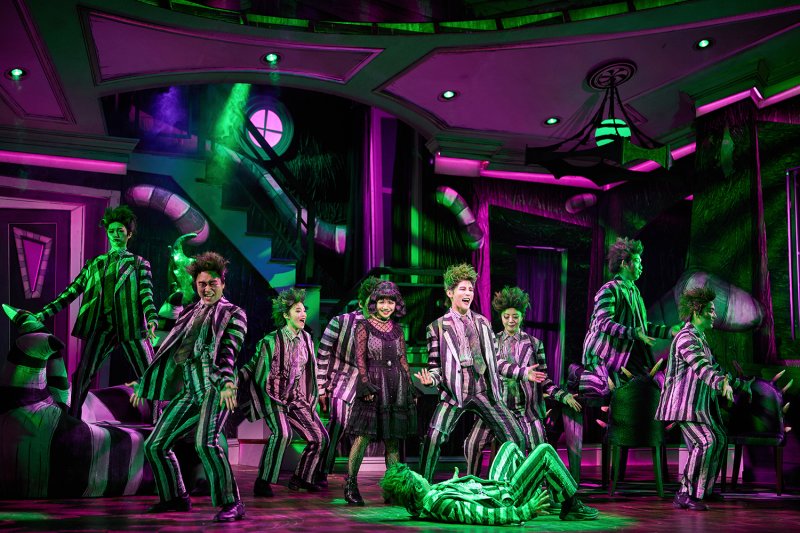
“What matters in Beetlejuice is fantasy and spectacle,” she said. “As the stage machinery, the actors’ movements, and the video effects are delivered in closer proximity to the audience, the energy of the show is felt much more directly.”
To her, Beetlejuice is not a dark, solemn tale of death, but a cheerful proposal for “a life worth living.”
“There are lines that barely got a reaction in the original run that now draw big laughs,” Sim noted. “As the generations and sensibilities of the audience change, the show changes with them—that’s the real charm of this musical.”
“The very fact that there is room to upgrade the show every season is the power that Beetlejuice possesses.”
\r
jashin@fnnews.com Shin Jina Reporter