After Drinking, ‘Gout’: Clear Gender Gap When Reflecting Koreans’ Drinking Habits
- Input
- 2026-01-14 09:43:29
- Updated
- 2026-01-14 09:43:29
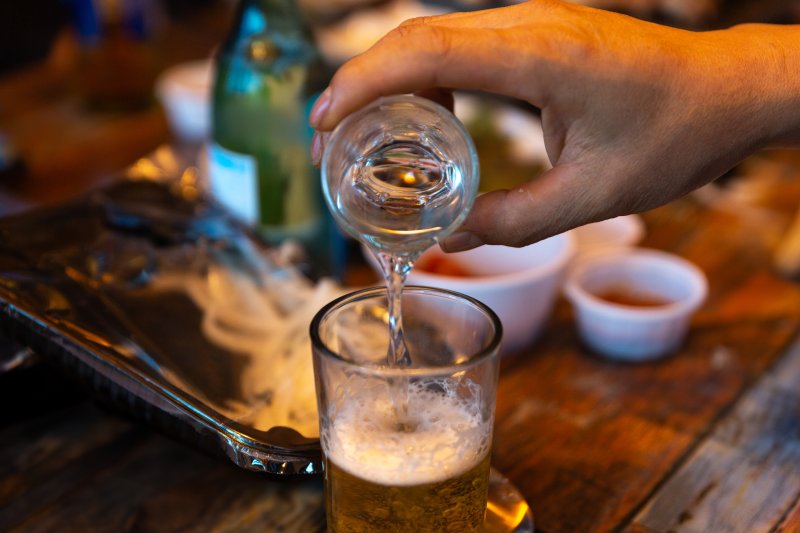
[Financial News] Gout is widely known as a representative “disease that comes with alcohol.” A domestic study has now found that, even when people drink the same amount, the way drinking raises the risk of gout can differ depending on gender and the type of alcohol consumed.
In an analysis that reflected Koreans’ drinking culture and dietary habits, Soju in men and beer in women were found to be more closely associated with increases in serum uric acid levels.
According to Samsung Medical Center (SMC) on the 14th, a joint research team consisting of Professor Mira Kang of the SMC Health Promotion Center, Professor Kyoung-Ah Kim and Sung Jun Hong of the Medical Statistics Center, and Professor Ahn Joong-kyung of the Department of Rheumatology at Kangbuk Samsung Hospital recently published their findings on changes in serum uric acid according to drinking amount, type of alcohol, and gender in the Journal of Korean Medical Science (JKMS).
The research team analyzed the relationship between drinking habits and serum uric acid levels in 17,011 adults aged 18 or older who underwent health checkups at SMC between January 2011 and June 2016.
An increase in serum uric acid is a key cause of gout, and alcohol consumption is regarded as a major factor that not only boosts uric acid production but also suppresses its excretion, thereby raising the risk of gout attacks.
A distinctive feature of this study is that, unlike previous Western-centered research, it took into account Koreans’ drinking culture. The team analyzed drinking patterns by type of alcohol, including not only beer and Wine but also Soju, which Koreans consume the most, and also considered Korea’s unique drinking style of mixing different alcoholic beverages, such as poktanju.
In the study, alcohol intake was standardized using 8 g of ethanol as “one standard drink.” This corresponds to 220 mL of beer (4.5% alcohol), 50 mL of Soju (20% alcohol), or 85 mL of Wine (12% alcohol). Drinking amounts were categorized into six levels, from abstinence to heavy and binge drinking, and their relationships with serum uric acid levels were analyzed.
The analysis showed that, regardless of the type of alcohol, serum uric acid levels generally increased as drinking volume rose. However, the type of alcohol most strongly associated with uric acid elevation differed by gender.
Among men, Soju intake had the strongest impact on raising uric acid levels, and a tendency toward increased uric acid was observed even at relatively low levels of consumption, around 0.5 standard drinks of Soju per day. In contrast, among women, beer intake was most strongly associated with higher uric acid levels.
The study also confirmed that when multiple types of alcohol were mixed, serum uric acid levels tended to be higher in both men and women. Professor Kim explained, “Because complex drinking patterns such as poktanju are common in Korea, we took particular care to separate and analyze the effects by type of alcohol.”
The research team found that not only the type of alcohol but also the foods consumed with alcohol affect uric acid levels. Among men, those who preferred Soju or mixed drinks tended to eat foods with higher protein content, and among women, those who mainly drank beer were also found to consume more protein.
This suggests that Korea’s characteristic “alcohol-and-side-dish combinations” may influence increases in uric acid.
There were also differences in the benefits of moderating alcohol intake depending on obesity status. In people who were not obese (Body Mass Index (BMI) below 25 kg/m2), improvements in drinking habits led to a clear reduction in uric acid levels. However, in those who were obese (BMI of 25 kg/m2 or higher), obesity itself had such a strong effect on elevating uric acid that the harmful impact of alcohol could be relatively masked.
Professor Mira Kang said, “This study is meaningful in that it is the first to systematically analyze how not only the amount of alcohol but also gender, type of alcohol, and food combinations—what we might call Korean-style drinking patterns—affect uric acid levels,” adding, “It will enable more realistic and tailored lifestyle guidance for patients with gout or Hyperuricemia.”
Professor Ahn Joong-kyung also noted, “In reality, it is not easy to simply recommend complete abstinence from alcohol just because a patient’s uric acid level is high,” and evaluated the study by saying, “Its clinical usefulness is high in that it specifies which types of alcohol and dietary habits require particular caution depending on gender.” The research team emphasized that for those concerned about their uric acid levels, the most reliable preventive measure is, above all, to reduce alcohol consumption or abstain from drinking altogether.
[email protected] Kang Jung-mo Reporter