Harsher penalties for drug-impaired driving from April...Nationwide campaign to raise awareness
- Input
- 2026-01-14 12:00:00
- Updated
- 2026-01-14 12:00:00
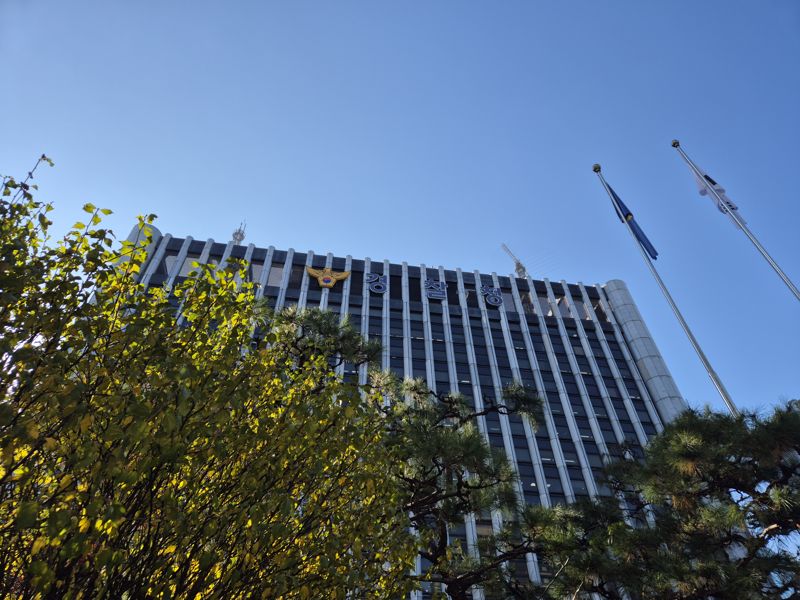
[Financial News] Starting in April, penalties will be significantly strengthened for driving when normal driving is difficult due to the influence of drugs.
The Korean National Police Agency (KNPA) announced on the 14th that, with the enforcement of these amendments to the Road Traffic Act, it will step up nationwide public awareness campaigns to prevent drug-impaired driving.
The amendments sharply increase penalties for operating a motor vehicle when normal driving is difficult due to the influence of drugs. The maximum penalty will be raised from imprisonment for up to three years or a fine of up to 10 million won to imprisonment for up to five years or a fine of up to 20 million won. Covered substances include narcotics, psychotropic drugs, and cannabis as defined in Article 2, Paragraph 1 of the Narcotics Control Act, as well as hallucinogenic substances under Article 22, Paragraph 1 of the Chemicals Control Act (CCA).
However, taking medication prescribed appropriately by a doctor does not automatically lead to punishment. Enforcement applies when a driver is unable to fulfill the duty of care required for driving under the Road Traffic Act. Specifically, this refers to situations where the driver’s attention or motor skills are in fact impaired and judgment is clouded to the extent that they cannot properly operate mechanical devices such as steering and braking systems.
In addition, a new offense will be introduced for refusing a drug test. When an officer conducting enforcement requests a drug test, the driver must comply; refusal will be punished at the same level as drug-impaired driving itself.
Where there are reasonable grounds to suspect drug-impaired driving, officers may verify drug use through rapid saliva reagent tests and behavioral assessments, as well as urine and blood tests. A draft amendment to the Enforcement Rule of the Road Traffic Act, setting out detailed procedures and standards for these measures, is currently being prepared.
Accordingly, the KNPA plans to produce and distribute promotional videos and other materials on the dangers of drug and narcotics-impaired driving. In close cooperation with relevant organizations, including the Korean Medical Association (KMA) and the Korean Pharmaceutical Association, it will promote active and practical measures so that doctors and pharmacists check whether patients drive and explain drowsiness and other side effects of medications during consultations and counseling on medication use.
The agency also plans to run awareness campaigns for transport companies and professional drivers, promoting messages such as “If you are unwell, do not drive” to prevent drug-impaired driving.
Kim Hoseung, Director General for Community Safety and Traffic at the KNPA, said, “Drug-impaired driving is just as dangerous as drunk driving in terms of accident risk, yet public awareness remains low,” adding, “Drugs always carry side effects, so you must judge whether you are physically fit to drive, and if you are not feeling well, you must not drive. We ask for active cooperation from drivers, related transport companies, and relevant institutions.”
Meanwhile, according to the KNPA, there were 237 cases of driver’s license revocation due to narcotics- or drug-impaired driving last year, a 45.4% increase from 163 cases the previous year.
welcome@fnnews.com Jang Yu-ha Reporter