Powell probe shocks markets: dollar weakens, gold hits record high
- Input
- 2026-01-13 00:44:34
- Updated
- 2026-01-13 00:44:34
Gold prices hit an all-time high, while the dollar and the U.S. stock market weakened in tandem. Concerns resurfaced that the Fed’s independence could be exposed to political pressure.
On the 12th (local time), international gold prices at one point surged 2.2% from the previous day, breaking above 4,600 dollars per troy ounce. Silver prices also jumped as much as 6%, topping 85 dollars to reach a record high. In contrast, the United States dollar (USD) fell 0.3% against major currencies including the pound sterling and the euro.
The U.S. stock market also weakened. The S&P 500 Index was down 0.4% in early trading, while the yield on 10-year United States Treasury securities (Treasuries) rose 0.02 percentage points to 4.20%. In other words, Treasury prices fell and yields rose at the same time.
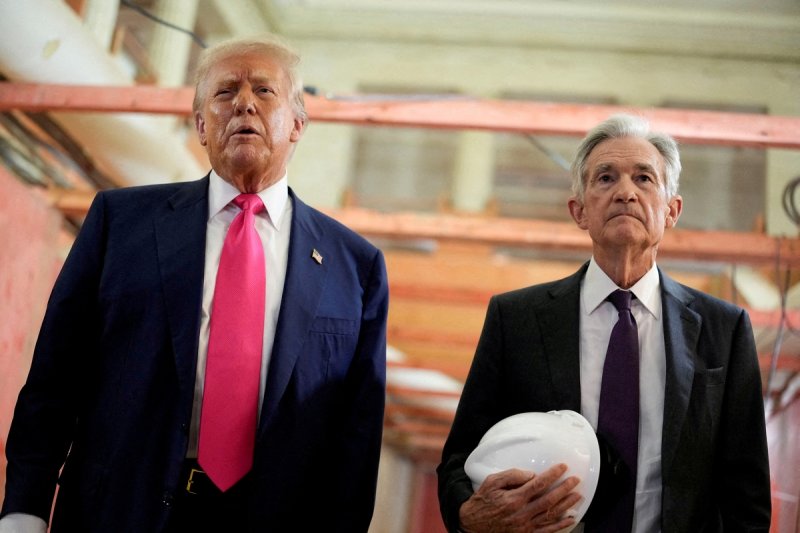
The immediate trigger for this market volatility was news that the United States Department of Justice (DOJ) had opened a criminal investigation into Powell. Powell said the previous day that, over testimony he gave in Congress regarding the Fed’s 2.5 billion dollar renovation project for its Washington, D.C. headquarters, he had been notified of a grand jury subpoena and the possibility of criminal charges.
Kevin Thozet, investment committee member at Carmignac, warned of rising tensions, saying, “In the coming quarters, the conflict between the White House and the Fed may no longer be a ‘gloves-on fight.’”
Investors interpret the weaker dollar and stronger gold as reflecting fears that, under political pressure, U.S. policy rates could be kept lower than normal. If pressure to cut rates intensifies, long-term inflation expectations could rise again and the credibility of monetary policy could be undermined.
Mike Riedel, a fund manager at Fidelity International, said, “We have seen in the past that political pressure on the Fed leads to a weaker dollar, higher long-term Treasury yields, and rising inflation expectations.”
However, some say the market reaction remains limited for now. Many investors still expect the Fed to continue making policy decisions based on its legal mandate and economic data. Jan Hatzius, chief economist at The Goldman Sachs Group, Inc., said, “The Federal Open Market Committee (FOMC) will continue to base its decisions on its mandate of price stability and maximum employment.”
[email protected] Lee Byung-chul, correspondent Reporter