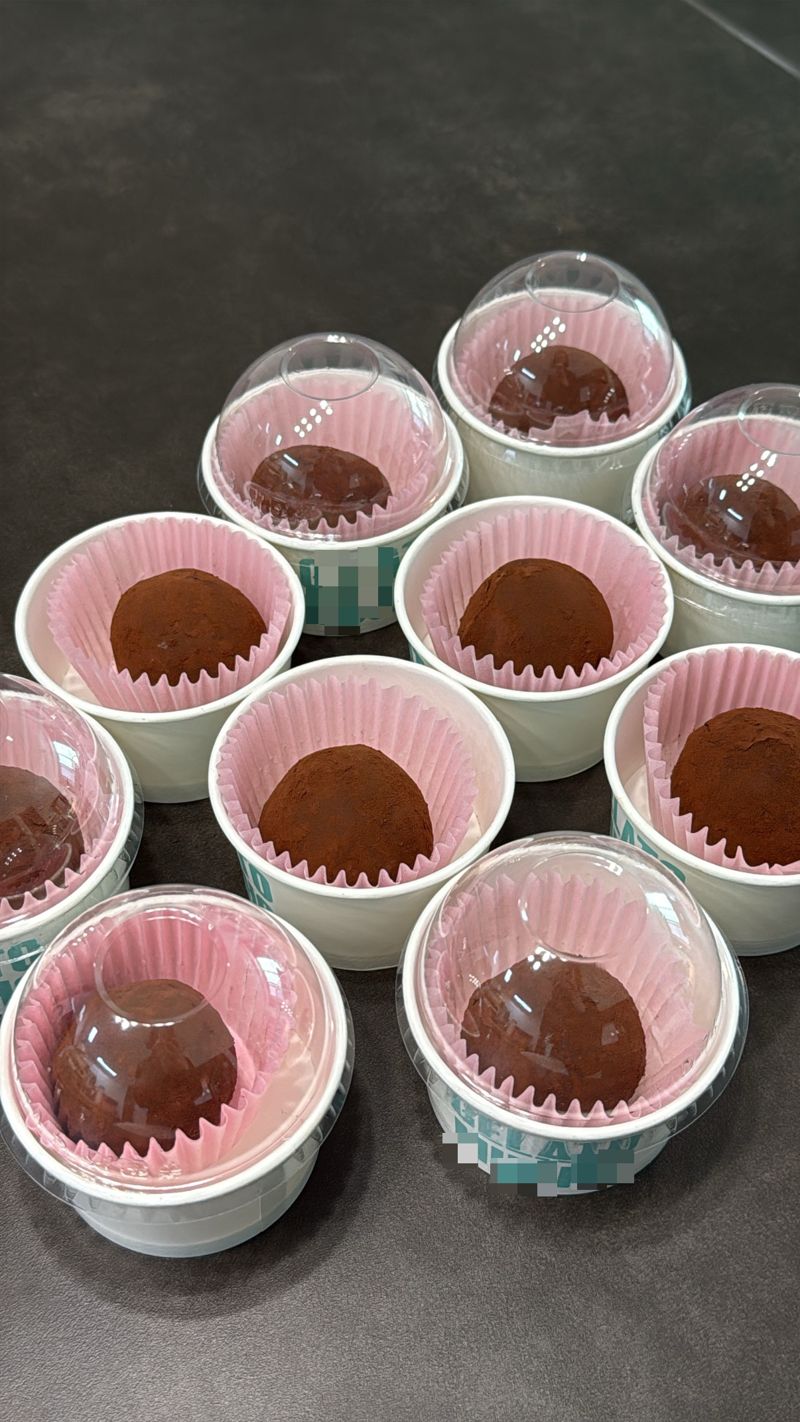
"You have to line up at opening for a 6,000-won one to survive"... 'Dubai Chewy Cookie craze' spreads to Malatang and Chinese restaurants
- Input
- 2026-01-13 06:00:00
- Updated
- 2026-01-13 06:00:00
[Financial News] "Not only dessert shops but the entire dining-out sector, including Malatang, Sushi, and Chinese restaurants, are jumping into selling Dubai Chewy Cookies (Dubai Chewy Cookie). When you listen to other self-employed business owners, many are in the red due to the economic downturn, but they are at least finding a sales lifeline through Dubai Chewy Cookies."
On the 12th, Mr. Kim, who runs a dessert café in Yongsan District, Seoul, made this comment about the recent Dubai Chewy Cookie craze.
Dubai Chocolate, which gained huge popularity among the MZ generation (Millennials and Generation Z) in 2024, is enjoying a second heyday as it evolves into cookies, macarons, gimbap, and more. Dubai Chocolate is a unique dessert filled with savory pistachio cream and crispy Kataifi (kadayif) that looks like fried noodles, offering a distinctive texture. Last year, it became hugely popular as short-form content featuring the sound of the chocolate being broken and cross-section shots spread mainly through social networking services (SNS).
The popularity of Dubai Chewy Cookies is spreading beyond dessert specialty shops to the entire dining-out industry. This is because the cooking method is simple enough that you can make the filling just by mixing Dubai Chocolate with pistachio and Kataifi (kadayif). On top of that, since the main ingredients—Kataifi (kadayif) and pistachio—are expensive, they sell briskly even at prices over 6,000 won per piece, resulting in high profit margins. If you search for Dubai Chewy Cookie on delivery apps such as Coupang Eats or Baedal Minjok, you will find not only regular cafés and dessert shops but also Japanese restaurants, Malatang specialty restaurants, and Chinese restaurants offering delivery of Dubai Chewy Cookies.
Eunhee Lee, a professor in the Department of Consumer Science at Inha University, explained, "The recipe for making Dubai Chewy Cookies is so simple that it has gone viral on SNS, and because Kataifi (kadayif) is expensive, the operating profit margin is high from the supplier’s perspective," adding, "As other food sectors also jump into Dubai Chewy Cookies, they have become a major lifeline for self-employed business owners."
Buoyed by this popularity, information such as "Dubai Chewy Cookie holy sites," "cafés selling Dubai Chewy Cookies in the 3,000-won range," and "real-time Dubai Chewy Cookie stock status" is being actively shared on SNS.
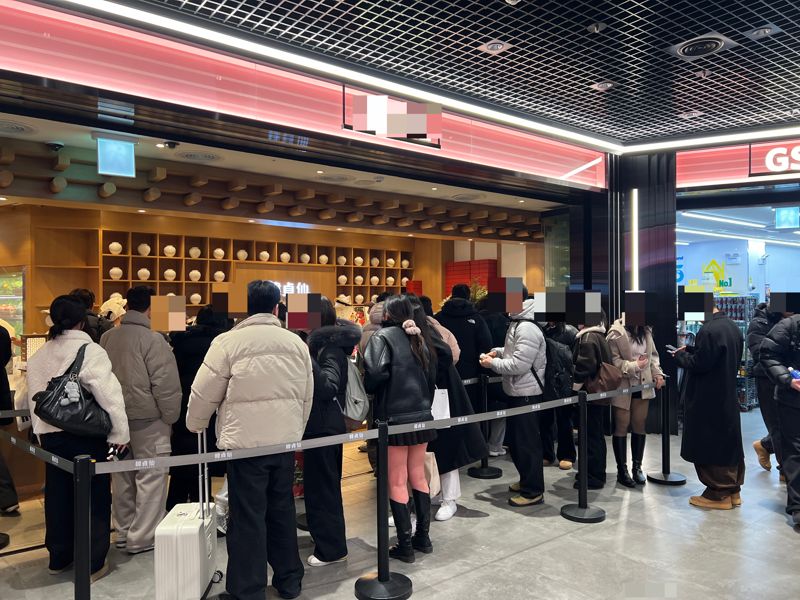
At the shop visited that day as well, the line of customers waiting to buy Dubai Chewy Cookies stretched outside the store. Despite the price being over 6,000 won per piece, the quantity was so limited that purchases were restricted to five per person.
Mr. Oh, who had been waiting since the morning to buy Dubai Chewy Cookies at the café, said, "You basically have to line up before opening like this to barely get your hands on Dubai Chewy Cookies," adding, "If you come in the afternoon, they’re already sold out, so I hurried over before lunchtime."
However, industry insiders predict that the popularity of Dubai Chewy Cookies will not last, as trends in the dessert industry change quickly. An industry official analyzed, "As we saw with past dessert fads like Taiwanese Castella Cake and Tanghulu, desserts that are highly sensitive to trends inevitably have short lifespans."
\r\n