[On the Ground] Robots weld and AI inspects excavators: physical AI in full swing [CES 2026]
- Input
- 2026-01-12 06:30:00
- Updated
- 2026-01-12 06:30:00
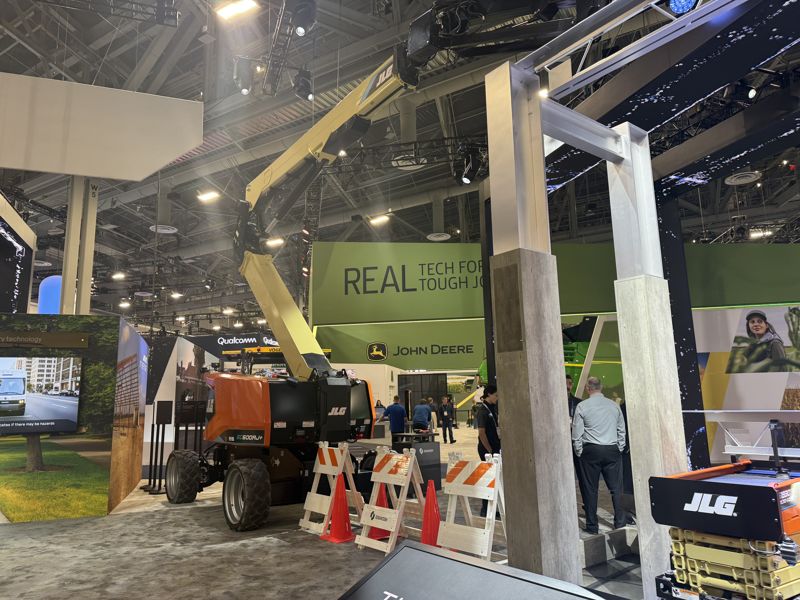
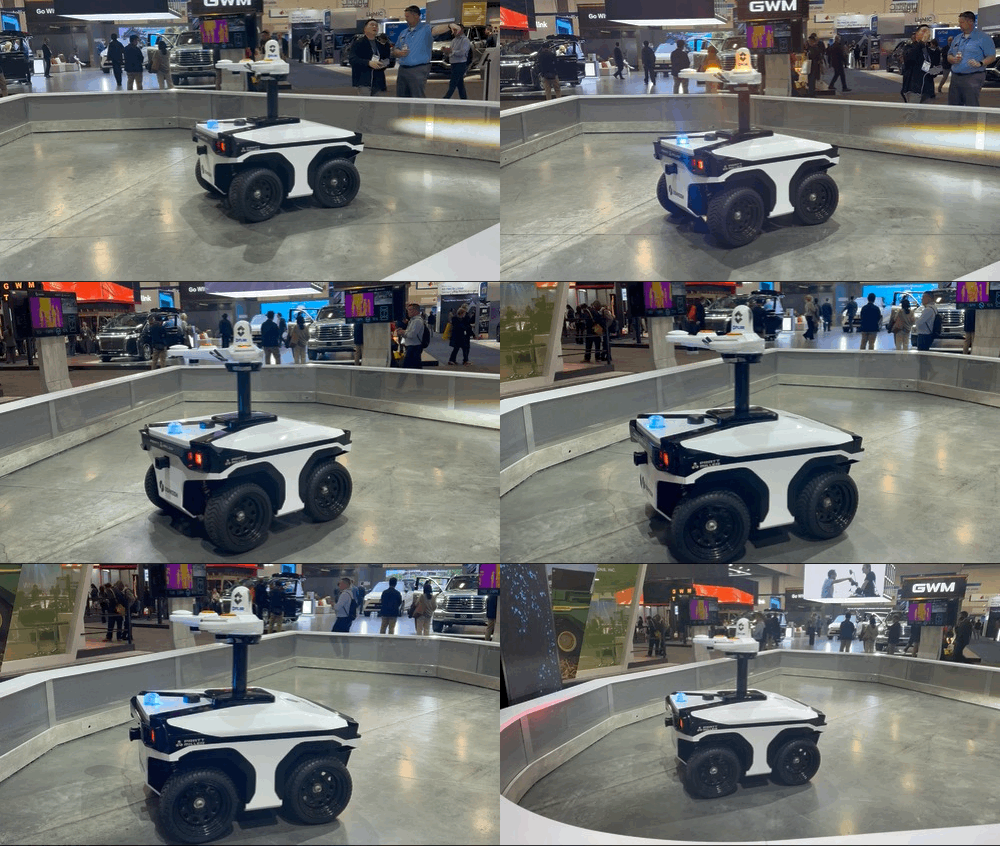
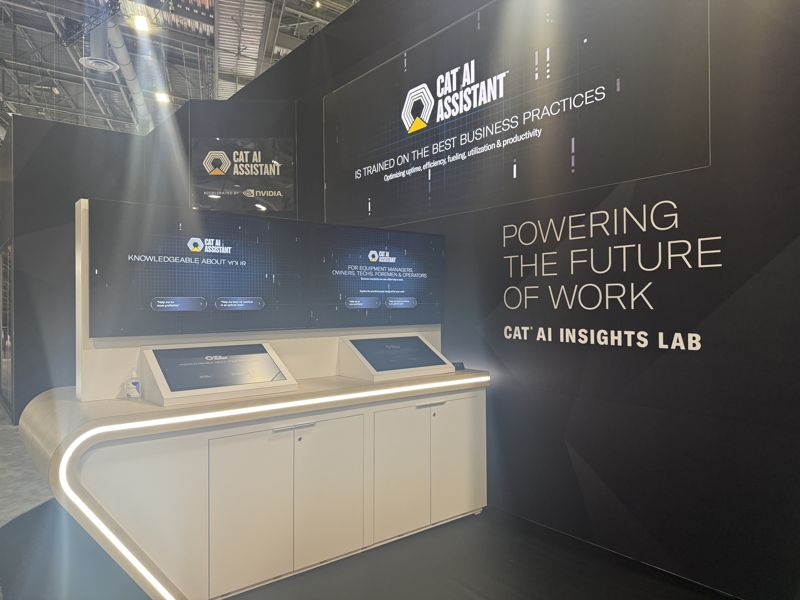
Oshkosh Corporation deployed an AI robot boom lift that performs welding at height directly on site. A representative from Oshkosh explained, “Instead of people going up to perform welding work at high elevations, the boom lift can determine its position and automatically weld at precisely the right spot.” Oshkosh also unveiled unmanned robots that transport baggage at airports and an AI safety system designed to help firefighters and paramedics avoid road accidents. U.S. construction equipment maker Caterpillar Inc. put its AI-based Cat AI Assistant front and center. Cat AI Assistant provides operators with real-time guidance on excavator settings, work methods, equipment status, and even parts replacement, improving ease of operation.
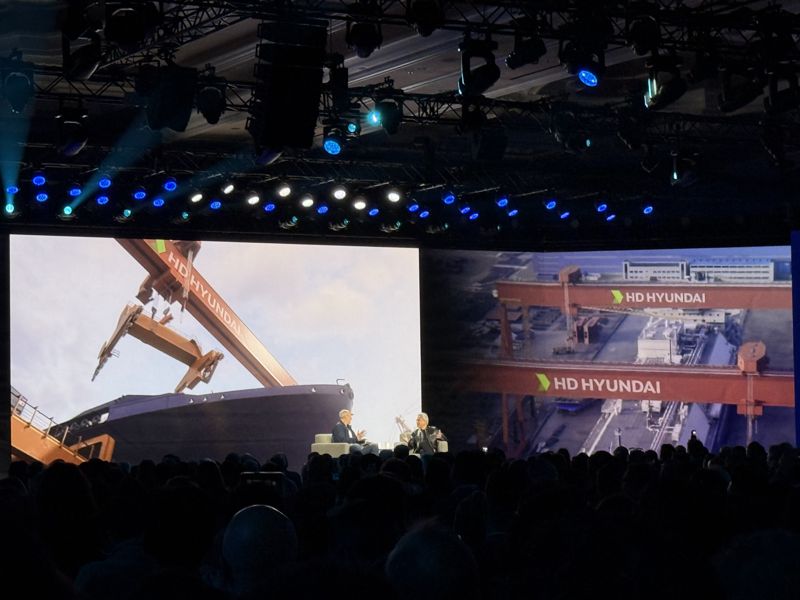
In the case of Siemens AG, Roland Busch, chairman and CEO, used the CES opening keynote to stress the importance of the Digital Twin—perfectly reproducing physical assets in a virtual world—enhanced with AI. In particular, he highlighted the “HD Hyundai Heavy Industries shipyard Digital Twin case,” developed in partnership with Nvidia Corporation. Jensen Huang, CEO of Nvidia Corporation, also praised HD Hyundai Heavy Industries, calling it “a perfect example that best illustrates the Digital Twin concept we have been working on together,” and adding, “Digital Twin technology has been applied to the entire vessel, down to every single bolt and nut.” At its booth, Siemens demonstrated Siemens Xcelerator, a platform that integrates diverse manufacturing process data, running in real time.
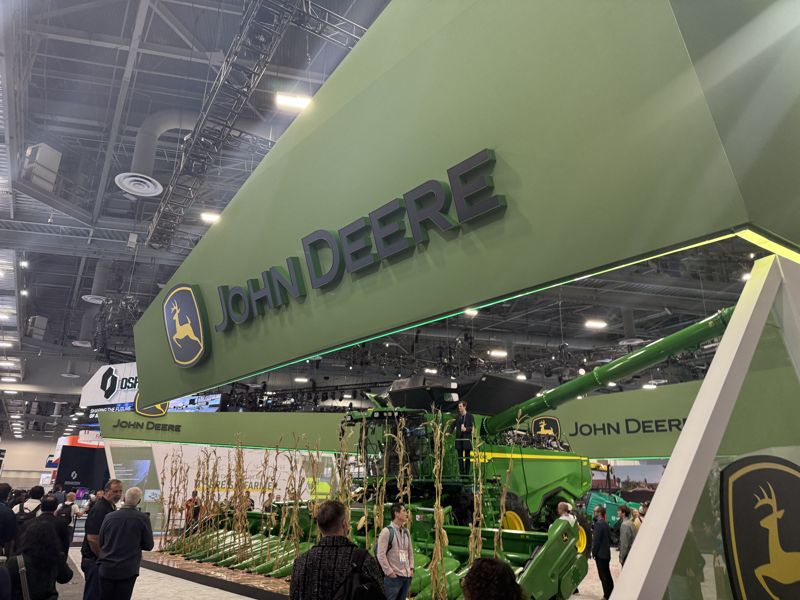
AI is also expected to be actively used in agriculture. John Deere drew visitors’ attention by exhibiting a massive harvester. The company has equipped the harvester with cameras and a Global Positioning System (GPS), enabling it to determine its own direction of movement and incorporating autonomous driving capabilities.
Korean companies showcased not only humanoids that embody future technologies, but also a variety of AI solutions ready for immediate deployment in industrial sites. Scan & Go, unveiled at CES by Doosan Robotics, combines a robotic arm with an autonomous mobile robot (AMR) and applies physics-informed AI and advanced 3D vision, enabling it to carry out a wide range of tasks autonomously. Physics-informed AI, which fuses data with physical laws, directly incorporates the robot’s physical characteristics—such as joints, torque sensors, and friction—into the learning process, thereby enhancing reliability and efficiency.
[email protected] Im Su-bin Reporter