Beloved National Actor Ahn Sung-ki Laid to Rest Today... Funeral Service at Myeongdong Cathedral After Mass
- Input
- 2026-01-09 00:05:00
- Updated
- 2026-01-09 00:05:00
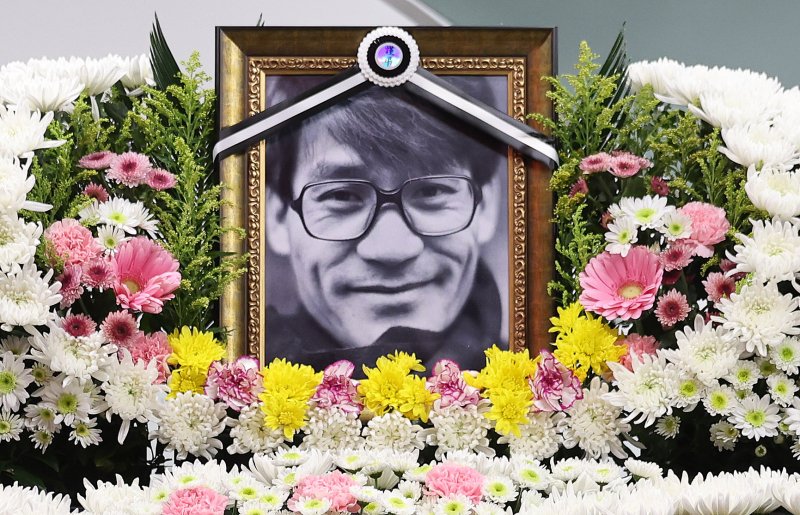
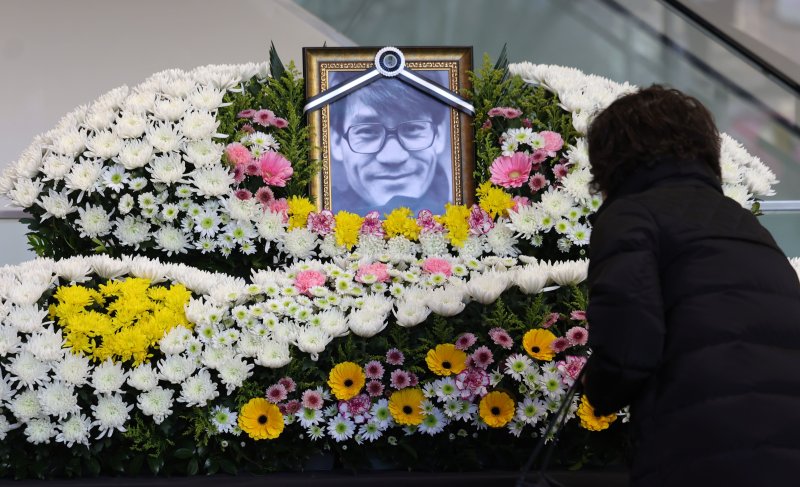
According to his agency Artist Company, between 6:30 and 7 a.m. today, after a Mass at the funeral altar at The Catholic University of Korea Seoul St. Mary’s Hospital, the late actor’s coffin and pallbearers will move to Myeongdong Cathedral, where the funeral service will be held.
The late actor will leave the hospital in a hearse. Actor Jung Woo-sung, a close junior colleague during his lifetime, will carry his portrait, while Lee Jung-jae will accompany the procession holding the Geumgwan Order of Cultural Merit. Sul Kyung-gu, Park Chul-min, Yoo Ji-tae, Park Hae-il, Jo Woo-jin and Ju Ji-hoon will serve as pallbearers.
Mass will begin at Myeongdong Cathedral at 8 a.m., followed by the funeral service, which is scheduled to be solemnly held at around 9 a.m. at the Familia Chapel of Myeongdong Cathedral.
Ahn Sung-ki passed away on the 5th after battling blood cancer
Ahn Sung-ki died at around 9 a.m. on the 5th at the age of 74 while receiving treatment in the intensive care unit of Soonchunhyang University Hospital in Yongsan District, Seoul, with his family at his bedside. It was six days after he collapsed at home on the 30th of last month when food became lodged in his throat and he was admitted to the intensive care unit in an unconscious state.
After being diagnosed with blood cancer in 2019, Ahn Sung-ki was told he was in remission in 2020, but his condition worsened again just six months later and he had to resume treatment,
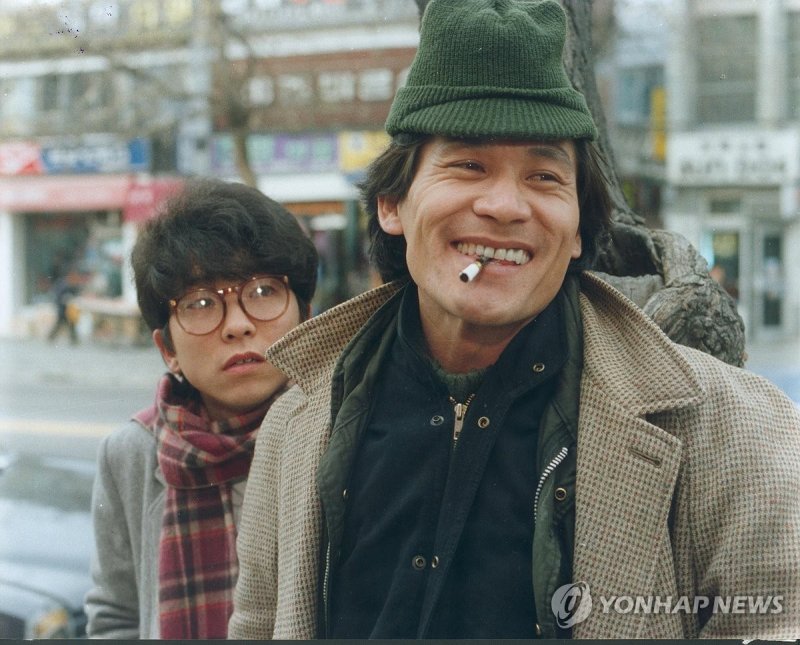
enduring a long and grueling battle with illness.
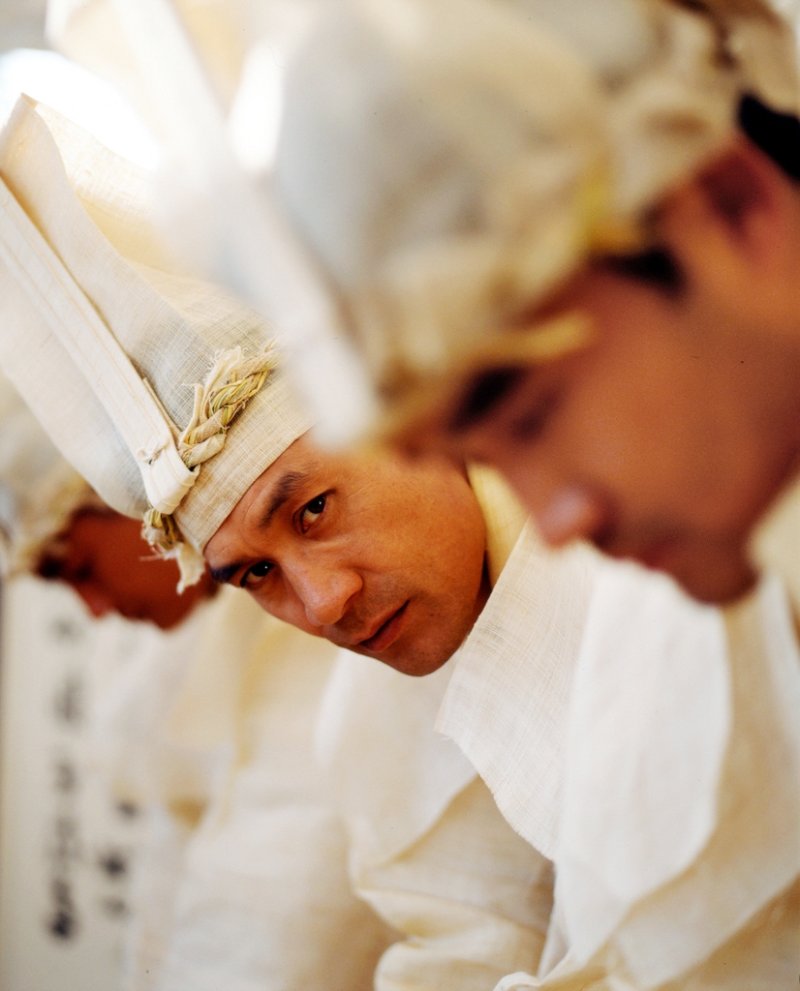
He entered the film industry in 1959 as a child actor in director Kim Ki-young’s "Twilight Train." Over a 69-year career, he appeared in more than 200 films, including Im Kwon-taek’s "Mandala" (1981), which depicts spiritual journeys on the road, Kang Woo-suk’s "Two Cops" (1993), which opened a new chapter in Korean comedy, Lee Myung-se’s "Nowhere to Hide" (1999) and Im Kwon-taek’s "Revivre" (2015).
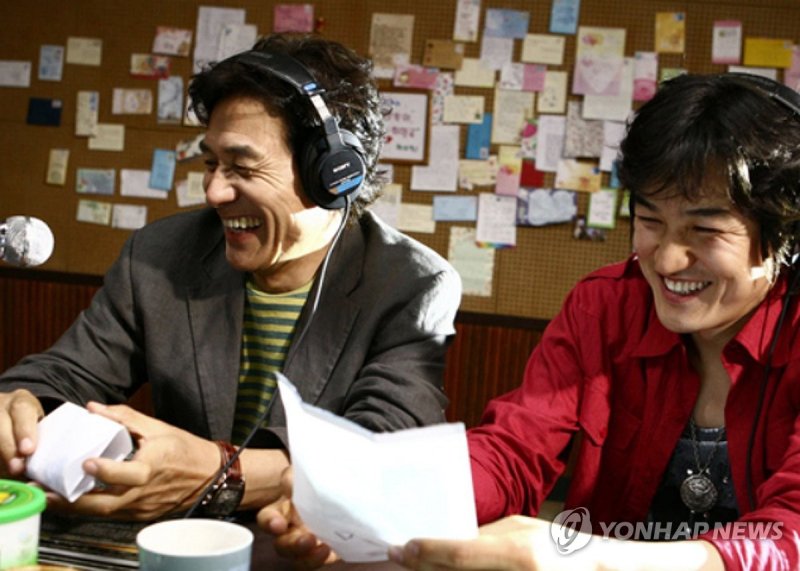
In an interview with a media outlet during his lifetime, he confessed that even after a long battle with illness, he still deeply missed being on set, revealing his unwavering passion for acting. He admitted that the label "national actor" once felt like a heavy burden, but said it ultimately became a driving force that led him in a positive direction. As his best on-screen partner, he named Park Joong-hoon, with whom he co-starred in "Chilsu and Mansu," "Two Cops," "Nowhere to Hide" and "Radio Star."
He said he hoped to be remembered by the public as an actor they could always trust to deliver.
From child star to national actor... a living witness to Korean film history
Debuting as a child star, Ahn Sung-ki soon became one of the defining faces of the golden age of Korean cinema in the 1960s. He appeared in about 70 films during the 1950s and 1960s alone, but temporarily halted his acting career after entering high school to focus on his studies.
After a hiatus of about 10 years, including his military service, he returned to the screen in 1977 with the film "Soldiers and Young Ladies." In 1980, he firmly established himself as an adult actor by winning the Best New Actor award at the 19th Grand Bell Awards for director Lee Jang-ho’s "A Fine, Windy Day."
He then emerged as a leading figure of the 1980s renaissance of Korean cinema through works such as Im Kwon-taek’s "Mandala" (1981), Bae Chang-ho’s "People in the Slum" (1982), "Whale Hunting" (1984, directed by Bae Chang-ho), in which he left a powerful impression as the vagrant Min-woo, and "Chilsu and Mansu" (1988, directed by Park Kwang-su), where he shared the screen with junior actor Park Joong-hoon.
As Korean cinema entered a full-fledged phase of industrialization in the 1990s, Ahn Sung-ki reached his prime by taking on a wide range of characters. From "North Korean Partisan in South Korea" (1990, directed by Chung Ji-young) and "White Badge" (1992, directed by Chung Ji-young) to "Two Cops" (1993, directed by Kang Woo-suk), "The Taebaek Mountains" (1994, directed by Im Kwon-taek), "The Soul Guardians" (1998, directed by Park Kwang-chun) and "Nowhere to Hide" (1999, directed by Lee Myung-se), each of his films was recognized for both commercial success and artistic merit.
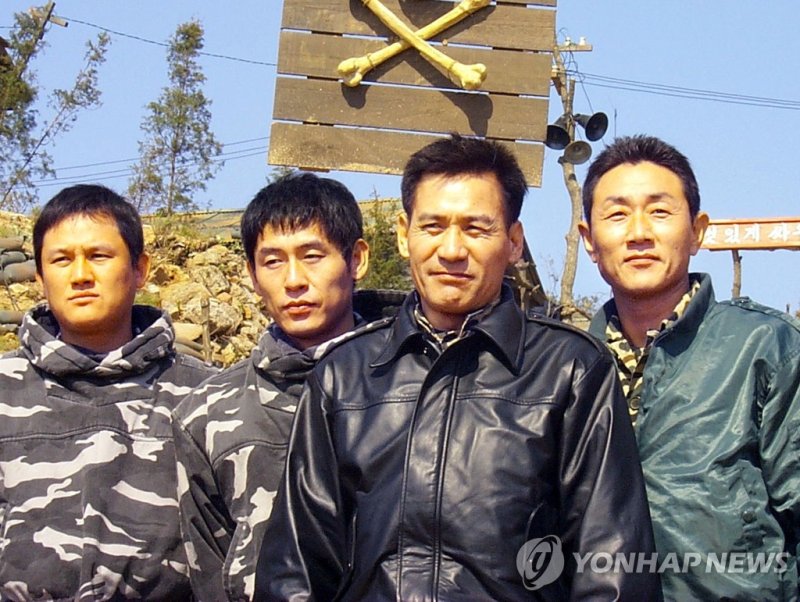
He continued to work steadily throughout the 2000s, becoming a respected senior figure in the film industry. "Musa" (2001, directed by Film director Kim Sung-su), which earned him his first Best Supporting Actor award, "Silmido" (2003, directed by Kang Woo-suk), the first Korean film to draw 10 million viewers, and "Radio Star" (2006, directed by Lee Joon-ik), in which he reunited with Park Joong-hoon, are among the indispensable titles in his filmography.
From the 2010s into the 2020s, he remained active on set. With the courtroom drama "Unbowed" (2012, directed by Chung Ji-young), based on a true story, he once again received formal recognition for his acting, winning Best Actor at the 49th Grand Bell Awards. In his final film, "Noryang: Deadly Sea" (2023), directed by Kim Han-min, he played Eo Yeong-dam, an aide to Admiral Yi Sun-sin, leaving a weighty final presence on screen.
Kim Hyeong-seok, former executive director of the Chuncheon Film Festival, noted, "Ahn Sung-ki debuted in the late 1950s, when Korean cinema was on a steep upward trajectory, experienced the so-called golden age of the 1960s, returned in the late 1970s when Korean cinema was in steep decline, and went on to live through the New Wave of the 1980s and the industrial upheavals of the 1990s." He added, "Among filmmakers still alive today, only director Im Kwon-taek and actor Ahn Sung-ki have experienced the trials and transformations of Korean cinema after Liberation this vividly—there are just the two of them."
Posthumous Geumgwan Order of Cultural Merit, President Lee Jae-myung also pays tribute
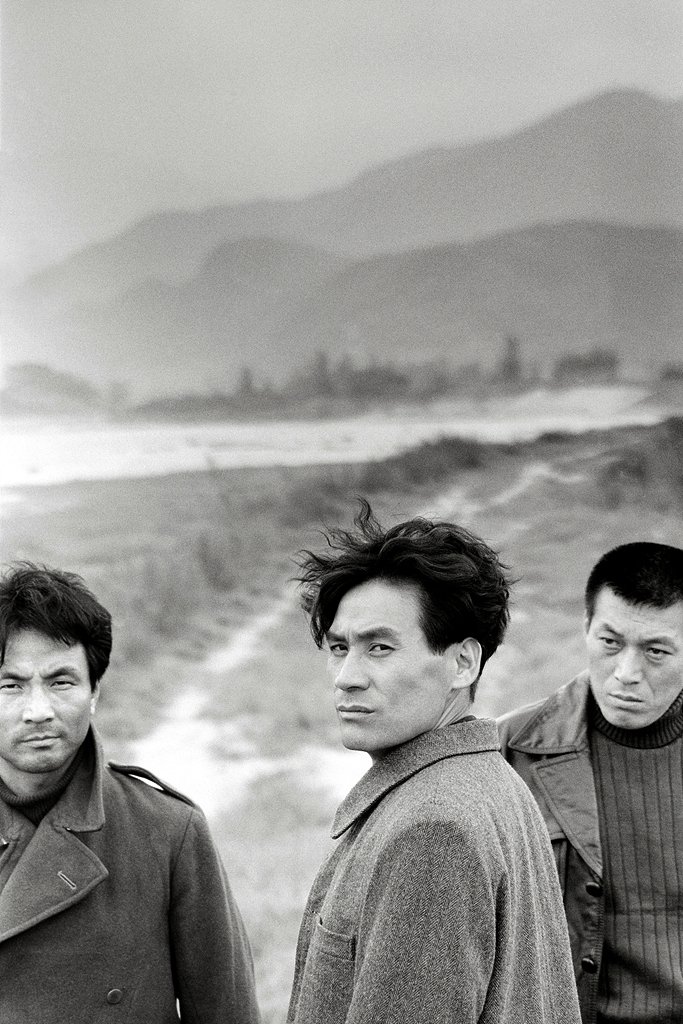
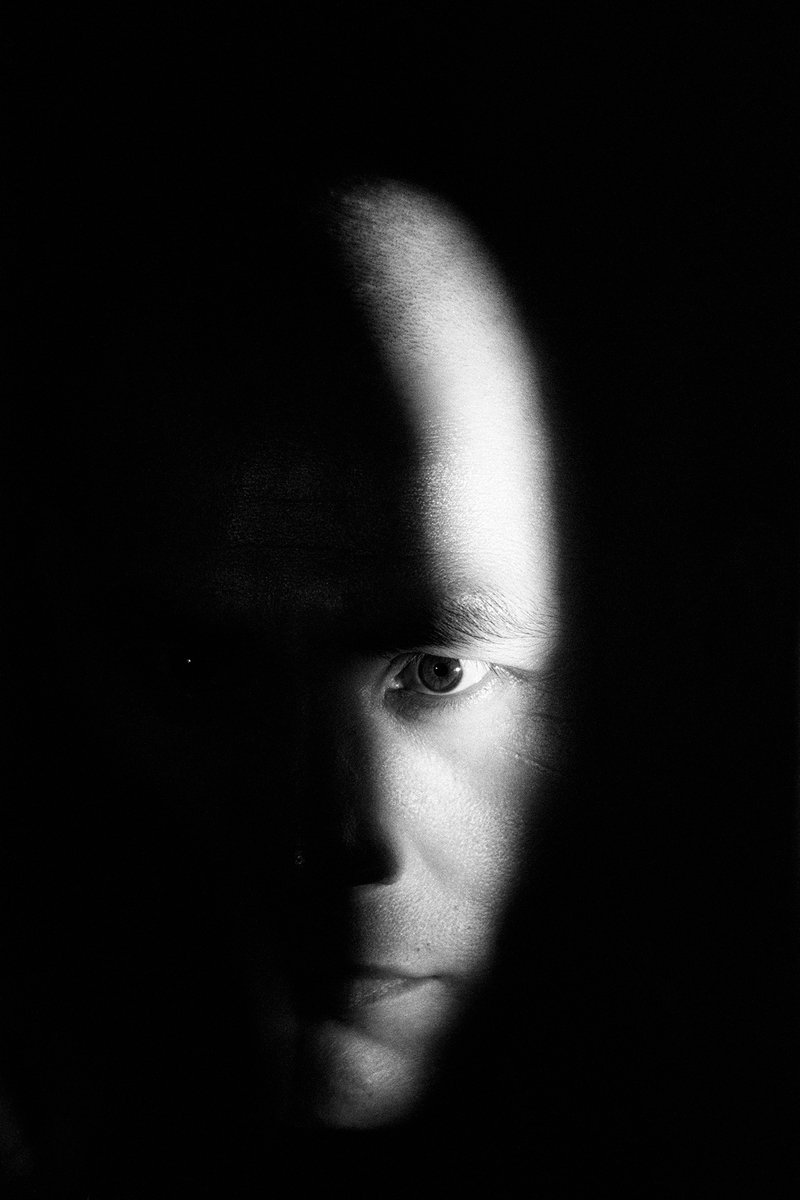

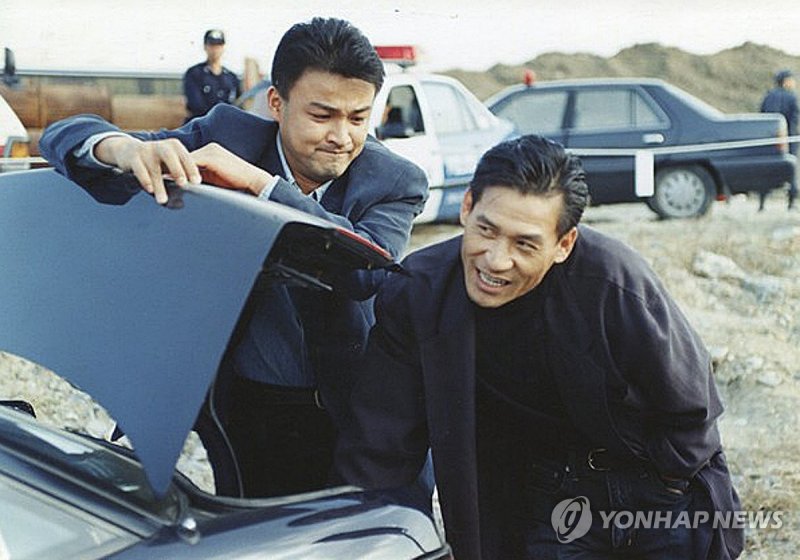
Over his long acting career, the late actor lifted countless trophies. He won Best Actor and other acting prizes about 40 times at various domestic film festivals. Notably, he is recorded as the only actor to have received leading actor awards from the 1980s through the 2010s. He also twice won Best Actor at the Asia-Pacific Film Festival (APFF) for "Our Joyful Young Days" and "White Badge."
He received the Order of Cultural Merit (3rd class) in 2005 and the Silver Crown Order of Cultural Merit (2nd class) in 2013, and in 2024 he was elected a member of the National Academy of Arts, Republic of Korea. On the 5th, when news of his passing broke, he was posthumously awarded the Geumgwan Order of Cultural Merit (1st class) in recognition of his contribution to expanding the social and cultural reach of Korean cinema.
Beyond his work as an actor, he also served as chair of the Korean Film Actors Association and co-chair of the Emergency Committee Against Screen Quota Reduction, taking the lead in protecting the rights and interests of the film industry. He was also active in public service, including as a goodwill ambassador for the Korean Committee for UNICEF.
President Lee Jae-myung wrote on social media, "I offer my deepest condolences on the passing of Ahn Sung-ki, who left an indelible mark on the history of Korean cinema and on culture and the arts as a whole."
His burial site will be Byeolgeurida Dada Cemetery in Yangpyeong.
jashin@fnnews.com Shin Jin-a Reporter