National Pension Payments to Increase by 2.1% Due to Inflation; Subscribers to Pay Higher Premiums
- Input
- 2026-01-06 09:44:49
- Updated
- 2026-01-06 09:44:49
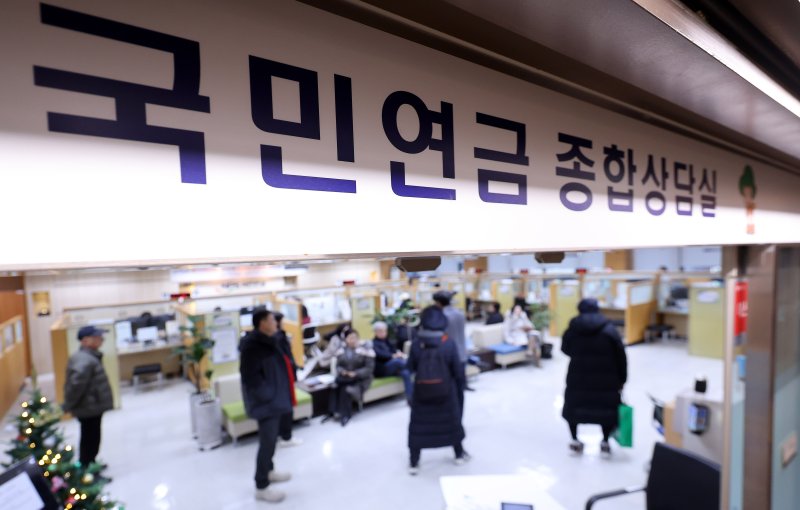
[Financial News] Starting this year, National Pension Service (NPS) payments will increase by 2.1%. This adjustment reflects last year’s consumer price inflation and will be applied for one year until December. At the same time, the contribution rate for NPS subscribers will rise from 9% to 9.5% of monthly income.
According to the Ministry of Health and Welfare and the NPS on the 6th, under relevant laws, all public pension recipients, including NPS, will receive payments that are 2.1% higher than last year starting January 2026.
The NPS adjusts its payments annually based on the previous year’s consumer price index, as stipulated by the National Pension Act, the Public Officials Pension Act, and other related laws. This adjustment aims to ensure stable retirement income for recipients by offsetting the decline in real value caused by inflation. This benefit is unique to public pensions, including the Public Officials Pension, Teachers' Pension, and Military Pension.
As a result, this year, old-age pension recipients will receive an average monthly payment of 695,958 won, up 14,314 won from last year’s average of 681,644 won as of September.
Recipients who receive higher old-age pensions will see a larger increase. For example, the highest monthly payment will rise by about 67,000 won, from 3,185,040 won to 3,251,925 won.
The Basic Pension for seniors in the bottom 70% income bracket will also increase by 7,192 won, from 342,514 won to 349,706 won per month.
This payment increase will also apply to special occupational public pensions, including the Public Officials Pension, Teachers' Pension, and Military Pension.
Noticeable increases in pension payments due to inflation have occurred since 2020. With inflation rates reaching 5.1% in 2022 and 3.6% in 2023, pension payments have risen sharply. In the mid-2010s, inflation was only 0–1%, so increases in pension payments were less noticeable.
Meanwhile, as the NPS system has been revised for the first time in 18 years, the contribution rate will rise to 9.5% starting this year.
For example, an employee with a monthly income of 3,090,000 won will pay 146,700 won in pension contributions starting in January, an increase of 7,700 won from last year. Regional subscribers who pay the full amount themselves will pay 15,400 won more. The contribution rate will increase by 0.5 percentage points each year for eight years, eventually reaching 13%.
The income replacement rate, which determines the proportion of income received as pension, will also increase from 41.5% to 43% for those eligible to receive NPS payments this year.
[email protected] Jung Sang-geun Reporter