Judiciary Establishes Regulations to Ensure Judicial Access for Persons with Disabilities, the Elderly, and Pregnant Women... To Take Effect Next January
- Input
- 2025-12-29 11:10:46
- Updated
- 2025-12-29 11:10:46
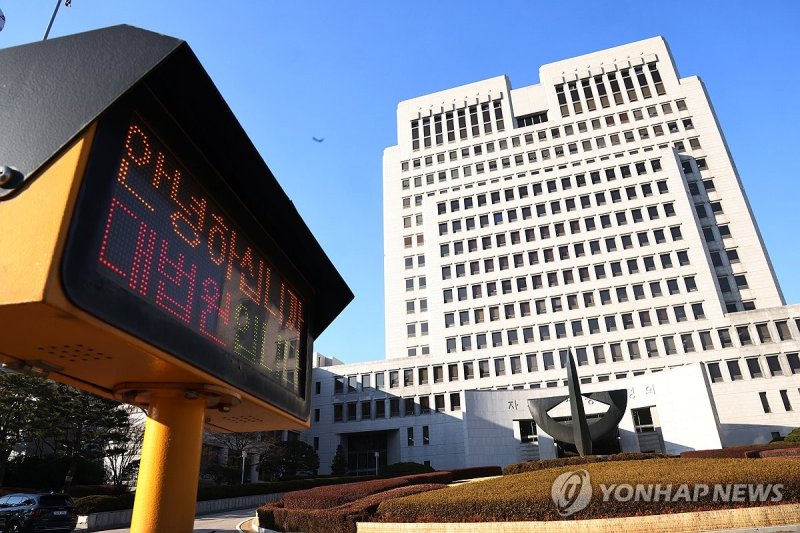
[Financial News] The Judiciary has established an institutional foundation to effectively guarantee judicial access for socially disadvantaged groups, including persons with disabilities, the elderly, and pregnant women.
The National Court Administration announced on the 29th that the 'Regulations on Judicial Access and Support for Persons with Disabilities, the Elderly, Pregnant Women, etc.' will take effect starting January 1, 2026.
Enacted on the 17th, these regulations serve as an internal norm to ensure that socially disadvantaged individuals, such as persons with disabilities, can access trials and judicial services on an equal footing with others. The aim is to operate the judicial support system more systematically and consistently. Although the Judiciary has previously provided conveniences and support systems for persons with disabilities, these efforts were limited to individual guidelines and criticized for lacking effectiveness.
The Supreme Court of Korea introduced the 'Judicial Support Guidelines for Persons with Disabilities' in 2013 and revised them in 2020. However, the Committee on the Rights of Persons with Disabilities (CRPD) has continued to recommend that the Korean government ensure these guidelines have 'substantial legal effect and are effectively implemented.'
The enactment of these regulations reflects such recommendations from the international community and is significant as the first case among government agencies to establish general internal norms for providing accommodations to persons with disabilities and others.
The regulations do not limit judicial support to persons with disabilities alone, but broadly include individuals who face barriers to judicial access due to illness, injury, advanced age, pregnancy, or childbirth. They also clearly define the procedures and scope of services covered by judicial support, as well as specific requirements for facilities, information accessibility, and the provision and management of assistive devices that courts must prepare in advance.
Additionally, the functions and operation of institutions such as the Access to Justice Center, the roles of judicial support organizations, and related education and training systems are specified. The regulations also establish procedures for judicial support during civil petition processing and trials, and provide a basis for compensating assistants who help with mobility or communication. Detailed support methods tailored to different types of disabilities are also stipulated.
During the process of drafting the regulations, the National Court Administration gathered extensive feedback from persons with disabilities and Disabled People's Organizations. By operating the 'Judicial Support Research Group for Persons with Disabilities and Other Socially Disadvantaged Groups,' which included legal professionals with disabilities, activists from Disabled People's Organizations, and relevant agency staff, the effectiveness of the system was enhanced.
Through these regulations, the National Court Administration aims to enhance the consistency and effectiveness of judicial support policies and to create an environment where everyone can exercise their constitutional right to a fair trial without discrimination. An official from the National Court Administration stated, "We will continue to advance the judicial support system to ensure that persons with disabilities and others can truly enjoy judicial access rights."
[email protected] Choi Eun-sol Reporter