[Editorial] Soaring Exchange Rates and Rising Prices Squeeze Ordinary Citizens’ Livelihoods
- Input
- 2025-12-25 18:19:25
- Updated
- 2025-12-25 18:19:25
Perceived inflation has become unstable in the second half of the year as labor costs, rent, and public utility fees have all increased. The high exchange rate has further accelerated this trend. According to the Korea Consumer Agency (KCA), the average price of eight popular restaurant menu items in Seoul last month rose by 3–5% over the past year. The price increases were especially steep for dishes favored by ordinary people, such as Gimbap, Kal-guksu, and Korean set menu with kimchi stew.
The average price of Gimbap rose from 3,500 won a year ago to 3,700 won last month, a 5.7% increase. Kal-guksu prices also climbed nearly 5%, with the average price now approaching 10,000 won. The price increases for Korean set menu with kimchi stew and Samgye-tang both exceeded 4%. In many places, the base price of Samgye-tang has already surpassed 20,000 won. Not only dining out, but also service fees such as laundry, beauty salons, lodging, and public baths have all risen across the board. Life is inevitably becoming more difficult for ordinary citizens.
Because the domestic market relies heavily on imports for raw materials, energy, and food, any rise in the exchange rate is quickly reflected in prices. There is growing concern about future increases in food and utility costs. If high exchange rates and inflation persist for a prolonged period, domestic demand will freeze again and economic growth will be threatened. This is why the government launched strong verbal intervention in the foreign exchange market on the 24th.
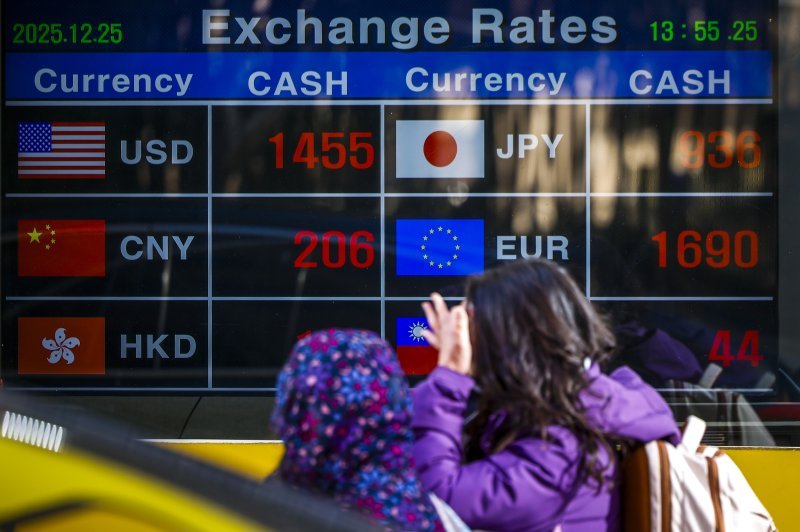
A government official made a strong statement, declaring, "You will witness the government’s firm determination and policy execution capabilities." In addition, the government announced the 'Tax Support Measures for Domestic Investment and Foreign Exchange Stability,' which includes a one-year exemption from capital gains tax on overseas stock investments by Korean individual investors investing in overseas stocks. The previous day, the US Dollar–South Korean Won exchange rate reached 1,483 won, the highest in about eight months since April 9, which had marked a post-financial crisis peak. Although the exchange rate plummeted and stabilized following government intervention, without fundamental solutions, there remains a risk of another surge.
While the government’s verbal intervention and tax incentives for Korean individual investors investing in overseas stocks are meaningful steps to calm the exchange rate, they are only short-term responses. Pressuring companies to convert dollars is also of limited help. The fundamental reason for the dollar shortage is that the economy’s underlying strength is insufficient. Comprehensive measures are needed to address prolonged low growth below potential, weakened corporate competitiveness, and reckless fiscal expansion. Sustainable exchange rate stability must be pursued with patience and perseverance.