[fn Editorial] Higher Wages Than Japan and Taiwan—Productivity Must Rise Accordingly
- Input
- 2025-12-23 18:33:17
- Updated
- 2025-12-23 18:33:17
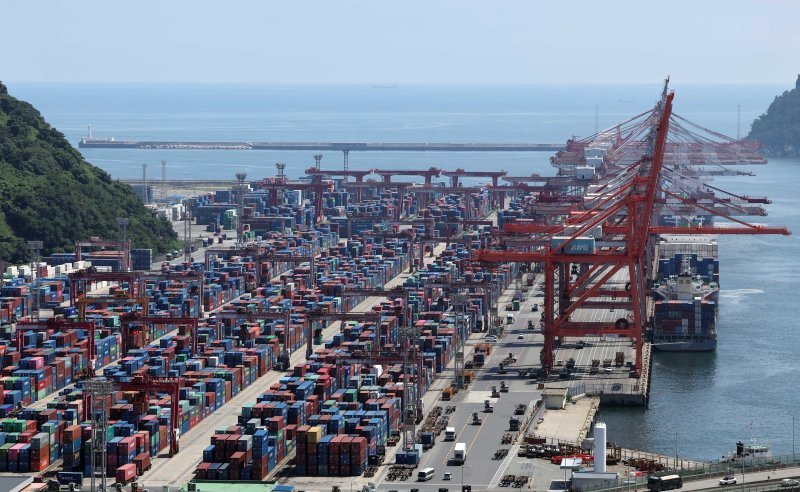
According to the 'International Comparison of Wage Status in Korea, Japan, and Taiwan' report released by the Korea Enterprises Federation (KEF) on the 23rd, last year’s Korean wages were over 20% higher than those in the two countries, even after adjusting for purchasing power parity. The annual total wage for regular employees in Japan (excluding overtime pay) was $52,782, while in Korea it was $65,267—a difference of 23.7% in Korea’s favor. In 2011, the wages in Korea and Japan were similar at around $39,000, and Korea’s manufacturing wages were even lower than Japan’s. Compared to Taiwan (including overtime pay), Korea’s wages were about 5% higher in 2011, but by last year, the gap had widened to 16.2%.
This widening gap is due to Korea’s wage growth rate far outpacing that of the other two countries in recent years. From 2011 to last year, wages in Japan rose by 34%, while Korea’s increased by a remarkable 64%. The trend is similar when compared to Taiwan: while Taiwan’s wages rose by 54% during the same period, Korea’s soared by 70%. Wages at large corporations in Korea were 58.9% higher than those in Japan, and manufacturing wages were 27.8% higher. The figures for Taiwan are not much different. The significant wage premium in Korea’s large corporations and manufacturing sector is largely attributed to the influence of powerful labor unions.
While it is reasonable for a company’s growth and profits to be fairly distributed among workers, excessive wage increases can bring about various negative side effects. The polarization between regular employees at large conglomerates and non-regular workers at small businesses is becoming increasingly serious. Moreover, Korean manufacturing is already losing ground to China’s technological advances in key sectors. The aggressive push from Taiwan, which positions itself as the heart of Artificial Intelligence (AI), and Japan’s efforts to revive its semiconductor industry, also pose significant challenges.
Korea must once again demonstrate determination in traditional manufacturing and further solidify its leadership in advanced industries. It will not be easy to outcompete rival nations with excessive labor costs and low productivity. The high level of regulation in advanced and emerging industries is also a major obstacle.
According to the 'Recent Regulatory Innovation Policy Expert Survey' released by the Korea Employers Federation (KEF) on the same day, 77% of over 200 economics and public administration professors nationwide responded that Korea’s corporate regulatory environment is stricter than that of competing nations such as the United States of America (USA), China, and Japan. Only 4% said the regulatory level was lower. Although the government has consistently called for regulatory reform, its effectiveness has been questioned. More than 60% of experts suggested that an urgent shift to a ‘negative regulation’ system (where everything is permitted except for specific prohibitions) is needed. Reasonable wage increases, dramatic improvements in productivity, and bold regulatory reforms are desperately needed.