[Editorial] KTX-SRT Integration: Countermeasures Needed for Anticipated Side Effects
- Input
- 2025-12-22 18:37:39
- Updated
- 2025-12-22 18:37:39
While the Government of South Korea emphasizes the positive effects of integration, there are many factors that require a sober assessment. The government claims that integration will add 16,690 seats per day on weekends and save 40.6 billion won in annual redundant costs. There is also talk of a possible 10% discount on KTX fares. But is increasing the number of seats truly impossible under the current system? And is it realistic to expect cost savings from integration without workforce restructuring? A rigorous analysis is essential to compare the effects before and after integration.
A particularly concerning issue is the inefficiency that could result from reverting to a monopoly. It is worth recalling the original rationale for separating KTX and SRT. At that time, the Government of South Korea introduced a competitive system to improve operational efficiency and to prevent the paralysis of national infrastructure caused by union strikes. The idea was that if one side went on strike, the other could continue operations, minimizing inconvenience to the public. What will happen if they are merged again? Competition will diminish, and management may become complacent, leading to a decline in efficiency. This tendency is especially pronounced in public enterprises. The competitive system was introduced to instill a sense of urgency in both organizations and to prevent such pitfalls. Can the government truly prevent the negative consequences of returning to an integrated monopoly?
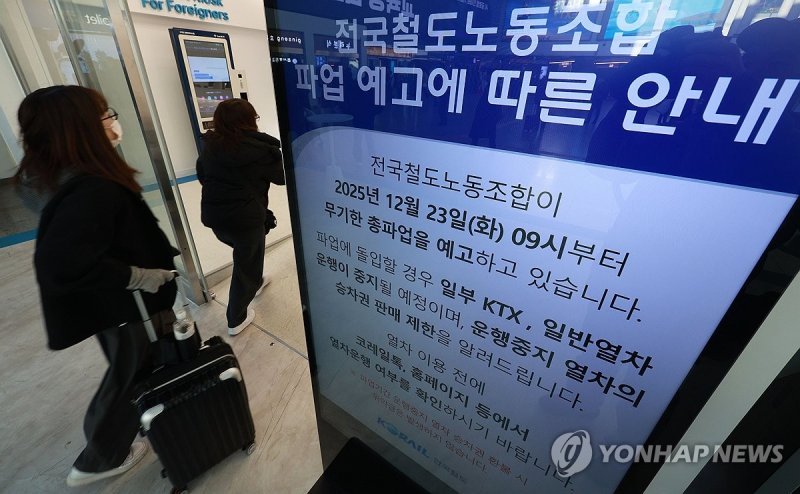
An even more serious problem is the risk of union strikes. A unified union would control the entire high-speed rail network, and the Government of South Korea must answer what alternatives exist if a strike occurs. The current general strike plan by the railway union is a preview of what could happen after integration. If the union’s influence grows and an actual strike takes place, the entire high-speed rail system could come to a halt simultaneously. With no alternatives in place, management would be left at the mercy of union demands, and the resulting damage would fall squarely on the public.
Instead of hastily pushing for integration, the Government of South Korea must first provide clear answers to the core issues. If high-speed rail integration is truly necessary, it must be accompanied by a thorough benefit analysis and comprehensive countermeasures for anticipated side effects, all of which should be transparently communicated to the public. At present, preparations are insufficient and the rationale is unconvincing. Railways are a vital national infrastructure, akin to the lifeblood of the country. Any integration must prioritize public safety and convenience above all else.