Are They a Baseball Team or an Export Company? 'Merchant' Kiwoom Earns a Staggering 77 Billion Won Solely Through MLB Postings
- Input
- 2025-12-22 13:13:09
- Updated
- 2025-12-22 13:13:09

[Financial News] Once again, the Kiwoom Heroes of professional baseball have demonstrated their prowess as true 'merchants.'
With star hitter Sung-mun Song (29) officially making the move to Major League Baseball, Kiwoom is set to receive another substantial financial windfall. The player achieves his dream of playing on the big stage, while the club secures a massive payout—an exemplary 'Heroes-style Win-Win' model.
According to AP and other local media on the 22nd (Korean time), Sung-mun Song signed a four-year contract worth a total of $15 million (about 22.2 billion won) with the San Diego Padres. The biggest beneficiary of this deal is undoubtedly his former team, the Kiwoom Heroes.
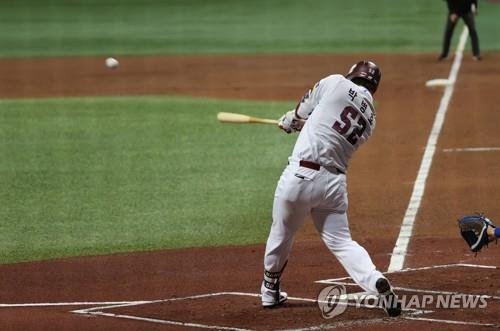
Under the Korea-US player contract agreement, if the guaranteed contract amount is less than $25 million, the transfer fee is set at 20% of the total. Based on this, Kiwoom immediately secured $3 million (about 4.4 billion won), which is 20% of Sung-mun Song's $15 million guaranteed contract.
But that's not all. Depending on the contract's detailed clauses, Kiwoom could earn even more. If the mutual option for 2030 (with a salary of $7 million) is exercised, Kiwoom will receive an additional $1.4 million, which is 20% of that salary. Furthermore, if incentives tied to Rookie of the Year, MVP voting, and other achievements (up to $6 million) are met, Kiwoom can collect up to 15% of those incentives as extra revenue.
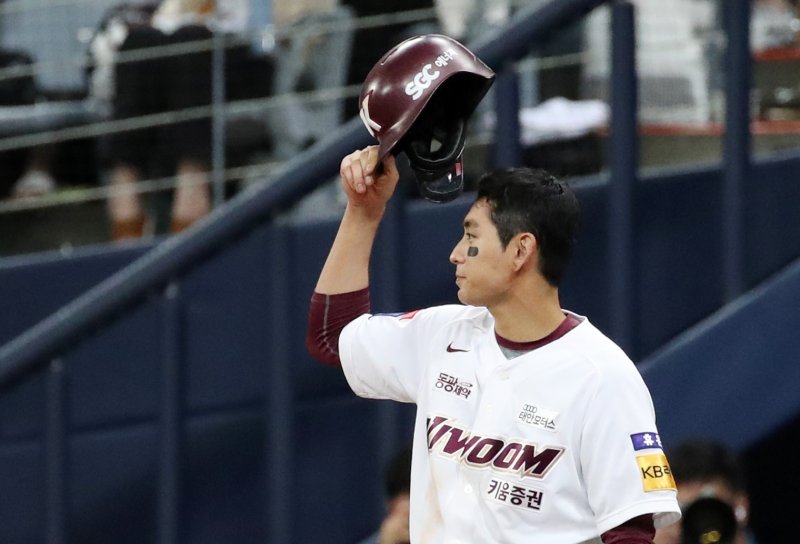
If all options are fully met, the total transfer fee Kiwoom could earn from Sung-mun Song alone would reach a staggering $5.3 million (about 7.8 billion won).
With Sung-mun Song's transfer, the Kiwoom Heroes have set an unprecedented record for transfer fee earnings in KBO League history. Starting with Jung-ho Kang (Pittsburgh Pirates) during their Nexen Heroes era, followed by Byung-ho Park (Minnesota Twins), Ha-seong Kim (San Diego Padres), Jung Hoo Lee (San Francisco), Hyeseong Kim (Los Angeles Dodgers), and now Sung-mun Song, the club has sent six position players to the United States through the posting system.
The cumulative transfer fees Kiwoom has earned (or will earn) from these players are astonishing. Adding up Jung-ho Kang (about $5 million), Byung-ho Park ($12.85 million), Ha-seong Kim ($5.52 million), Jung Hoo Lee (up to $18.82 million), Hyeseong Kim (up to $4.65 million), and the projected earnings from Sung-mun Song, the total approaches $52.15 million (about 77 billion won). That’s an annual revenue comparable to that of a mid-sized company, earned solely through player transfer fees.
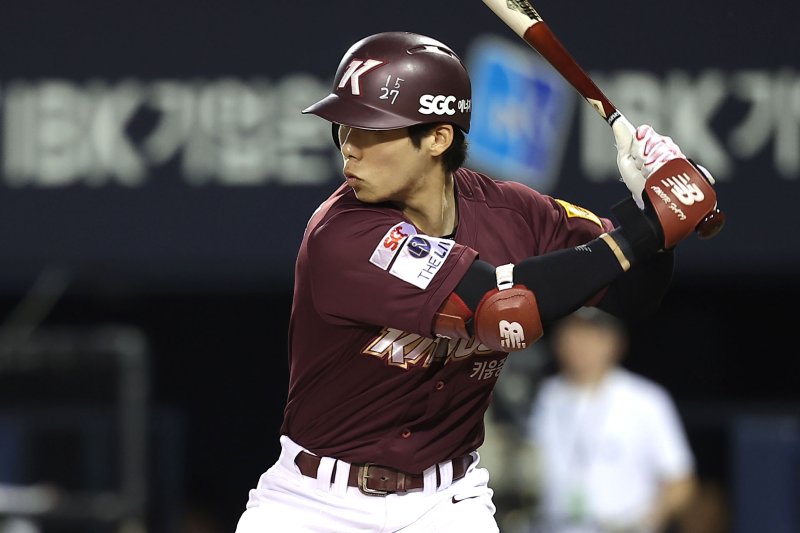
Of course, Kiwoom’s approach is not without its downsides. Alongside the 'bright' side, there is a significant 'shadow.'
Although it is the fate of a naming-sponsor club operating without a parent company’s support, criticism persists that the club is merely surviving by selling off its top players overseas every year.
Fans, in particular, feel a deep sense of deprivation. While the club earns astronomical profits through the posting system, the total team payroll repeatedly fails to meet even the minimum Salary Cap set by the KBO League—a structural abnormality.
This is why the label of 'stingy management'—not reinvesting earnings into strengthening the roster—continues to follow the club.
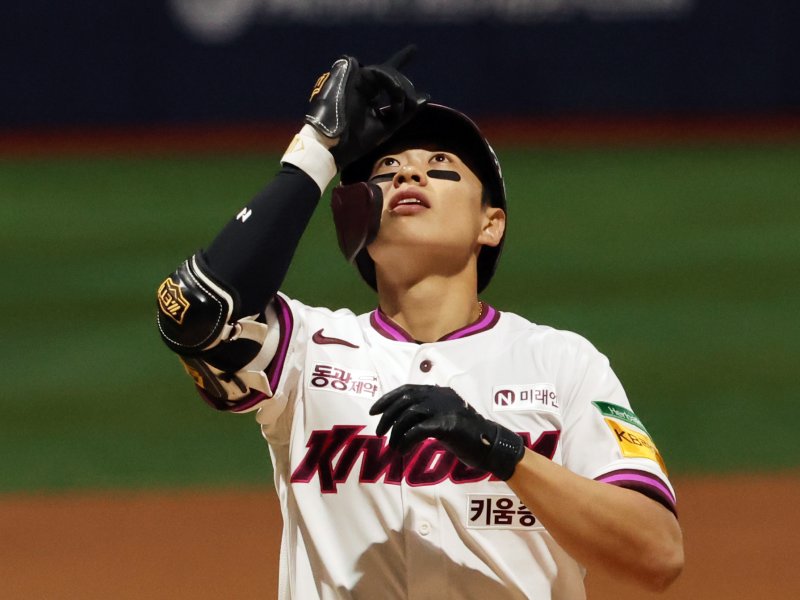
Nevertheless, the survival strategy demonstrated by Kiwoom in the capital-driven world of professional sports is noteworthy. Unlike other clubs that rely on parent company support, Kiwoom has established a 'self-sustaining business model' by developing players internally, exporting them to Major League Baseball, and operating the club with those profits.
Although the club is simultaneously mocked as a 'selling club' and praised as a 'pioneering team,' Sung-mun Song’s move to San Diego stands as further proof of the Kiwoom Heroes’ unique survival strategy in the KBO League.
jsi@fnnews.com Jeon Sang-il Reporter