EU Expands CBAM Scope to Automotive Parts and Home Appliances... MOTIE: 'Continued Response Based on Industry Dialogue'
- Input
- 2025-12-18 12:09:11
- Updated
- 2025-12-18 12:09:11
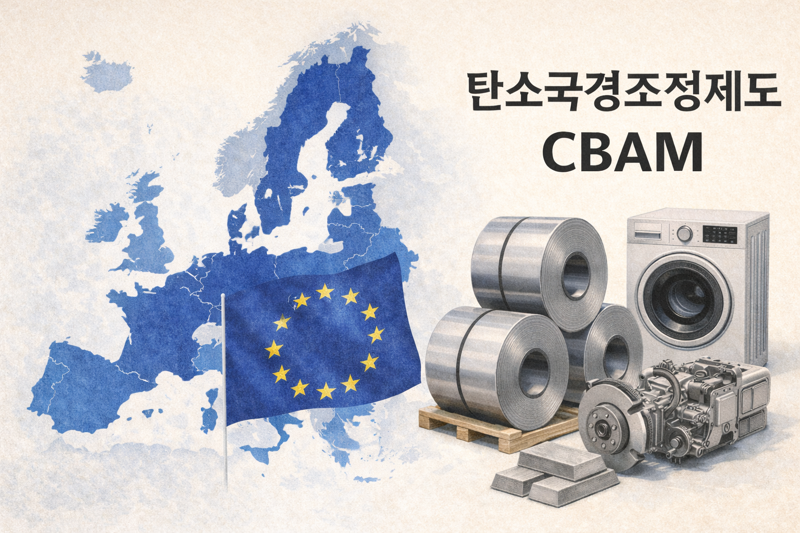
On the 18th, the Ministry of Trade, Industry and Energy (MOTIE) held a roundtable to listen to industry concerns and suggestions following the EU's announcement on the 17th regarding the expansion of CBAM-covered items, and to discuss possible responses.
CBAM, which will be implemented by the EU starting January 1 next year, imposes the same carbon standards on products manufactured outside the EU as those produced within the bloc. Products that exceed these standards will incur additional costs. Currently, the main items subject to CBAM include steel, aluminium, cement, fertilizer, electricity, and hydrogen.
From January 1 next year, Korean exporters will be required to calculate and verify the emissions of their products. While the purchase of certificates based on emissions is technically the responsibility of European importers, exporters may also share in these costs.
MOTIE stated, "Through ongoing negotiations with the EU to ease the burden on Korean companies, the purchase of CBAM certificates for 2026 has been postponed to 2027, and certificate requirements have been relaxed. In addition, new exemption criteria for small importers have been introduced, allowing Korean companies trading with small-scale partners to be temporarily exempt from certificate requirements."
According to the EU's announcement on the 17th, the scope of CBAM will be further expanded from 2028 to include items with high steel and aluminium content. These will cover automotive parts, machinery parts, refrigerators, washing machines, clothes dryers, and stranded steel wire.
Based on discussions at the roundtable, MOTIE plans to continue consultations with the EU to reduce the burden on industries affected by the expanded scope.
Jungseong Park, Deputy Minister for Trade at MOTIE, stated, "We will closely examine whether the expansion of CBAM-covered items could act as a disguised trade barrier. However, since the government has actively engaged with the EU to ensure that industry concerns are reflected in the system, we will continue these consultations going forward."
Deputy Minister Park also urged domestic industries subject to CBAM to prepare for the changes, adding, "The government will continue to engage with the industry, regularly review and improve its support programs."
[email protected] Kim Jun-hyuk Reporter