[Editorial] Japan’s Rate Hike Imminent: Vigilance Needed Against Potential Financial Shocks
- Input
- 2025-12-17 18:31:49
- Updated
- 2025-12-17 18:31:49
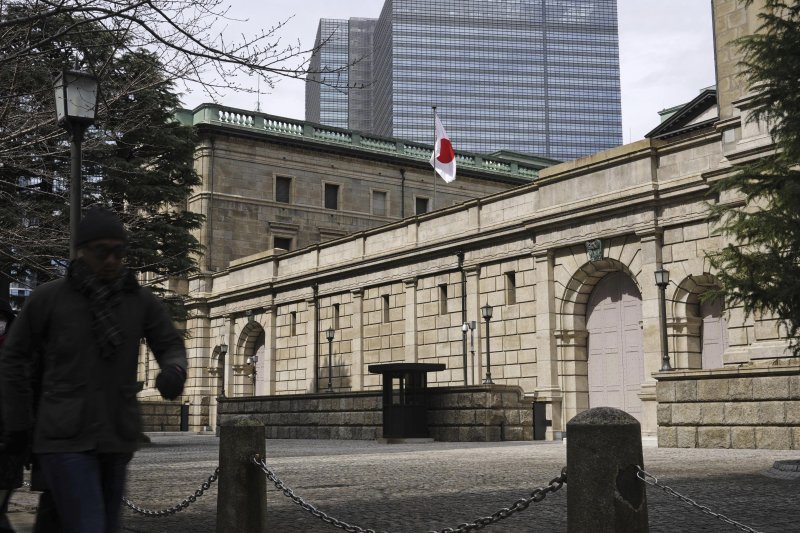
Japan’s interest rate history has been defined by a prolonged battle with deflation. Following the asset bubble collapse around 1990, the BOJ adopted an ultra-low interest rate policy to stimulate the stagnant economy. In 2016, it even introduced negative rates to counter persistent domestic sluggishness. However, as inflation picked up, the BOJ ended negative rates in March last year and declared a normalization of monetary policy. Subsequently, it raised rates to 0.25% in July last year and to 0.5% this January, and is now poised for another increase.
The BOJ’s accelerated move toward rate hikes is driven by inflationary pressures stemming from a prolonged weak Japanese yen. With a persistently weak yen, consumer prices are bound to rise, making policy intervention increasingly necessary. Wage growth exceeding 5% last year and this year, with similar expectations for next year, further supports the case for higher rates. While some industries have been affected by tariff pressures from the United States of America (USA), the overall impact on the economy and prices has been less severe than anticipated, enabling policy normalization.
As Japan’s rate hike approaches, tension is rising in global financial markets. Should the rate increase trigger a stronger Japanese yen, concerns over the unwinding of yen carry trades could materialize. Funds borrowed at low rates in Japanese yen and invested in the US stock market, emerging markets, and digital assets may flow back to Japan, potentially causing financial shocks. The ‘Black Monday’ turmoil in global markets last August, following the BOJ’s rate hike in July, was also attributed to capital flows driven by a stronger yen.
Domestic financial experts believe there is no need for excessive concern over the ripple effects of Japan’s rate hike. They point out that there is not much idle capital available for speculative yen-based trading, and the Japanese government is unlikely to tolerate a rapid yen appreciation that could hinder economic recovery. However, if risk aversion among investors intensifies after the rate hike, a significant outflow of funds from the domestic stock market cannot be ruled out.
A repeat of last July’s Black Monday scenario is unlikely with this rate hike. Nevertheless, complacency is not an option. The government must closely monitor financial institutions and companies with high short-term foreign debt and foreign currency borrowings, anticipating possible abrupt shifts in capital flows. It should also prepare for a potential surge in exchange rates due to Japanese yen repatriation. Above all, clear and consistent communication is essential to prevent excessive fear from fueling speculative movements. Relying solely on optimistic scenarios could leave the country vulnerable to unexpected financial shocks.