Second Trial Begins for Collective Lawsuit over Galaxy S22 GOS Performance Degradation... Court Proposes Compensation Adjustment
- Input
- 2025-12-17 11:29:23
- Updated
- 2025-12-17 11:29:23
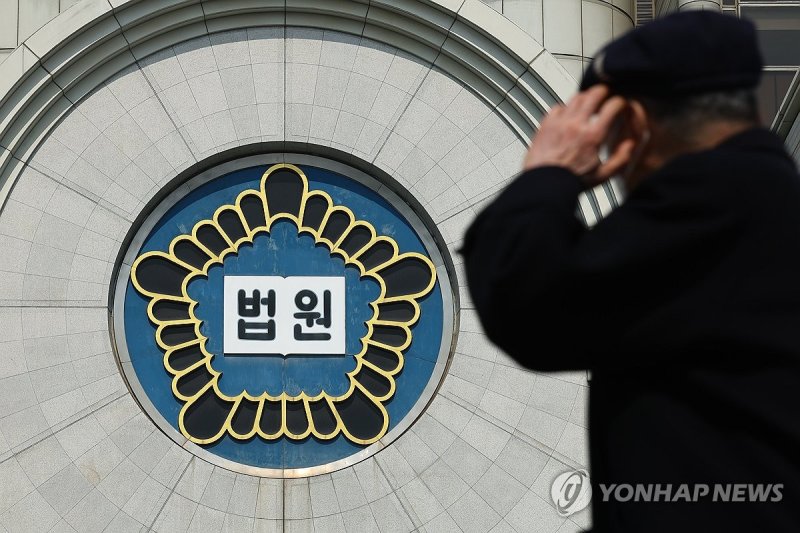
[Financial News] The appellate panel overseeing the collective lawsuit filed by Samsung Galaxy S22 smartphone users, who claim that Samsung Electronics failed to disclose the mandatory installation of the Game Optimization Service (GOS) feature that reduced device performance, has proposed a settlement involving compensation.
On the 17th, the Civil Division 12-1 of the Seoul High Court (Presiding Judges Jang Seok-jo, Bae Gwang-guk, and Kim Yong Seok) held the first appellate hearing for the damages suit filed by over 1,600 Samsung Galaxy smartphone users against Samsung Electronics. About 200 plaintiffs have withdrawn from the original claim.
The appellate court summarized that the lower court found Samsung Electronics' conduct to be misleading advertising but did not recognize liability for damages. The court stated, "The plaintiffs appealed, while the defendant (Samsung Electronics) intends to contest the finding of unlawful conduct, even though the outcome was favorable to them."
Taking into account that the lower court acknowledged some misleading advertising by Samsung Electronics, the appellate panel suggested a settlement in the form of compensation to both parties.
The court explained, "This is not an admission of illegal conduct by the defendant. If the parties agree, the statement could specify that 'the defendant bears no legal or factual fault but will provide compensation for declaratory and moral reasons,' which may address the defendant's concerns about being found at fault."
In response, Samsung Electronics' legal representative objected, stating, "Although we prevailed in the first trial, there are aspects of the ruling that need to be corrected," and argued that any finding of liability against Samsung Electronics should not be maintained.
On the other hand, the plaintiffs' representative conveyed their willingness to settle after consulting with the lead plaintiffs. They referenced the appellate ruling that recognized Apple’s liability for the 'intentional iPhone battery performance degradation' case and requested compensation of 70,000 won per plaintiff.
The court responded, "The amount in the Apple case was determined by judgment, and some flexibility is needed." The court urged the plaintiffs to gather reasonable opinions from all members rather than insisting on the same amount.
The court scheduled a mediation session for January 7 next year to discuss concrete settlement terms. Until then, further hearings will be postponed, and both parties are to submit their detailed opinions on the proposed settlement in writing.
This lawsuit stems from controversy over the mandatory installation of the Game Optimization Service (GOS) in the Samsung Galaxy S22, released in 2022, which allegedly limited device performance. GOS is designed to regulate smartphone performance to prevent overheating and excessive power consumption during high-end gaming, but Samsung Electronics was criticized for applying it without user consent, resulting in reduced performance.
In March 2022, Galaxy smartphone users filed a lawsuit seeking 300,000 won per person in damages, claiming that Samsung Electronics engaged in misleading advertising by promoting the Samsung Galaxy S22 as having top performance and being able to run high-end games smoothly, despite limiting performance with GOS. They also argued that the lack of prior notice about the GOS policy infringed on consumers’ right to make informed and autonomous choices.
On June 1, the lower court acknowledged that Samsung Electronics engaged in misleading advertising. The court found that certain high-end games caused the device to operate at reduced speeds, stating, "This advertising could mislead consumers into believing they could enjoy the fastest speeds without any limitations."
However, the lower court did not recognize liability for damages, stating that the plaintiffs had not sufficiently proven actual damages or a causal link between the misleading advertising and any losses. The court also considered that some plaintiffs had purchased their devices before the GOS policy was implemented or after the performance-limiting settings had been removed via updates.
[email protected] Choi Eun-sol Reporter