[Editorial] US Cuts Interest Rates, but Monetary Policy Constrained by Exchange Rate and Housing Prices
- Input
- 2025-12-11 18:34:33
- Updated
- 2025-12-11 18:34:33
This US rate cut was prompted by signs of a slowdown in domestic employment. Experts had forecasted a job increase of around 40,000 in November, but actual employment fell by 32,000. While large corporations expanded hiring, small businesses with fewer than 50 employees saw a decrease of 120,000 jobs, indicating a more severe employment shock among small and medium-sized enterprises.
Immediately after the rate cut, financial markets responded with relief. Tech stocks rose, lifting all three major US stock indices. Concerns over capital outflows eased somewhat as the Korea-US rate gap narrowed, and the won-dollar exchange rate also stabilized. However, these short-term market reactions should not be overemphasized. Fundamental uncertainties, such as the tech stock bubble and the dollar's dominance, persist.
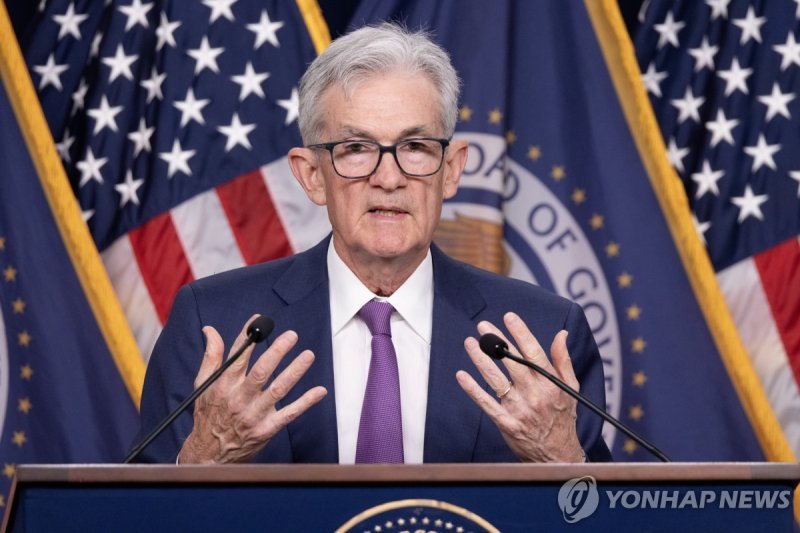
Above all, it is difficult to expect the US rate-cutting trend to continue. Jerome Hayden Powell, Chair of the Fed, stated right after the announcement, "The current base rate is within the neutral range," indicating a wait-and-see approach for the time being. Although rate cuts are typically seen as dovish, this time, the simultaneous suggestion of a possible freeze has led to the unusual assessment of a 'hawkish cut.'
The Bank of Korea (BOK) had raised its benchmark rate in recent years to combat high inflation but shifted to a rate-cutting stance last October. The BOK further lowered rates in February and May this year, bringing the rate down to 2.50%. Youth employment has declined for 19 consecutive months, and the number of people in their 30s not participating in the labor force reached an all-time high last month. Prolonged sluggishness in manufacturing and construction has led to a deterioration in job quality. Given these factors, there is room for Korea to consider additional rate cuts to boost employment capacity.
The main concerns are the exchange rate and housing prices. The won-dollar exchange rate soared to 1,477 won last month and has yet to stabilize. This is due to a surge in dollar demand as the National Pension Service (NPS), asset management firms, and individuals simultaneously pursue overseas investments. If the BOK cuts rates under these circumstances, the Korea-US rate gap could widen again, accelerating capital outflows. The current administration has implemented three rounds of real estate measures, but housing prices remain stubbornly high, making further rate cuts difficult.
The benchmark interest rate serves as a standard for financial institutions to set their rates and is a key monetary policy tool that directly affects households and businesses. To ensure that market liquidity flows into sound investment and consumption, stabilizing the exchange rate and housing prices is essential for proactive monetary policy.
The government should ease the concentration of foreign currency demand through regulations on foreign currency liquidity and address supply-demand imbalances caused by the surge in overseas investments.
In the real estate market, the government must consistently maintain tax and loan policies to temper expectations, while also continuing to expand housing supply without wavering. Only with stable exchange rates and housing prices can monetary policy effectively respond to economic conditions.