Who Tipped Off the 'Cho Jin-woong Case Record'... “It Could Have Been One of the Offenders”
- Input
- 2025-12-10 05:20:00
- Updated
- 2025-12-10 05:20:00
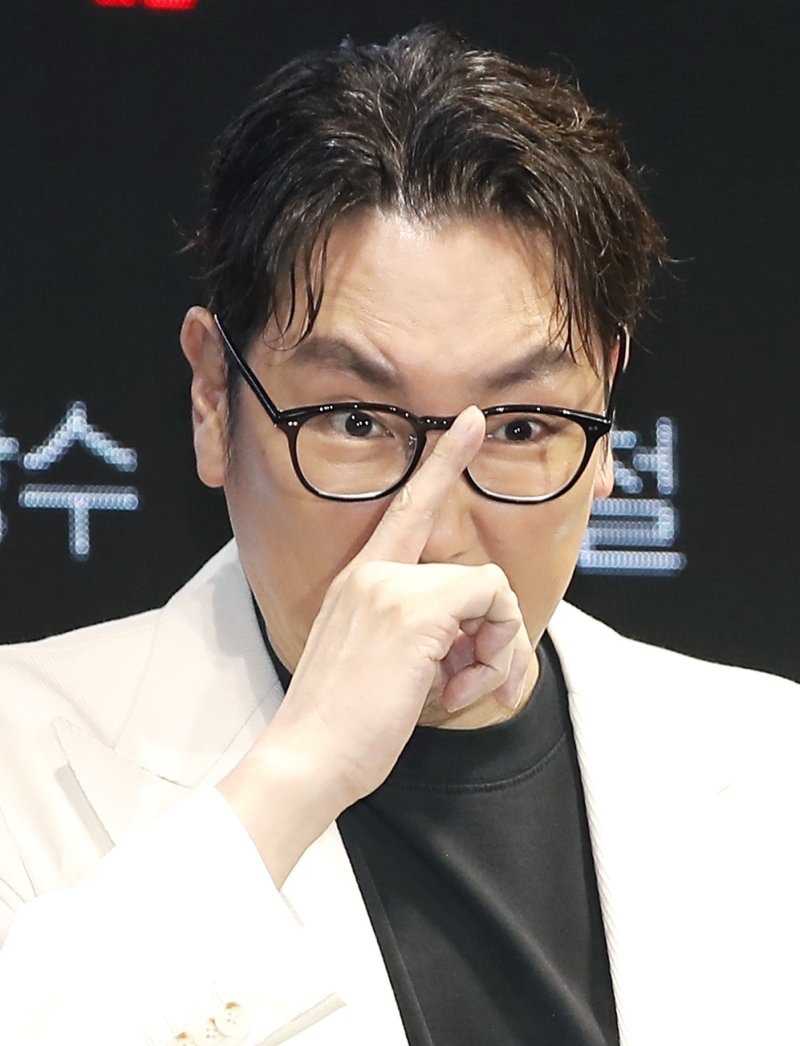
[Financial News] After an outlet reported on actor Cho Jin-woong's juvenile delinquency record, some have speculated that the tip-off may have come from someone within the group of offenders who were disciplined alongside Cho. Since juvenile court records are legally restricted and cannot be accessed by third parties, it is considered unlikely that an outsider provided the information.
Song Jeong-bin, an attorney at Geonwoo Law Firm, stated on News1TV's 'Fact & View' on the 9th, "While we cannot be certain, it is possible that one of the offenders who received protective measures along with Cho obtained the documents and delivered them to the media."
Attorney Song explained, "If the case is not your own, it is impossible to access the records. Focusing on the difficulty for third parties to view such records, it is more realistic to assume that an insider who already had the documents provided the tip-off."
Article 70 of the Juvenile Act treats juvenile court records and verdicts as official secrets, prohibiting their disclosure except for specific reasons such as trials or investigations. Violations can result in up to one year of imprisonment or a fine of up to one million won.
There was also speculation that a court official may have leaked the documents directly. However, Song Jeong-bin remarked, "It is unlikely that a court official would comply simply because information was requested."
He further questioned whether a media outlet would take the risk to obtain a court verdict.
Song added that if a court official leaked the verdict or if a reporter made such a request, both actions would be punishable under the Juvenile Act.
Song Jeong-bin also commented, "Given the nature of acting as a profession, even incidents from 30 years ago cannot be completely left behind." However, he expressed doubt that this information falls under the public's right to know.
He continued, "The right to know is a means to realize national sovereignty and fundamental rights, but it is difficult to include an individual's past criminal record within that scope. Even if the court decides it does not fall under the right to know, it would not be easy to hold the media criminally or civilly liable."[email protected] Seo Yoon-kyung Reporter