[Editorial] KTX-SRT Integration: Without Structural Reform, Inefficient Management Will Persist
- Input
- 2025-12-09 18:25:05
- Updated
- 2025-12-09 18:25:05
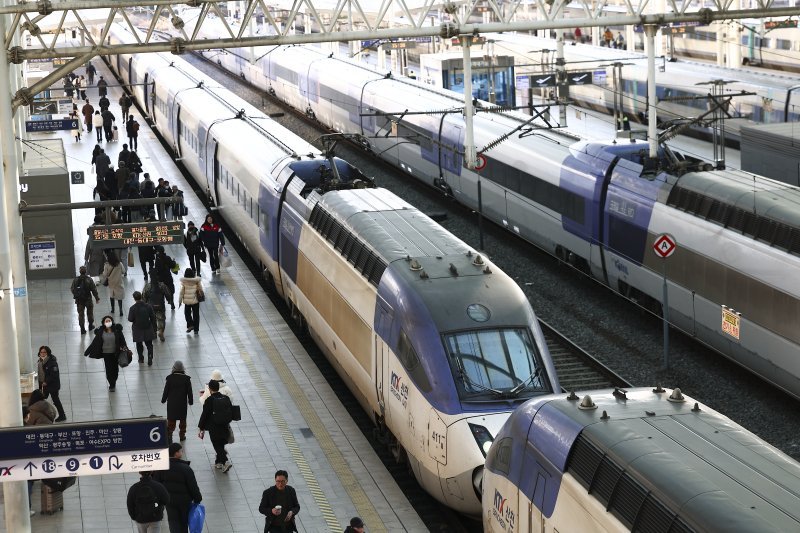
This roadmap was developed as part of President Lee Jae-myung’s pledge to 'expand public convenience through the integration of the dual high-speed rail system.' The government explained that the separation of KTX and SRT had led to seat shortages and safety concerns, making it unsustainable to maintain the divided system.
Once the two high-speed rail lines are integrated, KTX, which was previously accessible only from Seoul Station and Yongsan Station, will also be available at Suseo Station. Likewise, SRT, which could only be boarded at Suseo Station, will become accessible from Seoul Station and Yongsan Station. Starting in March next year, all stations will be searchable in the KTX and SRT ticketing applications, regardless of the operator. KORAIL announced that, following the integration, KTX fares will be reduced by about 10% to match SRT pricing. At first glance, these changes appear to enhance passenger convenience.
However, even if the short-term benefits seem significant, any customer inconvenience or negative side effects during the process will inevitably draw criticism as mere desk-bound theorizing. More importantly, the original separation of the two companies was justified on the grounds of increasing consumer convenience through competition, yet now the same rationale is being used to promote integration—a contradictory stance.
Although the KTX and SRT system has produced some competitive benefits over the past decade, operational redundancies have also led to inefficiencies. Therefore, a thorough evaluation of how SR Corporation has been managed should have preceded the search for the best alternative. The absence of such scrutiny raises concerns that the integration is being driven solely by a desire to fulfill campaign promises.
The government claims that integration will add 16,000 seats, but it is questionable whether this effect will materialize quickly. The current difficulty in obtaining train tickets is not simply due to the division of operators but is rooted in structural constraints that make it hard to add more trains. On some sections where the Gyeongbu Line and Honam Line operate together, trains already run at five-minute intervals, leaving track capacity saturated. Integration alone cannot resolve all these issues.
A more pressing concern is that the current state-run rail companies have failed to earn the public’s trust. KORAIL’s debt ratio jumped from 242.1% in 2020 to 265.4% last year, and its accumulated deficit continues to balloon. Recently, a train accident resulted in seven casualties. Without structural reform, simply enlarging the organization will only create another massive public institution. If such an entity falls into a cycle of inefficient management outside the reach of reform, the public will face not increased convenience, but greater burdens.
Around the world, competition among rail companies has naturally driven structural reforms and created a virtuous cycle of improved service quality. The coexistence of multiple rail operators is already the norm in many countries. In contrast, Korea now faces the risk that a strike after integration could halt all high-speed rail operations. It is difficult not to question whether we are turning our backs on competition and regressing to the past.