"Doctors Who Reveal Fetal Gender Will Lose Their Medical License"... This Country Takes Drastic Measures Against Gender Imbalance
- Input
- 2025-12-09 04:30:00
- Updated
- 2025-12-09 04:30:00
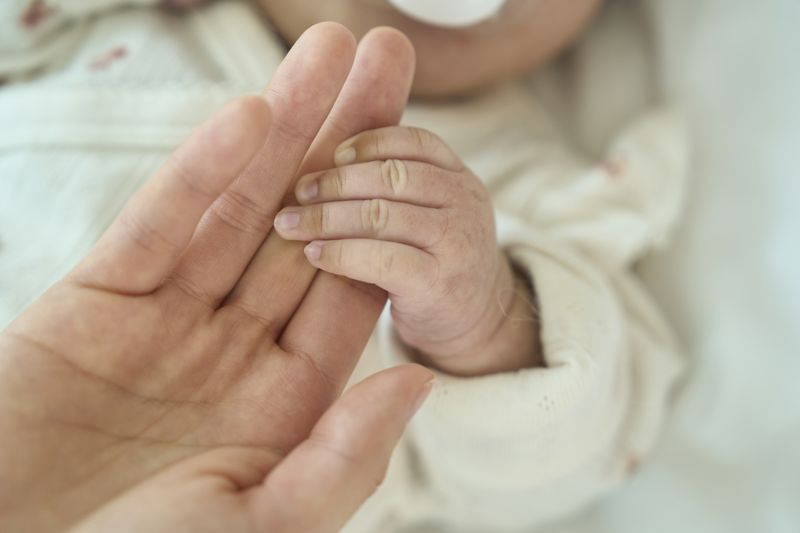
[Financial News] The Government of Vietnam has initiated a reform of its population policy to address the preference for sons and the resulting gender imbalance at birth.
According to local media such as VnExpress, the Government of Vietnam announced a comprehensive health and population program on the 25th of last month, with a total budget of 125 trillion dong (approximately 6.97 trillion won).
The program aims to reduce the birth sex ratio to below 109 boys per 100 girls by 2030 and below 107 by 2035. The birth sex ratio refers to the number of boys per 100 girls born.
According to statistics from the United Nations Population Division, Vietnam ranked fourth among 217 countries worldwide for gender imbalance in 2023. As of 2024, Vietnam's birth sex ratio stands at 111.4, significantly exceeding the natural ratio of 104–106.
Hoang Thi Thom, Deputy Director of the General Office for Population, warned, "If this trend continues, by 2034 there will be 1.5 million more men than women aged 15 to 49."
In response, the Vietnamese government announced it is considering revoking the medical licenses of doctors who disclose fetal gender and raising the administrative fine for gender selection practices from the current 30 million dong (about 1.67 million won) to up to 100 million dong (about 5.57 million won).
The root cause of Vietnam's gender imbalance is identified as a cultural preference for sons. The belief that sons are needed to carry on the family line remains strong, regardless of wealth or education level.
Last July, the Vietnamese government proposed providing cash or daily necessities to families with two daughters, especially in rural areas and among vulnerable groups, to encourage the birth of girls.
Even before national policies were implemented, some local governments such as Haiphong, Hau Giang Province, and Bac Lieu Province introduced cash incentive programs for families with two daughters, which initially produced positive results.
Mai Xuan Phuong, former Deputy Director of the General Office for Population, emphasized, "Reducing the gender imbalance at birth can only succeed when every family values sons and daughters equally as the future of the country."
[email protected] Kim Soo-yeon Reporter