912 Cases of Military Service Evasion by Disappearing Overseas, but Only 6 Prison Sentences
- Input
- 2025-12-08 08:30:54
- Updated
- 2025-12-08 08:30:54
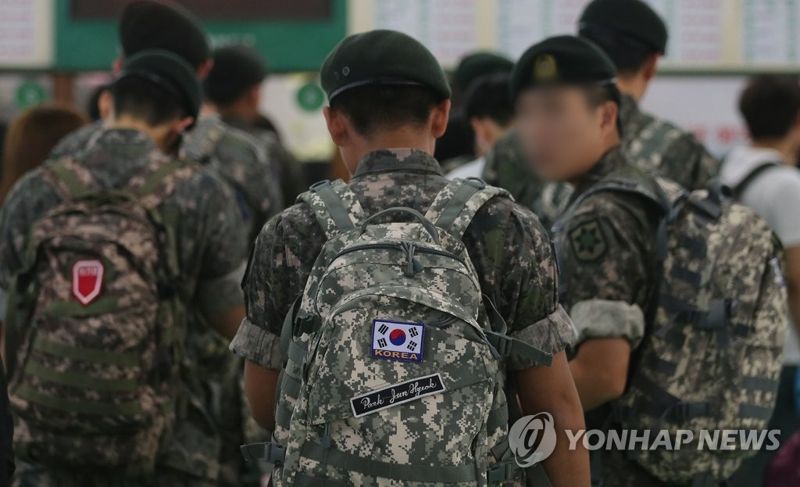
[Financial News] Over the past five years, more than 900 cases have been reported in which individuals left the country under the pretense of short-term travel and failed to return, or avoided registration as overseas Koreans to evade military service. However, only six of these cases resulted in prison sentences, raising concerns about the effectiveness of penalties.
According to data submitted by Hwang Hee, a member of the National Defense Committee of the National Assembly from the Democratic Party of Korea (DPK), the Military Manpower Administration (MMA) confirmed a total of 3,127 cases of military service evasion from 2021 to October this year. Under the Military Service Act, evasion refers to failing to comply with enlistment notices without a valid reason.
By year, the numbers were as follows: 517 in 2021, 660 in 2022, 745 in 2023, 557 in 2024, and 430 up to October 2025. This suggests that this year's total will likely match last year's figure.
By type, there were 1,232 cases of active duty enlistment evasion, 912 violations of overseas travel permits, 586 failures to undergo conscription examinations, and 397 cases of evasion of social service summons. Hwang Hee pointed out that violations of overseas travel permits, in particular, often involve leaving the country for short-term stays and not returning or avoiding overseas Korean registration, indicating a high degree of intentionality.
Despite the steady increase in violations of overseas travel permits over the past five years, only six resulted in prison sentences. Seventeen received suspended sentences, and 25 cases were suspended from prosecution. In 780 cases (85.5%), prosecution or investigation was halted.
This contrasts with the fact that 61.2% of domestic military service evaders received either prison or suspended sentences.
The MMA continues to disclose the identities of military service evaders and file criminal charges. Since July last year, it has also been able to conduct direct investigations through the authority of Special Judicial Police Officers. However, the Registration of Korean Nationals Residing Abroad Act only requires registration at diplomatic missions for those staying overseas for more than 90 days, and lacks provisions for punishing non-registration. This loophole makes it difficult to verify actual residences.
Hwang Hee stated, "Leaving the country under the pretense of short-term travel and not returning has become a major route for military service evasion," and emphasized, "Cooperation with the Ministry of Foreign Affairs and the Ministry of Justice (MOJ) must be strengthened to prevent evasion of military service by staying abroad."
[email protected] Ahn Ga-eul Reporter