Editorial: Coupang Micro Enterprises Also Suffer Losses, Executives Sell Shares Amid Crisis
- Input
- 2025-12-04 19:28:59
- Updated
- 2025-12-04 19:28:59
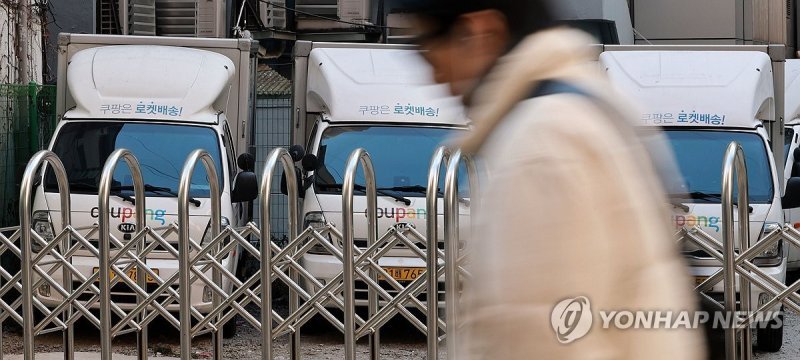
Currently, about 75% of businesses registered on Coupang are micro enterprises. As of 2023, approximately 230,000 micro enterprises traded with Coupang, with transaction volumes reaching 12 trillion won. Given the dominance of e-commerce, this scale has likely grown even larger. After the data breach, many micro enterprises are contemplating moving to other online marketplaces. However, it is difficult to be assured that other platforms are free from the risk of data leaks. For micro enterprises, operating without online sales is nearly impossible, leaving them with no clear solution.
Meanwhile, it has been reported that Coupang's current and former executives sold large amounts of shares before the data breach became public. According to the United States Securities and Exchange Commission (SEC), Coupang's current Chief Financial Officer (CFO) sold shares worth approximately 3.2 billion KRW on the 10th of last month, and a former Vice President sold about 1.1 billion KRW worth of shares on the 17th. Coupang initially reported the leak of information for 4,500 users on the 18th, and officially confirmed the leak of 33.7 million accounts on the 29th of the same month.
Coupang claims that the executives’ share sales were conducted in compliance with relevant U.S. regulations and that the sales occurred before they became aware of the incident. However, given the sensitive timing, it is necessary to verify whether this constitutes insider trading. Although Coupang is legally a U.S. company, most of its revenue comes from Korea, so Korean consumers also have the right to know the facts clearly.
This incident is the result of a business model focused on efficiency, symbolized by 'Rocket Delivery,' neglecting the fundamentals of security. Bom Kim, the de facto owner and Chairman of the Board of Directors (the Board), has previously emphasized his vision to 'create a world where people wonder how they lived without Coupang.' In reality, many consumers have come to regard Coupang's services as a part of daily life.
Coupang has a unique governance structure, with its headquarters in the United States but operating its business in Korea. As a result, it wields enormous influence in the Korean market, yet has repeatedly appeared to evade responsibility whenever incidents occur. Once again, Chairman Bom Kim has remained silent, shielded behind legal protections. This behavior disregards Korean consumers and authorities.
The financial authorities must thoroughly investigate the timing and reporting process of Coupang’s awareness of the incident to determine whether insider trading occurred. At the same time, relevant ministries must urgently discuss and implement measures to minimize the secondary damages spreading among micro enterprises and consumers.