[Editorial] Surging Prices: Remove Distribution Bubbles and Refrain from Populist Policies
- Input
- 2025-12-02 18:59:29
- Updated
- 2025-12-02 18:59:29
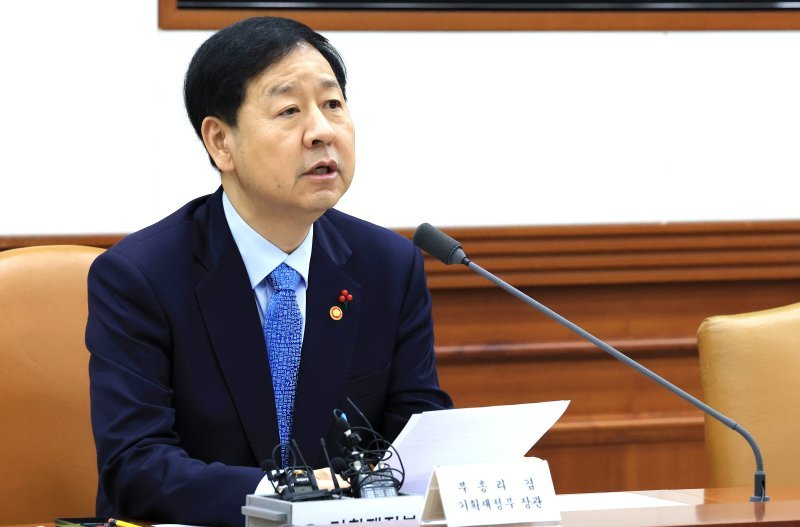
When prices surge, ordinary households are hit the hardest. With the cost of groceries soaring, people are forced to tighten their belts, making daily life more difficult. The government has stated its determination to manage prices as both the starting point and the end goal of stabilizing people’s livelihoods. All possible measures should be mobilized to prevent further price increases.
Overall price increases have been driven by agricultural, livestock, and fishery products. Mandarin oranges, a fruit mainly consumed in winter, soared by 26.5%, while apples, popular year-round, rose by 21%. Fruits such as watermelon and strawberry have not seen a price drop since August. Fish like largehead hairtail and mackerel jumped by more than 11–13%. Livestock products, including eggs (7.3%), domestic beef (4.6%), and pork (5.1%), followed a similar trend. The surge in grain prices is particularly striking: the rice price index soared by 18.7%, with brown rice (25.8%), Glutinous rice (34.2%), and pearl barley (33.1%) seeing especially large increases.
There are multiple factors behind the volatility in prices. While frequent autumn rains and other weather effects play a role, the impact of high exchange rates cannot be ignored. Petroleum products reached their highest prices in nine months, largely due to the exchange rate. Diesel rose by 10%, and gasoline by more than 5%. Although international oil prices have declined, the cost of crude oil imports reflects the exchange rate, resulting in significant increases in petroleum product prices. The prices of fruits, fish, and grains have also been pushed up by the exchange rate.
The reality that exchange rates are putting pressure on everyday life could intensify further. Some predict that the US Dollar–South Korean Won exchange rate could reach 1,600 won next year, signaling the arrival of a high-exchange-rate new normal. If this persists, not only will petroleum and imported agricultural and livestock product prices rise, but there will also be concerns about soaring prices for processed foods and dining out due to higher international raw material costs.
Proper management of exchange rates is urgently needed to stabilize prices. Rather than relying on artificial interventions to temporarily suppress the issue, the government must pursue fundamental foreign exchange measures by improving the economic structure.
Structural factors that keep agricultural and livestock product prices persistently high must also be examined. The inefficient and inflated distribution system has been criticized countless times, yet little has changed. Over the past two decades, agricultural distribution costs have ballooned to account for up to half of the total price. In the case of Napa cabbage and Korean radish, 70% of the consumer price is added during distribution.
For apples and other fruits, more than half of the price is also attributed to distribution costs. Although the government has repeatedly promised reforms, little progress has been made. Reducing distribution bubbles will benefit both farmers and consumers. Concrete solutions are needed to promote direct transactions and online wholesale markets.
The government must also refrain from reckless policies and legislation that could further fuel inflation. With local elections approaching next year, there is concern that indiscriminate populist policies will be introduced. So-called livelihood-oriented giveaways not only drain public finances but also drive up prices, ultimately harming the very people they aim to help. The government and political circles must approach this issue with a heightened sense of urgency.