Bitcoin Plunges 20% in a Month... Will Institutionalization Reduce Volatility? [Crypto Briefing]
- Input
- 2025-12-02 16:20:39
- Updated
- 2025-12-02 16:20:39
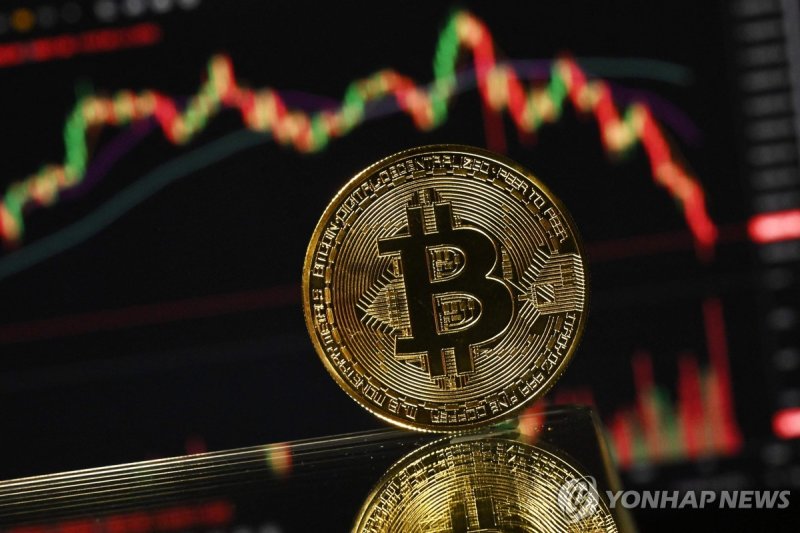
[Financial News] As Bitcoin (BTC) fell below the $100,000 mark and even the $80,000 level is under threat, the virtual asset market has entered a full-fledged correction phase. Experts predict that the new year will be a 'crypto adjustment period,' but anticipate a mild correction due to the influx of institutional funds and an increase in long-term holdings.
According to global financial information platform Investing.com on the 2nd, BTC has dropped more than 20% over the past month, hovering around $87,000. During the same period, Ethereum also plunged nearly 30%. This is attributed to heightened sensitivity to macroeconomic factors since November.
Hwang Shin-hae, a researcher at LS SECURITIES, noted, "The sluggishness in the virtual asset market, including BTC, continues. Due to policy uncertainty and major bulls selling, BTC has fallen about 30% since its early October peak." She added, "The increased selling pressure from companies considering virtual assets as part of their financial strategy is also a burden."
BTC, which has effectively entered a correction phase, will be affected by the halving event starting next year. The Bitcoin halving is an event that occurs approximately every four years, reducing mining rewards by half.
Hong Jin-hyun, a researcher at Samsung Securities, explained, "With about 95% of BTC mining completed, the concept of mining is weakening. However, the cyclical nature that shapes market sentiment remains intact, so it is reasonable to interpret this as a 'crypto big cycle.'"
However, some expect that next year's correction will be milder compared to previous years. After the approval of the BTC spot Exchange-Traded Fund (ETF) last year, the inflow of institutional funds has led to reduced price volatility and stronger downside rigidity.
Additionally, the growing proportion of long-term holders is limiting market circulation and easing short-term supply shocks. According to Samsung Securities, the share of long-term investors who have held BTC for more than four years reached a record high of 37.7%. The movement of whale wallets holding more than 1,000 BTC also remains limited.
Researcher Hong forecasted, "Considering that BTC prices have shown a strong correlation with Gold during corrections and with the U.S. stock market during rallies, BTC is likely to follow a trend similar to Gold rather than the U.S. stock market in the new year."
[email protected] Kim Mi-hee Reporter