Supreme Court of Korea Overturns Lower Court Ruling in KDB Tax Refund Lawsuit and Remands Case
- Input
- 2025-12-01 14:54:20
- Updated
- 2025-12-01 14:54:20
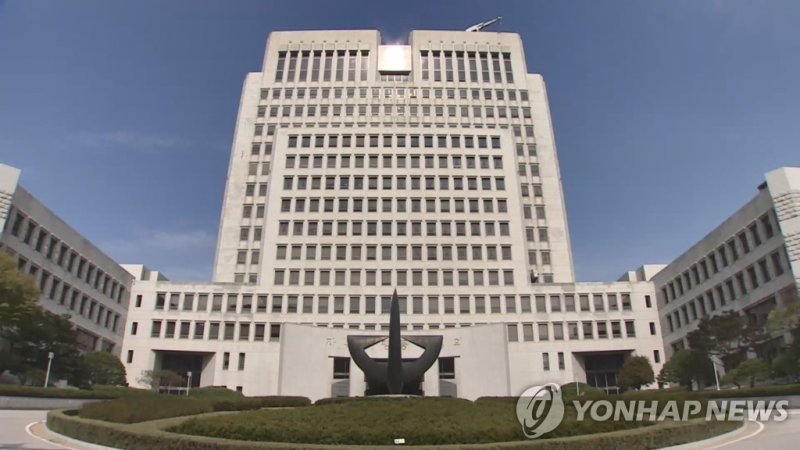
[Financial News] The Supreme Court of Korea has overturned a lower court ruling that ordered the return of taxes collected from Korea Development Bank (KDB) by the National Tax Service (NTS) and the Seoul Metropolitan Government for accounts under borrowed names. The Supreme Court of Korea stated that even if there were mistakes in the tax collection process, unless there was a clear and significant defect, the entire disposition could not be deemed invalid. The Court also emphasized that administrative remedies must be sought through an administrative lawsuit before pursuing a civil lawsuit.
According to the legal community on the 1st, the First Division of the Supreme Court of Korea, presided over by Justice Suh Kyung-hwan, last month overturned the lower court's ruling in favor of Korea Development Bank (KDB) in its lawsuit for the return of unjust enrichment against the Republic of Korea (NTS), the Seoul Metropolitan Government, and others, and remanded the case to the Seoul Central District Court.
Previously, the NTS found that some accounts opened by KDB were accounts under borrowed names as revealed by a prosecution investigation. The NTS then applied a high withholding tax rate of 90% to the interest income on those accounts and demanded additional payment of unpaid taxes and local income taxes.
According to Article 5 of the Act on Real Name Financial Transactions and Confidentiality, financial assets transacted without using the real name, i.e., non-real-name assets, are subject to a differentiated withholding tax rate of 90%.
KDB paid the taxes first and then filed a lawsuit, arguing that the tax authority's disposition was invalid. KDB claimed that the accounts in question were not 'non-real-name' accounts but simply 'accounts under borrowed names.' Accounts under borrowed names refer to accounts opened after real-name verification, where the account holder and the actual contributor of funds are different.
The lower court ruled, 'In the case of income tax on income not subject to withholding, the tax obligation cannot be considered to have arisen or been finalized, so the disposition in this case is automatically void.' The court held that if the state collected taxes on accounts not subject to the differentiated tax rate (non-real-name accounts), the state must return the money collected due to the wrongful disposition.
However, the Supreme Court of Korea reached a different conclusion. The Court stated that a tax disposition does not become void merely because it was erroneous; the illegality must be significant and obvious to anyone.
The Supreme Court of Korea held that unless the defect in the tax authority's action is substantial and clear, relief should be sought through an administrative lawsuit rather than a civil lawsuit for the return of unjust enrichment. The Court further explained, 'The lower court failed to examine whether the defect in the tax authority's determination to apply the high tax rate to the deposits was substantial and obvious, and instead concluded that unjust enrichment was established solely based on the payment of taxes.' The Court pointed out that this was a misinterpretation of the law and a failure to conduct the necessary review.
[email protected] Lee Hwan-joo Reporter