[Editorial] Lawmakers’ Overseas Junkets Funded by Taxpayer Money Must Be Stopped
- Input
- 2025-11-26 18:48:20
- Updated
- 2025-11-26 18:48:20
Despite public criticism, lawmakers’ overseas junkets have been repeated every year, wasting taxpayer money. While it is commendable to study advanced foreign systems and incorporate them into domestic policy, it has become a bad practice for lawmakers to use these trips as a pretext for sightseeing whenever the opportunity arises.
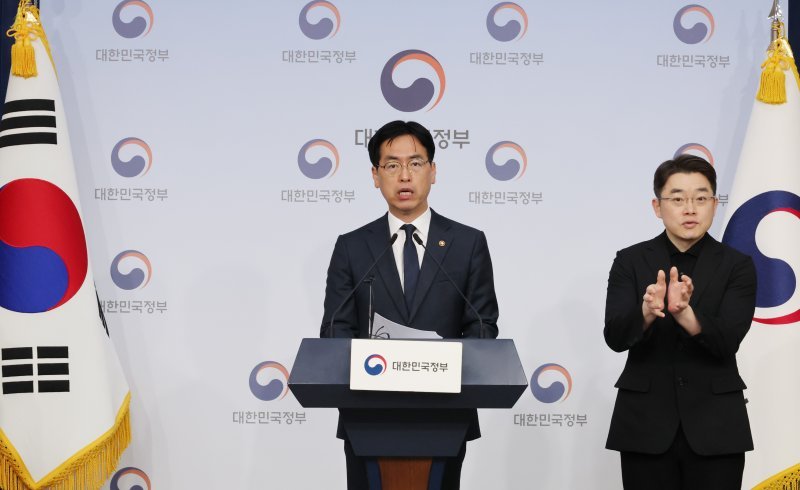
Last December, the Anti-Corruption and Civil Rights Commission (ACRC) released the results of its inspection of overseas trips by local councils, pointing out issues such as forged or altered airline tickets and inflated expenses. In response, MOIS significantly strengthened pre- and post-trip procedures this January, including mandatory pre-disclosure of travel plans and post-trip reviews. The measures announced today are a follow-up to those efforts.
According to the new measures, if a local councilor has less than one year remaining in their term, overseas trips will only be allowed in unavoidable cases such as official invitations from foreign governments, participation in international events, or the signing of sisterhood agreements. General overseas trips will only be permitted if they meet urgent requirements, and the council chair must disclose the approval review on the website to collect public feedback.
Although these measures are stricter than before, their effectiveness remains to be seen. Even with such procedures in place, enforcement has often been lax in practice. Because lawmakers hold positions of power, it has been difficult for local administrations to firmly block unnecessary overseas trips. MOIS has stated that it will request audits for violations and refer cases for investigation based on audit results. This time, bad practices must not be allowed to continue.
The problem of overseas junkets is not limited to local councilors. Members of Parliament (MPs) cannot claim to be free from such trips, and the same goes for civil servants and public institution employees. All are spending taxpayer money as if it were their own, wasting valuable foreign currency.
The issue with lawmakers’ or civil servants’ overseas trips is not only the waste of public funds. During these trips, they should closely observe foreign systems and practices that could benefit our country and use them to improve domestic policies. Instead, submitting fake study reports results in a double loss.
Ordinary citizens, when traveling abroad, often notice good procedures or administrative practices worth adopting. Lawmakers and public officials surely have the same awareness. There is no reason to oppose trips that genuinely aim to learn from other countries and reflect those lessons in policy. No expense should be spared for productive trips. While leisure trips must be blocked, productive ones should be actively encouraged.
However, when lawmakers and officials return from trips spent at tourist attractions or entertainment districts, taxpayers are left dumbfounded. The local elections are practically imminent. This year-end, lawmakers’ activities must be closely monitored and regulations strictly enforced so that clear rules for overseas trips are established.