[fn Editorial] Nurturing Scientific Talent Must Not End with Short-Lived, Superficial Measures
- Input
- 2025-11-09 18:43:29
- Updated
- 2025-11-09 18:43:29
In this era of technological supremacy, the loss of leading scholars in science and engineering to overseas institutions is a national setback. The outflow of talent can result in technology leaks and even outright theft. China has aggressively recruited domestic professors nearing retirement by offering exceptional terms. Major companies have also competed to scout development personnel near key industrial sites. Recently, even government-funded research institutes have reached out to researchers with recruitment emails.
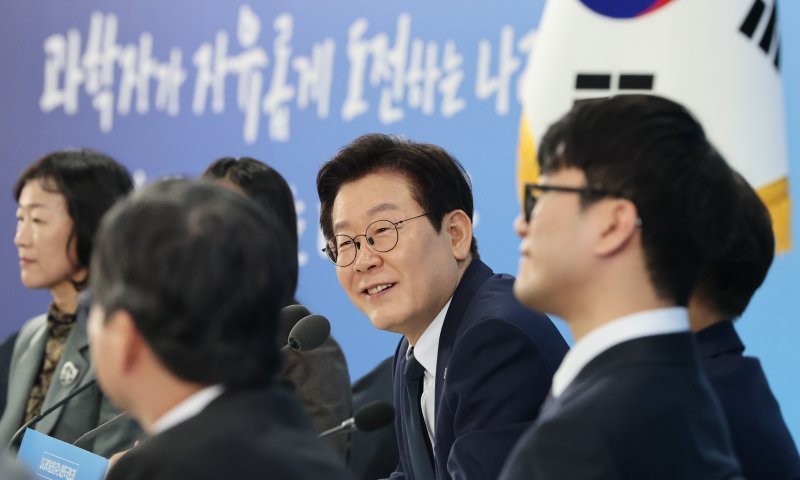
The government’s measures to nurture talent in science and engineering, as well as among scientists, are long overdue. Not only China, but the entire world is now fiercely competing to attract top-tier professionals. If Korea does not act quickly, it is inevitable that the country will fall behind in the era of Artificial Intelligence (AI). President Lee Jae-myung stated, "Nations that invested in and cared about scientific civilization have prospered, while those that belittled or ignored science and technology have perished." This is undeniably true.
In addition to launching the National Scientist of Korea program, the government has also proposed measures to support researchers throughout their entire careers. The percentage of science and engineering graduate students receiving scholarships will be raised from the current 1.3% to 10% by 2030. The number of universities offering monthly research stipends to graduate students will increase from 35 to 55. To address the culture of fearing failure, the government plans to abolish the rating system for R&D project evaluations and switch to qualitative assessments. Furthermore, the government announced plans to invest 1.2 trillion won by 2030 to attract 2,000 outstanding overseas researchers.
Given the delays, accelerating with innovative support measures is the best course of action. However, it remains questionable whether these steps alone will be enough to nurture the dreams of future scientific talent. Some have pointed out that the National Scientist of Korea program is merely a rehash of a policy from 20 years ago. The National Scholar Program, which ran for three years starting in 2005, aimed to foster Nobel Prize-level talent by providing up to 2 billion won annually, with a maximum of 20 billion won per star researcher. However, it ended without results after a change in administration. For the National Scientist of Korea program to succeed, it must be backed by detailed operational plans to ensure policy continuity. If the program changes with each administration, its authority and credibility will be undermined.
While the government has pledged to support scientists throughout their careers, these measures fall short of correcting the imbalance favoring medical schools. Above all, it is urgent to foster a social environment that values science and technology. Not only are exceptional incentives needed, but also a solid educational foundation to build a virtuous cycle in the scientific ecosystem.