[fn Editorial] Signs of Financial Soundness Risks: Proactive Risk Management Needed
- Input
- 2025-11-09 18:43:26
- Updated
- 2025-11-09 18:43:26
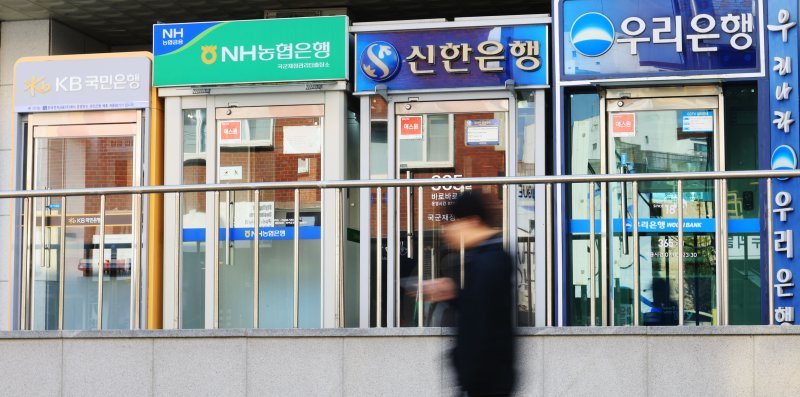
A report released on the 9th by Hyundai Research Institute (HRI), titled 'Assessment and Implications of Domestic and Global Financial Risks,' warns of this dual structure in Korea’s financial sector. As of the end of June this year, Real Estate Project Financing (PF) exposure classified as concerning or potentially non-performing stood at 20.8 trillion won, up 1.6 trillion won from the end of last year. The outstanding balance of mortgage loans reached 1,148 trillion won, marking a 5–6% year-on-year increase for seven consecutive quarters. As toxic PF loans and household debt, including mortgage loans, continue to rise, financial soundness will inevitably deteriorate. Financial institutions that have profited from high interest rates may soon face threats to their asset quality due to mounting bad debt.
It is true that the financial sector is making efforts to improve asset quality. Each financial holding company is setting aside substantial provisions and focusing on writing off non-performing loans. Nevertheless, there remain numerous factors that could undermine the asset soundness of financial institutions, which is cause for concern.
The root cause of declining financial soundness must be sought in the structural problems of Korea’s industries. Years of persistent low growth and high interest rates have driven vulnerable groups, such as self-employed individuals and SMEs, to the edge. With the domestic market in a slump and the competitiveness of small business owners weakening, overdue loan repayments are rising sharply. The troubling reality is that there is no guarantee this situation will improve anytime soon. Although an economic recovery is anticipated, its effects are not being felt across the real economy. As a result, the repayment capacity of vulnerable borrowers who have taken out bank loans is deteriorating further.
In fact, the household loan delinquency rate has already surpassed 1%, and the delinquency rate for loans to self-employed individuals is also on the rise. If the trend of increasing bad loans among high-risk sectors—such as marginal SMEs and vulnerable industries—continues, it will only further undermine financial soundness.
To make matters worse, the external financial environment remains highly unstable. In its report, HRI expressed concerns that a weakening global dollar, fiscal instability in Europe, and volatility in the Japanese yen could collectively heighten volatility in financial markets. Furthermore, amid ongoing trade tensions stemming from recent United States of America (USA) tariff policies, there are growing worries about surging exchange rates. A rising exchange rate could drive up import prices and further dampen the domestic economy. As external risks weigh on the domestic economy, the debt repayment capacity of both businesses and households will weaken. Ultimately, this could trigger a deterioration in the soundness of financial assets.
It is important to remember that financial crises often arrive without warning. The government and financial authorities must therefore engage in proactive and precise management of financial soundness risks. There is no need to emphasize that the financial sector itself must first strive to improve its own soundness.
A systematic debt restructuring program for vulnerable borrowers should be implemented, and the phased resolution of non-performing business sites must proceed without delay. Problems that could have been addressed early should not be allowed to escalate into full-blown crises. Only by strengthening proactive management and supervision of financial soundness can a crisis be averted.