[fn Editorial] Rapid Push for Raising the Mandatory Retirement Age Will Fuel Social Conflict and Confusion
- Input
- 2025-11-07 15:36:34
- Updated
- 2025-11-07 15:36:34
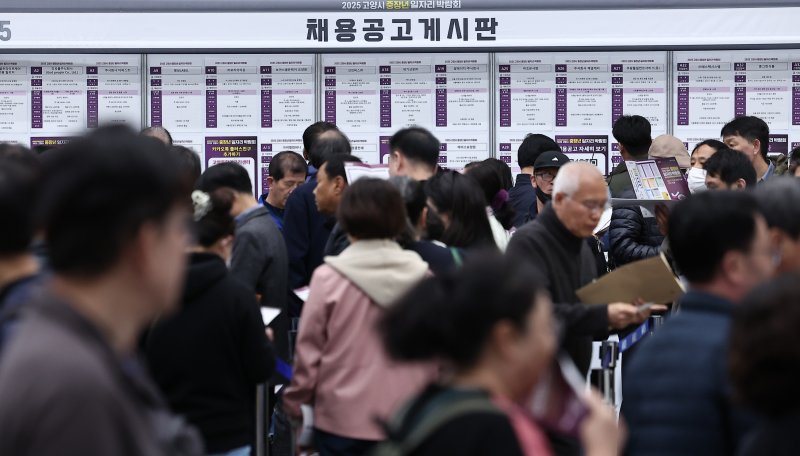
[Financial News] The debate over raising the current mandatory retirement age from 60 to 65 continues to divide the labor sector and management representatives. Although the Democratic Party of Korea (DPK) formed a related task force (TF) last April, there has been little progress for seven months. The labor sector insists on passing legislation within the year, while management representatives argue that a more measured approach is necessary due to potential side effects.
Raising the mandatory retirement age was one of President Lee Jae-myung’s campaign pledges. The plan is to align the legal retirement age with the National Pension Service (NPS) eligibility age, which will increase from 63 to 65 in 2033. Few would oppose the intent to reduce post-retirement income gaps in an aging society. However, for the policy to achieve its intended effect, thorough preparation for possible challenges during implementation is essential.
Above all, if the total number of jobs does not increase significantly, extending the retirement age could shrink new hiring. The number of employed young people aged 15 to 29 has already declined for 35 consecutive months since November 2022. The prolonged youth employment crisis could worsen if the retirement age is raised. According to the Bank of Korea (BOK), when the mandatory retirement age was previously raised to 60 without adjusting the wage system, every additional older worker resulted in a decrease of 0.4 to 1.5 young workers. Without supplementary measures to mitigate the impact on youth employment, intergenerational conflict may intensify.
The burden on companies is another major issue. Under the current seniority-based pay system, management representatives are concerned that extending the retirement age could sharply increase labor costs. Estimates from the business community suggest that raising the retirement age to 65 could push the annual cost of retaining older workers above 30 trillion won. It is necessary to consider reforms to the wage system that would allow for pay adjustments based on workplace size and conditions.
Other countries have eased such transitions through gradual adjustments. Japan, which entered a super-aged society earlier, raised its retirement age by one year every three years over a 12-year period. Flexible systems were also introduced, allowing companies to choose among extending the retirement age, abolishing it, or rehiring retirees, all through labor-management agreements. These measures helped absorb the shock of policy changes in stages.
The labor sector insists that discussions on raising the retirement age should be concluded before next year’s local elections. On the 6th, Chung Cheong-rae, leader of the Democratic Party of Korea, visited the Korean Confederation of Trade Unions (KCTU) and stated, “The plan to gradually raise the retirement age to 65 is largely reflected in national policy tasks.” However, a rapid push for such reforms, driven by political timetables, could heighten social confusion. It is important to remember that raising the retirement age affects not only the labor sector but also businesses and young people. Above all, it is crucial to develop a reasonable compromise that all stakeholders can accept.