[fn Editorial] Resolution of US-China Rare-Earth Dispute Brings Positive Winds to Korea’s Economy
- Input
- 2025-10-30 18:24:42
- Updated
- 2025-10-30 18:24:42
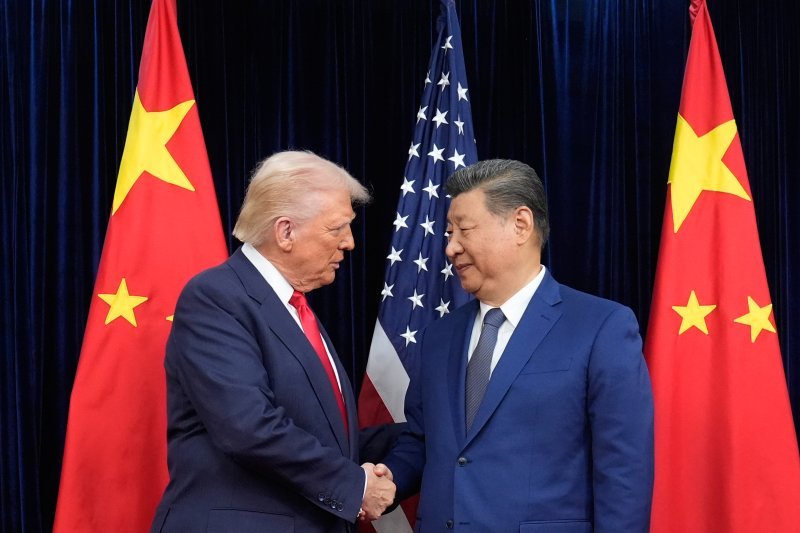
The trade dispute between the United States and China is not merely a bilateral issue. In particular, China's export controls on REE have previously been shown to cause significant harm to the Republic of Korea (ROK) economy. Although efforts have been made to diversify supply chains, if these controls had persisted, Korea would have suffered considerable losses. The resolution of this issue at the summit is therefore a welcome development.
The rivalry between these two global superpowers has both security and economic implications for the entire world. China is expected to strengthen its ties with the Russian Federation and the Democratic People's Republic of Korea (DPRK), while the United States will likely join forces with the ROK, Japan, and Europe. Such a new Cold War atmosphere heightens the risk of war or regional provocations and chills the global economy. The war between the Russian Federation and Ukraine, which has led to rising international oil and raw material prices and pushed the global economy into recession, is a prime example.
In this context, the intensification and prolongation of the extreme confrontation between the United States and China, which are closely linked to Korea both economically and in terms of security, is a cause for concern. The tariff dispute, which began with President Donald Trump’s 'America First' policy, has negatively affected the economies of major countries worldwide, including the ROK.
On the 29th, the Republic of Korea managed to overcome a critical moment through a dramatic agreement with the United States. However, the trajectory and outcome of the US-China dispute have been of great interest, and the mutual concessions made at this summit are clearly good news for Korea. Trade disputes between two equally powerful nations rarely end in a clear victory for either side. The relatively swift resolution of the dispute is expected to have a positive impact on Korea’s financial and stock markets, which are caught in the middle.
However, this confrontation is far from over. The United States has not lifted its restrictions on the export of advanced semiconductors to China, leaving open the possibility of renewed tensions at any time. Korea must closely monitor developments between the two countries and prioritize its national interests, pursuing wise and pragmatic diplomacy between them.
It is reported that the two leaders have agreed to make reciprocal visits at an appropriate time in the future. There is no faster or more effective way to minimize trade conflicts and resolve issues than direct meetings between heads of state. Such commitments to visit are desirable, as they foster a spirit of reconciliation not only between the two countries but also globally.
However, it appears that the summit did not address or discuss the issue of the DPRK's nuclear program. Neither side has provided any post-summit explanation on this matter. Among the countries capable of helping resolve the DPRK nuclear issue, China stands out as the most influential. Since the summit focused primarily on trade negotiations, it would have been difficult to address security concerns on the Korean Peninsula.
There will be further opportunities for discussion in the future. Just as President Lee Jae-myung has positioned himself as a 'pace maker,' Korea may take the initiative in raising the issue of the DPRK nuclear program and dialogue with the North. Korea should be prepared to take proactive steps whenever the opportunity arises.