The Temptation of a 'Single Injection' and the Challenges That Remain: The Next Decade for Anti-Obesity Drugs
- Input
- 2025-10-28 15:01:33
- Updated
- 2025-10-28 15:01:33
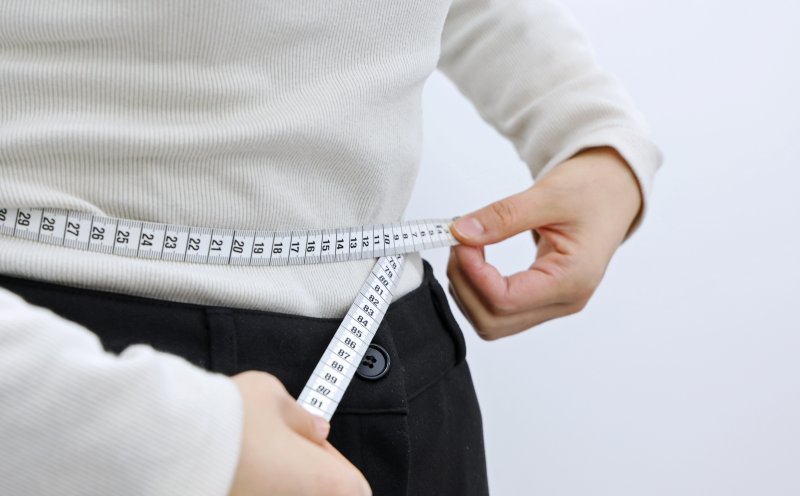
[Financial News] The allure of a 'single injection' is strong, but concerns over adverse reactions and weight regain continue to cast a shadow. To maintain a healthy era of booming Anti-Obesity Drugs over the next decade, experts emphasize that the industry should mitigate side effects and consumers should exercise caution against reckless use.
Overcoming the Limits of Side Effects: Acceleration of Next-Generation Therapies
According to the Ministry of Food and Drug Safety and related industries on the 28th, Glucagon-like peptide-1 (GLP-1) anti-obesity injectable drugs are prescription medications for adults with an initial body mass index (BMI) of 30 kg/m2 or higher, or for overweight adults with a BMI between 27 and 30 kg/m2 who have at least one weight-related comorbidity such as hypertension.Clinical trial results from the Ministry of Food and Drug Safety show that even within approved indications, gastrointestinal adverse reactions such as nausea, vomiting, diarrhea, and constipation, as well as injection site reactions like rash, pain, and swelling, may occur. Other possible side effects include hypersensitivity, hypoglycemia, acute pancreatitis, cholelithiasis, and fluid depletion. Relying solely on medication without physical activity and dietary management can also lead to inevitable muscle loss.
To address these limitations, next-generation therapies that overcome the shortcomings of existing Anti-Obesity Drugs are emerging. Hanmi Pharmaceutical recently announced interim results from a phase 3 clinical trial of its GLP-1 anti-obesity drug, efpeglenatide, confirming a favorable safety profile.
After 40 weeks of efpeglenatide administration, 49.46% of subjects (compared to 6.52% for placebo) lost more than 10% of their body weight, and 19.86% (compared to 2.90% for placebo) lost more than 15%. The incidence of adverse events such as vomiting, nausea, and diarrhea was significantly lower than with existing treatments. Hanmi Pharmaceutical plans to apply for approval of efpeglenatide within the year and aims for a commercial launch in the second half of next year.
Hanmi Pharmaceutical has also recently submitted an Investigational New Drug (IND) application to the U.S. Food and Drug Administration (FDA) for a phase 1 clinical trial of its next-generation anti-obesity drug, HM17321. This new drug is being developed to achieve what was previously considered impossible: simultaneous muscle mass increase and selective fat reduction.
Medication Alone Is Not Enough: Effort and Exercise Are Essential
However, anti-obesity drugs are far from a panacea. For some patient groups, anxiety over weight regain after treatment can manifest as psychological issues. In various online communities focused on beauty, dieting, and wedding preparations, users who have tried anti-obesity drugs frequently post comments such as, 'I wasn't hungry while on the injections, but after stopping, my hunger returned with a vengeance,' and 'I'm afraid of regaining all the weight I lost.'Experts advise that true obesity treatment can only be achieved when healthy eating habits and regular exercise accompany the use of anti-obesity drugs.
Kang Jaeheon, a professor of family medicine at Kangbuk Samsung Hospital and former president of the Korean Society for the Study of Obesity (KSSO), stated, "Anti-Obesity Drugs can indeed help prevent many chronic diseases, but as prescription medications, they require careful monitoring by physicians for both efficacy and side effects. However, remote prescriptions and insufficient management remain issues. Regulatory oversight and monitoring by authorities are necessary."
He further emphasized, "No matter how powerful a drug may be, relying solely on medication will inevitably lead to side effects. Balanced nutrition and regular exercise are the most effective treatments, so medication should only serve as a supplementary measure."
Meanwhile, the Ministry of Health and Welfare recently announced that, in response to the increasing misuse of anti-obesity drugs for cosmetic purposes rather than for treating diabetes or severe obesity, it will work with the Ministry of Food and Drug Safety to designate these drugs as 'medications at risk of abuse' and strengthen their management.
[email protected] Choi Hye-rim Reporter