Hyundai Motor Company Namyang Research Center Test Driver Subcontractor... Supreme Court Rules 'Illegal Dispatch'
- Input
- 2025-10-27 11:11:34
- Updated
- 2025-10-27 11:11:34
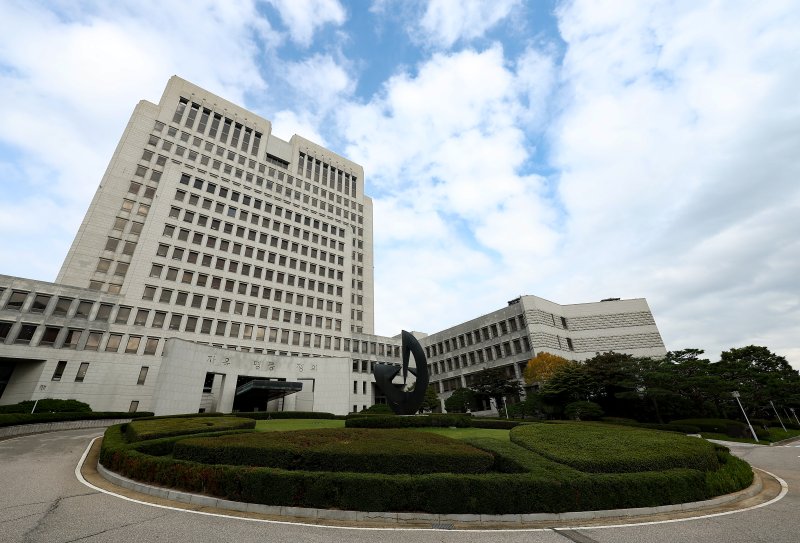
[Financial News] The Supreme Court of Korea has ruled that workers employed by subcontractors responsible for prototype vehicle driving tests at Hyundai Namyang Research Center were, in fact, illegally dispatched.
On the 27th, the Supreme Court’s second division, presided over by Justice Eom Sang-pil, upheld a lower court ruling that partially favored the plaintiffs in a lawsuit filed by A and 15 others seeking confirmation of their employment status against Hyundai Motor Company.
A and other workers, employed by Hyundai Motor Company subcontractors, were responsible for durability driving tests of commercial prototype vehicles such as trucks and buses at the Hyundai Namyang Research Center. When Hyundai Motor Company issued an order for a durability test, the subcontractor’s team leader would assign drivers and determine daily driving distances. The workers recorded their driving logs and submitted them to the team leader, who then compiled a status report and submitted it to Hyundai Motor Company.
Since 1997, Hyundai Motor Company has contracted out vehicle testing, maintenance, and inspection work through service contracts, with the subcontractors changing several times. When a subcontractor was replaced, A and the other workers continued their work through employment succession.
In 2017, A and others filed a lawsuit, claiming that Hyundai Motor Company had illegally dispatched them in violation of the Act on the Protection, etc. of Temporary Agency Workers, which prohibits the use of dispatched workers in manufacturing processes.
Both the first and second trials found that Hyundai Motor Company exercised significant direction and supervision over the workers, ruling in favor of the plaintiffs.
The first trial stated, "The plaintiffs repeatedly performed durability driving tests according to the schedules and sequences set by Hyundai Motor Company and followed the driving modes specified by Hyundai Motor Company," adding, "For the plaintiffs, there was no practical difference from receiving direct instructions from Hyundai Motor Company regarding workload, methods, order, location, and working hours."
The court further explained, "During the process of conducting durability driving tests, the subcontractors had almost no discretion, and refusal was virtually not allowed. The subcontractors did not maintain separate business sites or offices and lacked independent organizational structures or facilities."
The appellate court also noted, "If a worker is substantially incorporated into the principal’s business, the provision of labor under the principal’s direction can be deemed to establish a subordinate relationship, subject to the principal’s command and supervision."
Although Hyundai Motor Company appealed the decision, the Supreme Court found no error in the lower court’s judgment and dismissed the appeal.
[email protected] Seo Min-ji Reporter