"China to Delay Rare Earth Export Controls for One Year"... Bessent: "Trump to Withdraw Additional Tariffs"
- Input
- 2025-10-27 02:45:30
- Updated
- 2025-10-27 02:45:30
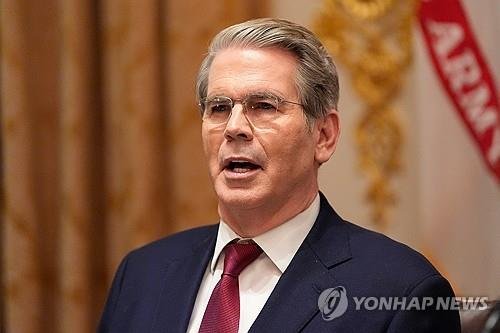
It is interpreted that the United States and China have effectively reached an agreement to ease their trade dispute and extend the truce during two days of negotiations held in Malaysia.
Li Chenggang, Vice Minister of Commerce of China, also told reporters that "both sides have reached a preliminary agreement on possible solutions to the issues that have shaken relations between the world’s two largest economies."
In interviews with ABC and NBC on the 26th (local time), Bessent stated, "The additional 100% tariff increase on Chinese products that President Donald Trump had announced for this week has effectively been withdrawn," adding, "Both sides had a very productive two days."
He further noted, "As China has agreed to reconsider the implementation of REE export controls, global supply chain concerns are expected to ease."
This agreement was reached during negotiations in Malaysia ahead of a summit between President Trump and President Xi Jinping. A senior U.S. official told the Financial Times (FT), "China’s delay in REE controls is a result of the U.S. threat of additional tariffs and pressure from countries dependent on rare earth elements."
It is reported that both countries have agreed to further extend the trade truce, which was originally set to expire on November 10. One U.S. official said, "This extension will last longer than the previous 90 days and will bring stability to both the global economy and U.S.-China relations."
The United States had strongly opposed China’s REE control policy, stating it would cause severe supply disruptions across the fighter jet, smartphone, and electric vehicle industries.
Another U.S. government official explained, "President Trump sent a clear message that REE restrictions would not be tolerated, which led China to soften its stance." He added, "The European Union (EU) considering retaliatory measures against China was also a significant source of pressure."
During these negotiations, China also pledged to resume imports of U.S. soybeans. A U.S. official stated, "China has agreed to stop using soybeans as a 'pawn' in the trade war."
Meanwhile, Bessent mentioned that President Trump is likely to visit China in early 2026, while President Xi Jinping may visit the United States at the end of next year.
[email protected] Lee Byung-chul Reporter