[fn Editorial] For U.S.–North Korea Dialogue, Substance Matters More Than Symbolism
- Input
- 2025-10-26 18:45:44
- Updated
- 2025-10-26 18:45:44
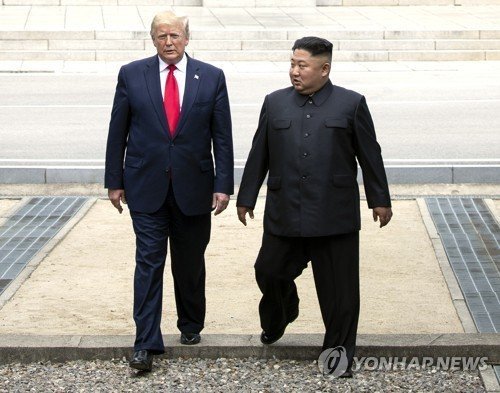
From our perspective, expectations for a U.S.–North Korea summit are understandably high. Easing tensions on the Korean Peninsula has profound implications not only for security but also for the economy. Simply opening the door to dialogue and fostering a mood of peace is significant in itself. Especially given the recent deterioration in inter-Korean relations, the resumption of U.S.–North Korea talks could bring about positive changes to the situation on the Korean Peninsula.
However, the concern is that this could once again become a mere formality. Historically, it has been difficult to achieve tangible results from U.S.–North Korea summits hastily arranged ahead of APEC. Nevertheless, as the APEC summit approaches, President Trump appears to be actively promoting the prospect of renewed talks. There are doubts about whether this meeting will yield any meaningful outcomes.
Moreover, we must reflect on lessons from the past. Trump and Kim Jong Un have already met three times, yet no substantial achievements have been realized. The 2018 North Korea–United States Singapore Summit, the 2019 North Korea–United States Hanoi Summit, and the Panmunjom meeting all garnered global attention. However, there was no concrete progress toward denuclearization. In fact, some argue that these meetings merely bought time for the DPRK to complete its nuclear armament. During this period, the DPRK further advanced its nuclear and missile capabilities, and the security environment on the Korean Peninsula has grown increasingly tense.
What is even more concerning is that this time, President Trump has made positive remarks regarding the DPRK's possession of nuclear weapons. His comments, such as "North Korea possesses many nuclear weapons," may not amount to official recognition of the DPRK as a nuclear state, but they certainly send a dangerous signal. Such statements effectively shift the atmosphere toward acknowledging the DPRK as a nuclear-armed state. Regardless of whether a U.S.–North Korea meeting takes place during the summit, the DPRK has already gained significant leverage from these remarks.
If U.S.–North Korea dialogue once again amounts to nothing more than a symbolic encounter, what meaning does it hold for us? It would serve merely as propaganda for the DPRK regime and as a diplomatic achievement for Trump, while the truly important discussions are sidelined. Ultimately, this would only dilute the objective of denuclearizing the DPRK. Now is not the time to be swept up in speculation or place undue hope on the possibility of renewed talks. What we seek are verifiable denuclearization measures and genuine progress toward peace on the Korean Peninsula.