Is It Illegal for a Dentist to Prescribe Hair Loss Medication for Themselves?
- Input
- 2025-10-26 12:58:13
- Updated
- 2025-10-26 12:58:13
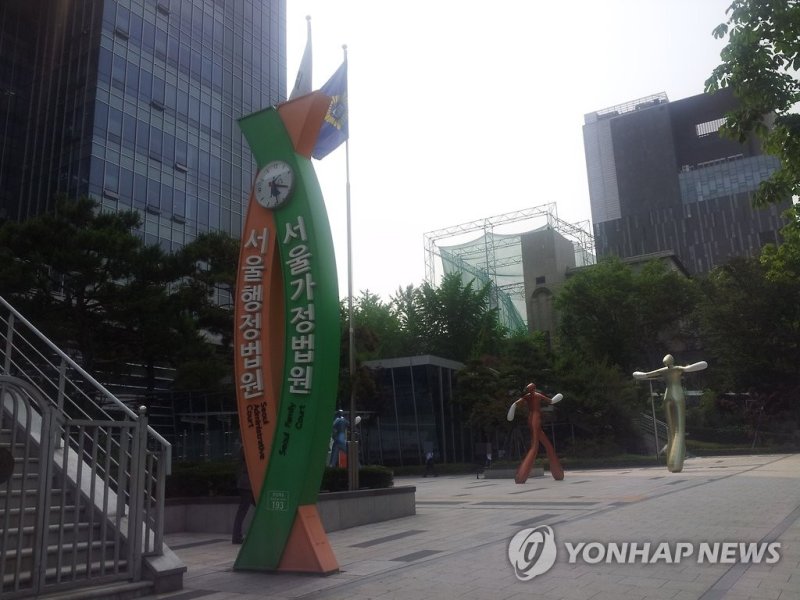
A court has ruled that suspending the license of a dentist for prescribing and taking hair loss medication for themselves on the grounds of 'unauthorized medical practice' is unjustified. The court reasoned that medical procedures performed on oneself, which do not pose risks to the life or body of others, fall within the personal domain and are not subject to regulation.
According to the legal community on the 26th, the Seoul Administrative Court's 6th Administrative Division, presided over by Najin Lee, ruled in favor of the plaintiff in August in a lawsuit filed by a dentist, identified as A, against the Ministry of Health and Welfare, seeking to overturn the suspension of their medical license.
From February to April 2021, A ordered and took a prescription Soft Capsule for Hair Loss, commonly referred to as a hair loss treatment. In September last year, the Ministry of Health and Welfare imposed a one-month and fifteen-day license suspension, citing Article 27, Paragraph 1 of the Medical Service Act, which states that no one other than a licensed medical professional may perform medical practices, and even licensed professionals may not perform practices outside their authorized scope.
A subsequently filed an administrative lawsuit seeking to overturn the suspension. The dentist argued that purchasing and self-administering the medication did not constitute unauthorized medical practice. The court accepted this argument and found the Ministry's action unlawful.
The court stated, "The purpose of regulating unauthorized medical practices is to prevent risks to the life or body of others or to general public health." It determined that A's actions fell within a personal domain with little relevance to risks to others.
Furthermore, the court noted, "Patients have the right, under the Constitution, to decide for themselves how to maintain the functions of their life and body, and to choose medical procedures accordingly. There is no specific basis to exclude the right of a patient to perform medical procedures on themselves without the involvement of a medical professional."
Additionally, the court found that neither the Medical Service Act nor any related laws provide grounds for suspending a dentist's license for such actions, and there was no evidence that A had prescribed or administered hair loss medication to others.
The Ministry of Health and Welfare argued that A's actions also constituted 'unauthorized medical practice,' citing a Supreme Court of Korea precedent that considered a doctor's self-administration of narcotics as a medical practice. However, the court rejected this, stating, "That Supreme Court precedent concerned narcotics, which are subject to special regulations that penalize self-administration, making it a different case from the present matter."
[email protected] Choi Eun-sol Reporter