[fn Editorial] Margin Loans Surpass 24 Trillion Won: Examining the Factors Undermining Stock Market Health
- Input
- 2025-10-22 18:38:48
- Updated
- 2025-10-22 18:38:48
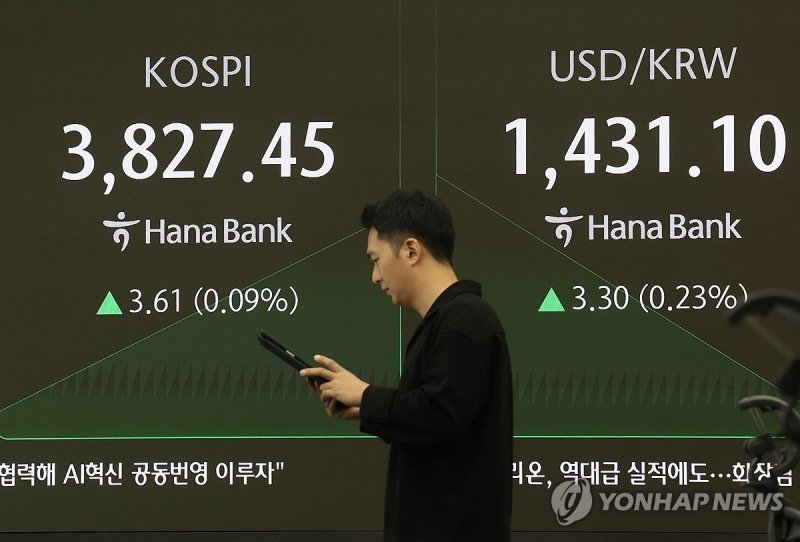
A bull run in the stock market is certainly beneficial for both companies and individual investors. When corporate value is properly recognized and investors earn reasonable returns, the capital market fulfills its core function. Yet, current market conditions have sparked debates about whether we have reached a 'peak.' Furthermore, even Gold, considered a safe asset, plummeted by over 6% in a single day—its largest drop in 12 years. While it is impossible to predict the market’s future based on a few indicators, one thing is clear: excessive blind faith in the market is dangerous.
A healthy market must be grounded in improved corporate performance. Stock price increases without earnings are like castles built on sand. Sharp rises unsupported by fundamentals are bound to face corrections. While the current rally may reflect the true value of domestic companies, a widespread atmosphere of investing with excessive borrowing should be seen as a serious red flag. Overleveraging is speculation, not investment. Leverage amplifies gains in a bull market but exponentially increases losses during downturns—a fact investors must not forget.
There have been multiple instances where debt-fueled investments have led to significant losses for investors. When the market enters a correction phase, many individual investors suffer substantial losses. Despite repeated warnings from financial authorities about excessive leveraged investment, investor enthusiasm remains unabated, which is deeply concerning. This suggests that market participants are underestimating the risks.
Regret is meaningless after the market collapses and individual investors incur large-scale losses. Investment decisions are personal, and so is the responsibility. Investors must break away from blind investment and regain rational judgment. They should clearly understand their investment principles and risk tolerance. Financial authorities must issue stronger warnings and implement effective measures to actively manage the market. It is time to consider actions such as reducing margin loan limits, strengthening oversight of high-risk investors, and enhancing financial education for both young and elderly investors.
Healthy growth in the stock market is not about short-term surges but about sustainable gains. Bubbles created by debt will inevitably burst. While introducing various policies to enhance market value is important, fostering a culture of prudent investment among market participants is even more crucial.