Even if Real Estate Registration Is Canceled, If the Act of Contribution Is Valid... Supreme Court: "No Need to Pay Past Usage Fees"
- Input
- 2025-10-22 11:51:54
- Updated
- 2025-10-22 11:51:54
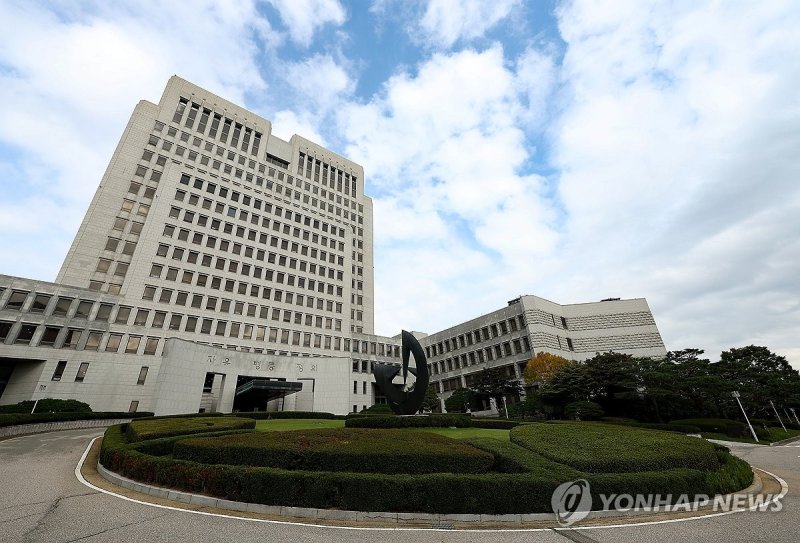
[Financial News] The Supreme Court of Korea has ruled that if a company contributed real estate to a foundation and completed registration, but the registration was later canceled, the foundation cannot be considered to have used the building unjustly. The court clarified that as long as the act of contribution remains valid, the foundation is entitled to possess and use the property, even if the registration is denied.
According to the legal community on the 22nd, the Supreme Court of Korea’s First Division, presided over by Justice No Tae-ak, upheld the lower court’s decision to dismiss the claim for restitution of unjust enrichment filed by the bankruptcy trustee of A Corporation against B Foundation.
A Corporation purchased business land within Digital Media City (DMC) from the Seoul Metropolitan Government and established a research complex. In 2008, it contributed the eighth floor of the building and cash to B Foundation, and the following year, completed the transfer of ownership registration.
In 2010, A Corporation was declared bankrupt. The bankruptcy trustee filed a lawsuit to deny B Foundation’s registration and partially prevailed, resulting in the cancellation of the foundation’s registration.
Based on the outcome of this lawsuit, the bankruptcy trustee argued that B Foundation unjustly possessed and used the property from 2009 to 2018 and filed a lawsuit seeking restitution of unjust enrichment. The trustee claimed that the act of contribution was extinguished along with the denial of registration.
The key issue was whether B Foundation could be considered to have unjustly possessed and used the property even if only the registration was denied.
The first trial ruled in favor of B Foundation. The court stated, "As a result of the related litigation, only the act of transferring ownership registration was denied, not the act of contribution itself," and added, "As long as the act of contribution is valid, the foundation has the right to possess and use the property."
The court further explained, "Restoration to the original state due to the exercise of the right to deny the transfer of ownership registration means returning to the state before the registration, not to a state where the act of contribution never existed."
The appellate court and the Supreme Court of Korea reached the same conclusion. The Supreme Court of Korea noted, "Even if the transfer of ownership registration is not completed, once the land is delivered as a result of fulfilling the sales contract, the buyer has the right to possess and use it by virtue of the contract. The seller cannot claim restitution of unjust enrichment simply because the buyer’s possession and use lack a legal basis."
The court added, "This legal principle equally applies when a foundation, having received real estate through an act of contribution, lawfully possesses and uses the property, even if the registration is later denied and the transfer of ownership registration is canceled as a result."
[email protected] Seo Min-ji Reporter