From Bibimbap to Gimbap: The Evolution of K-food Confirmed by Big Data
- Input
- 2025-10-20 13:34:53
- Updated
- 2025-10-20 13:34:53
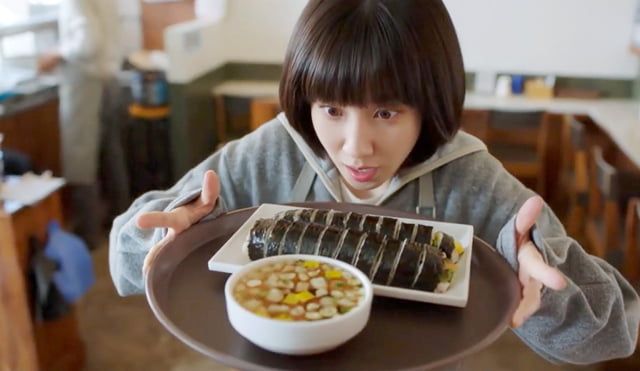
In the past, traditional Korean dishes such as kimchi, bulgogi, and bibimbap were especially popular among foreigners. Recently, however, everyday Korean foods like ramyun, gimbap, and street snacks have been drawing greater attention.
According to data released on the 20th by the Korea Tourism Data Lab, operated by the Korea Tourism Organization (KTO), an analysis of foreign credit card spending from 2018 to July of this year showed that the menu items with the highest average annual growth rates were ice cream (35.0%), convenience store foods (34.0%), and waffles/croffles (25.5%).
A summary of spending data from January to July this year revealed that cafes (8.9 million transactions), bakeries (3 million), and hamburger shops (2.3 million) topped the list. This indicates that hamburgers, bread, and coffee are also familiar choices for foreign visitors.
Additionally, 'Korean-style variations' such as limited editions, collaboration products, and regional specialty toppings are providing new culinary experiences. Among the top 10 brands for hamburger purchases, six were domestic franchises, while global brands also attracted foreign customers with exclusive menu items and unique store concepts available only in Korea.
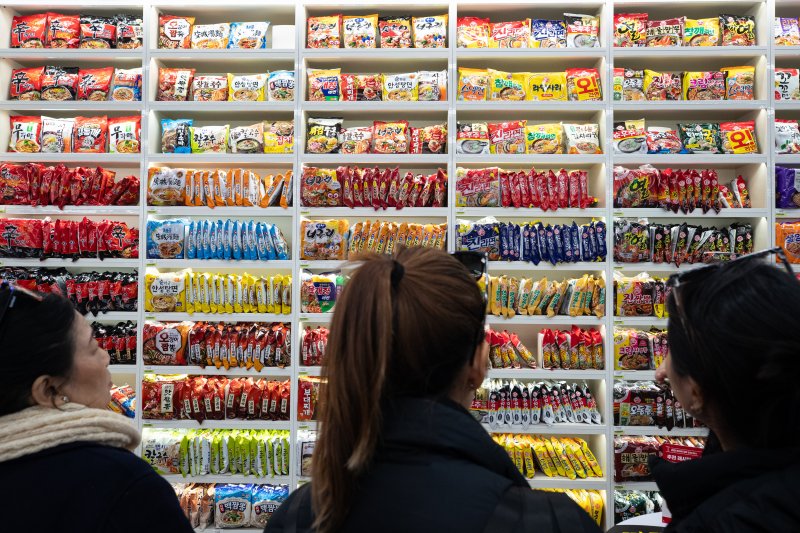
Convenience stores are also evolving. No longer just easily accessible locations, they are now seen as places to enjoy a variety of foods such as ramyun, coffee, and snacks. Among K-food businesses, convenience stores recorded the highest number of transactions, with approximately 13 million.
While these foods are considered everyday meals by Koreans, for many foreigners they are perceived as a 'special meal' not easily found in their home countries. Notably, noodles and dumplings (up 55.2%) and pork bone soup (up 44.0%) showed significant year-on-year growth, and there was also a marked increase in the consumption of traditional snacks like rice cakes and hangwa.
Mi-Sook Lee, head of the Tourism Data Strategy Team at KTO, stated, “As the latest trends are shared in real time around the world, the everyday life of Koreans is spreading as a new experience for foreigners. KTO plans to proactively capture these changes and actively reflect them in tourism policies and inbound marketing strategies.”
jsm64@fnnews.com Jung Soon-min Reporter