Union Member Retracts Resignation Citing Impaired Mental State... Court Rules It Was Voluntary
- Input
- 2025-10-20 10:07:49
- Updated
- 2025-10-20 10:07:49
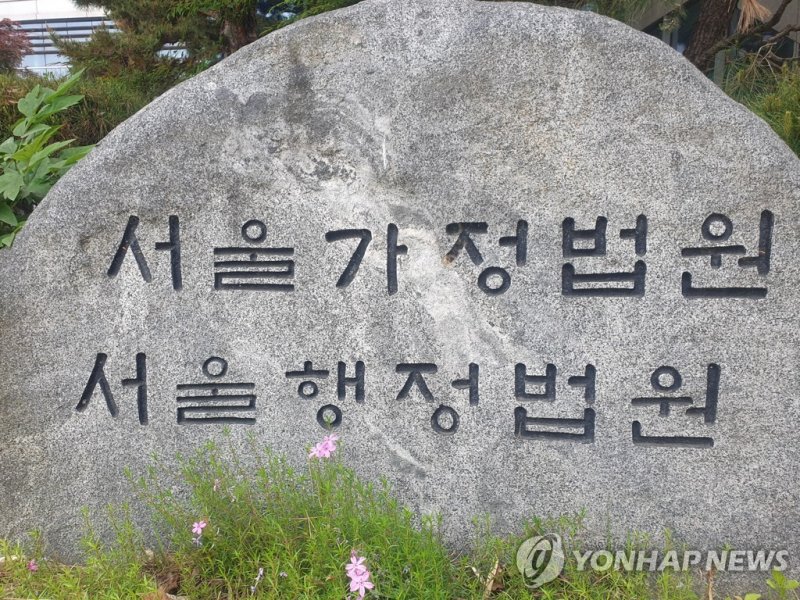
[Financial News] The court has ruled that a veteran employee who attempted to retract their resignation, claiming to have been in a diminished mental and physical state, had in fact resigned voluntarily.
According to legal sources on the 20th, the 12th Administrative Division of the Seoul Administrative Court, presided over by Kang Jae-won, ruled against Mr. A, an employee of a cooperative, in a lawsuit seeking to overturn the National Labor Relations Commission's decision to dismiss his claim of unfair dismissal.
Mr. A, who joined the cooperative in 1989, was transferred to Branch B in January last year. The day after his first day at the new branch, he was admitted to the emergency room and subsequently took ten days of leave. Upon returning to work, he met the branch manager and submitted a handwritten letter of resignation within 20 minutes. The resignation was forwarded to the headquarters, and the cooperative processed his departure the following day based on this letter.
However, about three hours after submitting the letter, Mr. A told the branch manager that he was not in a sound state of mind, withdrew his resignation, and requested a leave of absence. He later filed a petition with the Gyeongnam Regional Labor Relations Commission, claiming the cooperative had unilaterally terminated his employment and that he had been unfairly dismissed. The petition was dismissed on the grounds that no dismissal had occurred. The National Labor Relations Commission upheld this decision on appeal.
Dissatisfied, Mr. A filed an administrative lawsuit to overturn the National Labor Relations Commission’s decision, but the court’s judgment remained unchanged.
Mr. A argued that he was subjected to unfair transfer and severe stress due to continuous harassment from the cooperative president, which led to his admission to the emergency room. He claimed that after being pressured by the branch manager to return to work, he submitted his resignation in a state of anxiety and impaired mental and physical condition.
However, the court found that the employment relationship between Mr. A and the cooperative ended when the resignation was accepted, and concluded that the cooperative did not dismiss him.
The court also determined that there was insufficient objective evidence to prove Mr. A was in a diminished mental and physical state when he submitted his resignation. Furthermore, based on phone calls and messages exchanged with the HR manager and branch manager, the court found it difficult to regard his statements as a clear withdrawal of resignation. The court did not accept Mr. A’s claim that he withdrew his resignation around lunchtime on the day it was submitted. In fact, records show that Mr. A communicated with the HR manager about a medical certificate and unemployment benefits around that time.
Mr. A also claimed that a few days after submitting his resignation, his husband met the branch manager to explain his condition and that the branch manager agreed to cancel the resignation. However, this claim was not accepted either. The court noted that since the HR manager notified Mr. A by phone the next day about the processing of his resignation, it should be considered that the resignation had been accepted.
[email protected] Choi Eun-sol Reporter